
Eggs are a staple ingredient in many diets around the world, known for their versatility, protein content, and richness in flavor. However, for individuals prone to acid reflux, dietary choices can significantly impact comfort and health. A common question arises: do eggs cause acid reflux?
This article delves into the relationship between eggs and acid reflux. You will learn how eggs affect this condition, explore the types of eggs that may be better or worse for reflux, and find practical advice on incorporating eggs into your diet without triggering symptoms.
Do Eggs Cause Acid Reflux?
Eggs themselves do not inherently cause acid reflux for everyone. However, certain individuals may experience discomfort after consuming eggs, particularly if prepared with high-fat ingredients or in large quantities. Understanding the intricacies of how eggs can affect your body is crucial for managing acid reflux effectively.
What is Acid Reflux?
Acid reflux occurs when stomach acids flow back into the esophagus, leading to symptoms like heartburn, regurgitation, and discomfort. This condition can be exacerbated by various factors, including dietary choices, lifestyle habits, and specific food sensitivities.
Why Do Some People Experience Acid Reflux After Eating Eggs?
While eggs are packed with nutrients, they can trigger acid reflux in some individuals for a few reasons:
- Fat Content: Eggs contain fat, and high-fat foods can relax the lower esophageal sphincter, allowing acid to escape the stomach.
- Cooking Methods: How eggs are prepared can influence their effect. Fried or creamy dishes may be more problematic than boiled or poached eggs.
- Individual Sensitivity: Some people may have a specific intolerance to eggs or an allergy that manifests with reflux symptoms.
Types of Eggs and Their Impact on Acid Reflux
Not all eggs are created equal when it comes to acid reflux. Let’s examine various types of egg preparations and their potential effects:
Boiled Eggs
Boiled eggs are typically lower in fat compared to fried variations, making them a safer choice for those with acid reflux. By avoiding any added fats during the cooking process, you reduce the chance of triggering symptoms.
Scrambled Eggs
Scrambled eggs can still be a good option. However, they are often cooked with butter or cream, which may increase fat content. Using a non-stick pan with minimal oil or butter can help make scrambled eggs a more reflux-friendly choice.
Fried Eggs
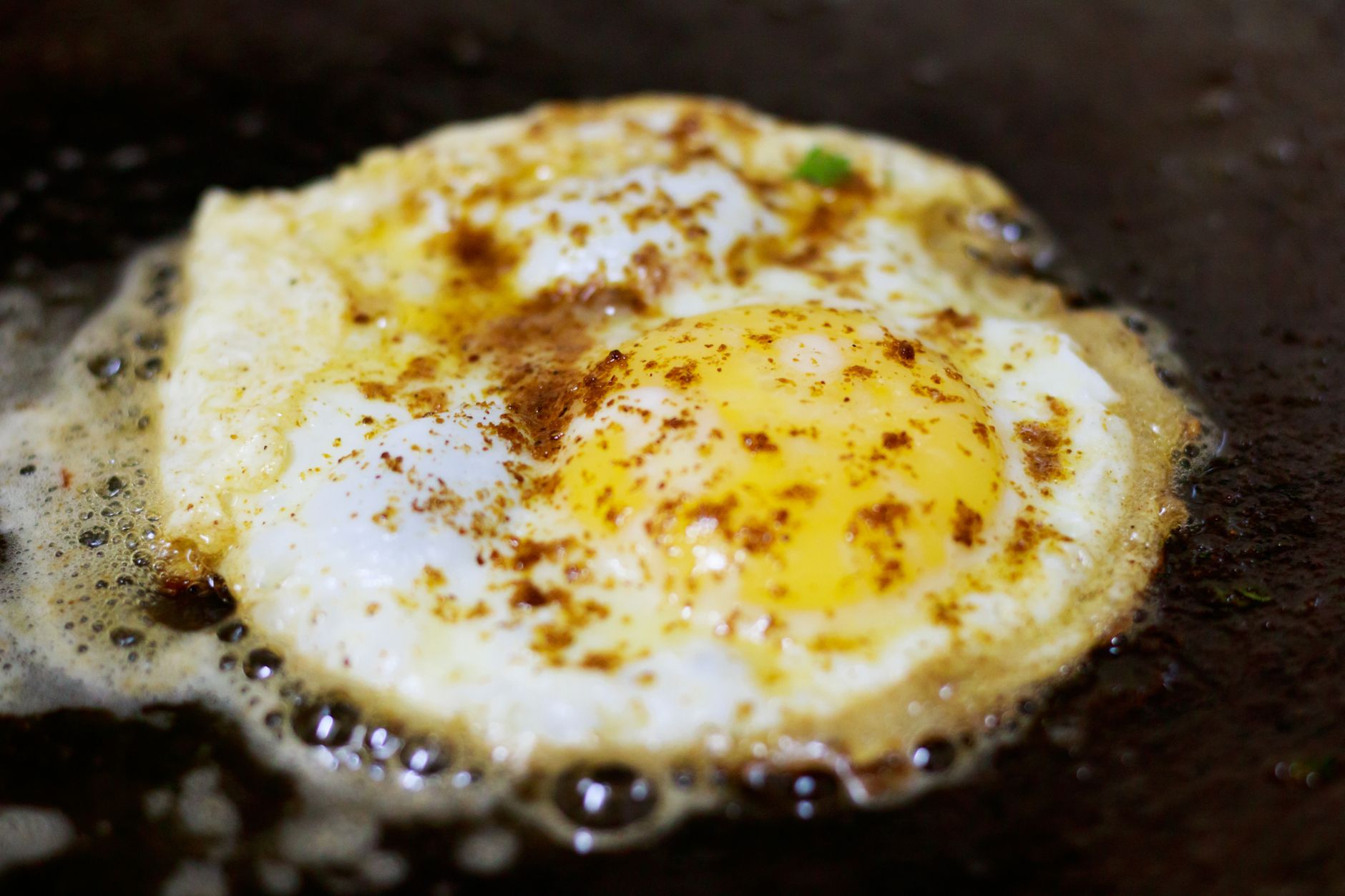
Fried eggs are usually higher in fats, especially if cooked in oil or butter, which may lead to an increased risk of reflux. If you enjoy fried eggs, consider using healthier oils like olive oil and keeping the portion small.
Omelets
Omelets can vary significantly depending on their fillings. Ingredients like cheese, high-fat meats, and creamy sauces can be problematic. Opt for vegetables and lean proteins to keep your omelet more stomach-friendly.
How to Incorporate Eggs into a Low-Acid Diet
To enjoy the benefits of eggs while managing acid reflux, consider the following strategies:
Opt for Low-Fat Cooking Methods
Choosing cooking methods that do not add excessive fat is crucial for minimizing the risk of reflux. Here are some healthier cooking techniques:
- Poaching: Poached eggs are cooked in simmering water, making them tender and maintaining their nutritional benefits without added fats.
- Baking: Baking eggs in a muffin tin or casserole can create delicious and healthy dishes without the need for heavy oils or fats.
- Steaming: Steaming eggs in a double boiler can produce fluffy, light textures without excess calories.
Use Reflux-Friendly Ingredients
When preparing egg dishes, incorporate ingredients that are less likely to trigger reflux, such as:
- Non-citrus vegetables like spinach, zucchini, or bell peppers
- Lean proteins like chicken or turkey
- Herbs and spices that aren’t known for causing heartburn, such as basil and parsley
Portion Control
Overeating can worsen acid reflux symptoms. Aim for smaller portions to minimize discomfort after meals. Instead of a large breakfast of multiple eggs, try incorporating one or two eggs and balancing them with other reflux-friendly foods.
Common Mistakes When Eating Eggs with Acid Reflux
When trying to include eggs in a diet sensitive to acid reflux, there are several common pitfalls to avoid:
- Ignoring Cooking Temperature: Cooking eggs at high temperatures can create a charred texture that might irritate the digestive system. Cook them at moderate temperatures instead.
- Not Listening to Your Body: Keeping a food diary can help identify how your body responds to eggs. Pay attention to symptoms and adjust accordingly.
- Combining Eggs with Trigger Foods: Foods like spicy ingredients, heavy sauces, or fatty meats can exacerbate reflux. Avoid these pairings to keep meals balanced.
Alternative Breakfast Options for Acid Reflux Sufferers
If eggs consistently trigger your reflux, numerous alternative breakfast options can provide similar nutritional benefits without the discomfort:
- Oatmeal: A soothing option that is high in fiber and may help absorb excess stomach acid.
- Yogurt: A good source of protein and calcium, yogurt can promote gut health and may reduce symptoms.
- Smoothies: Blending fruits and vegetables can create refreshing meals that are easier to digest. Avoid citrus fruits that may trigger reflux.
When to Consult a Healthcare Professional
If acid reflux symptoms persist or worsen despite dietary changes, it may be time to consult a healthcare professional. They can offer personalized advice, which can include medication or further testing.
Recipe Ideas for Acid Reflux-Friendly Egg Dishes
To provide practical ways to enjoy eggs while managing acid reflux, here are a couple of simple recipes that adhere to these guidelines:
Simple Poached Eggs
This straightforward recipe allows you to enjoy the flavor and nutrition of eggs without unnecessary fats.
- Yield: 2 servings
- Preparation Time: 5 minutes
- Cooking Time: 5 minutes
- Total Time: 10 minutes
Ingredients:
- 2 large eggs
- Water (for poaching)
- Pinch of salt (optional)
Instructions:
- Fill a pot with water and bring it to a gentle simmer.
- Crack an egg into a small bowl, then gently slide it into the simmering water.
- Repeat with the second egg, maintaining a gentle simmer to avoid bubbling.
- Cook for about 3-4 minutes, until the whites are set and the yolks are still slightly runny.
- Using a slotted spoon, remove the eggs and drain them on a paper towel. Serve immediately.
Veggie Omelet
This delicious omelet is packed with vegetables and avoids high-fat ingredients, making it a perfect choice for breakfast.
- Yield: 1 serving
- Preparation Time: 5 minutes
- Cooking Time: 10 minutes
- Total Time: 15 minutes
Ingredients:
- 2 large eggs
- 1 tablespoon water
- 1/4 cup chopped spinach
- 1/4 cup diced bell peppers
- Pinch of salt and pepper (optional)
Instructions:
- In a bowl, whisk together the eggs, water, salt, and pepper until blended.
- Heat a non-stick skillet over medium heat and add spinach and bell peppers. Sauté for 1-2 minutes until softened.
- Pour the egg mixture over the vegetables, tilting the pan to ensure even coverage.
- Cook for about 3-4 minutes, until the eggs are mostly set, then fold the omelet in half.
- Cook for an additional minute, then serve warm.
Storing Eggs Safely
Proper storage of eggs is crucial for safety and quality:
- Store eggs in their original carton in the refrigerator to maintain freshness and reduce odor absorption.
- Use eggs within the expiration date and check for freshness by performing the float test—fresh eggs should sink, while older eggs float.
Conclusion
While eggs can be enjoyed as part of a balanced diet, those prone to acid reflux should be mindful of preparation methods and portion sizes. By opting for low-fat cooking techniques and being aware of individual sensitivities, you can enjoy delicious egg-based dishes without discomfort.
For more ideas on incorporating healthy foods into your diet, check out how many calories in 2 scrambled eggs and find out how long you can keep eggs in the refrigerator.