
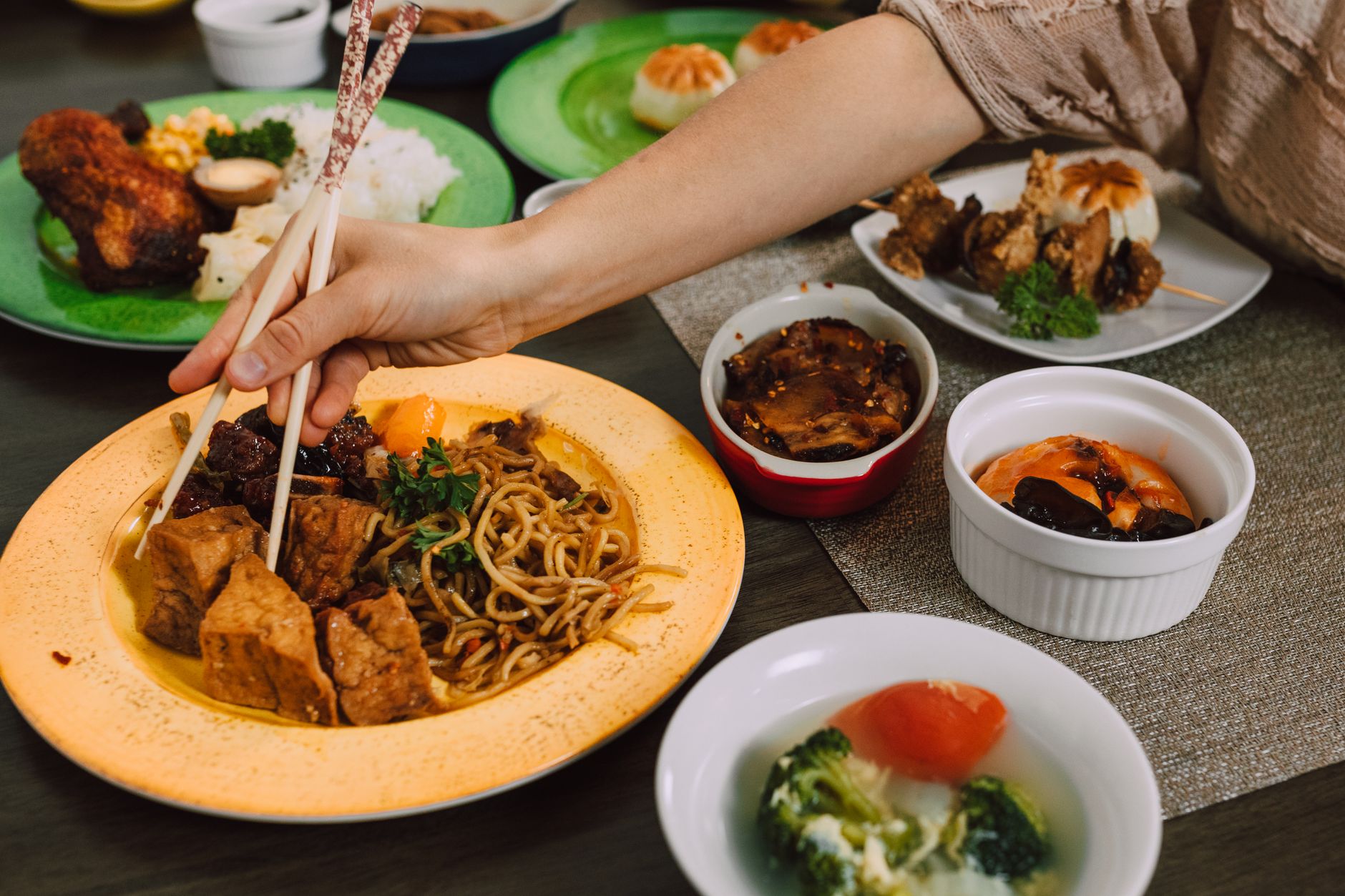
Asian cuisine is a vibrant and diverse category of culinary traditions that encompass a multitude of flavors, ingredients, and cooking techniques. With rich histories and cultural significance, each region offers something unique, from spicy Thai curries to subtle Japanese sushi. By exploring Asian cuisine, you can discover new ingredients, dishes to replicate at home, and ways to incorporate these flavors into your everyday cooking.
This article delves into the essentials of Asian cuisine, including popular dishes, ingredients commonly used, cooking techniques, and serving suggestions. Whether you are a seasoned cook or a beginner seeking exciting flavors, this guide will serve as a resource to help you enjoy and experiment with Asian foods.
Do Eat Asian Cuisine?
Yes, absolutely! Eating Asian cuisine can introduce you to a variety of flavors and techniques that elevate everyday meals. Each dish offers a unique taste experience that can suit various dietary preferences and occasions.
Understanding the Diversity of Asian Cuisine
Asian cuisine is not monolithic; it varies significantly among countries, regions, and their respective cultures. Some of the major categories include:
- East Asian: Includes Chinese, Japanese, Korean, and Mongolian cuisines known for their emphasis on rice, noodles, and seafood.
- Southeast Asian: Features Thai, Vietnamese, Malaysian, and Indonesian foods, often highlighting fresh herbs, spices, and coconut milk.
- South Asian: Comprises Indian, Pakistani, Sri Lankan, and Bangladeshi cuisines that utilize a variety of spices, lentils, and rice dishes.
- Central Asian: Emphasizes meat and dairy products, with strong influences from Russian cuisine.
- Western Asian: Also known as Middle Eastern cuisine, it includes dishes from countries such as Iran, Turkey, and Lebanon, known for grains, legumes, and spices.
Popular Dishes to Try
Here are some iconic dishes from various Asian cuisines to inspire your culinary adventures:
1. Sushi (Japan)
Sushi is a dish featuring vinegared rice combined with various ingredients, including seafood, vegetables, and sometimes tropical fruits. It is available in many forms such as nigiri, maki, and sashimi.
2. Pad Thai (Thailand)
A popular stir-fried noodle dish that marries sweet, salty, and sour flavors, usually prepared with rice noodles, tofu, shrimp, or chicken, and topped with crushed peanuts.
3. Dim Sum (China)
Dim Sum consists of a variety of steamed dumplings, buns, and snacks typically served with tea. It is more than just a meal; it’s an experience best shared with a group.
4. Biryani (India)
A fragrant rice dish made with marinated meat or vegetables, layered with fragrant spices, and cooked to perfection, resulting in a vibrant and flavorful one-pot meal.
5. Pho (Vietnam)
This aromatic soup is made with broth, rice noodles, herbs, and meat, typically beef or chicken. It’s beloved for its depth of flavor and is often enjoyed as a breakfast dish in Vietnam.
Key Ingredients in Asian Cooking
To create authentic Asian dishes, understanding and utilizing foundational ingredients is crucial. Here’s a list of key ingredients commonly used in various Asian cuisines:
- Rice: A staple food across many Asian cuisines, it can be white, brown, sticky, or jasmine rice depending on the region.
- Noodles: Many cultures have their own types of noodles, such as soba (buckwheat noodles from Japan), rice noodles from Thailand, and egg noodles from China.
- Spices and Herbs: Essential to flavor Asian dishes, commonly used spices include cumin, coriander, star anise, lemongrass, ginger, garlic, and chili.
- Sauces: Soy sauce, fish sauce, oyster sauce, and teriyaki sauce are often utilized to amplify the umami taste and add complexity to dishes.
- Proteins: A variety of meats such as chicken, pork, beef, and seafood, alongside plant-based proteins like tofu and tempeh, are frequently incorporated into meals.
- Vegetables: Fresh vegetables play a key role in many Asian dishes, with options like bok choy, bean sprouts, carrots, and eggplants adding color and crunch.
Essential Cooking Techniques
Mastering cooking techniques will allow you to prepare Asian dishes more confidently. Here are some fundamental methods used in Asian cooking:
1. Stir-Frying
A fast and high-heat cooking method that requires minimal oil and frequent stirring. It’s ideal for cooking vegetables and thinly sliced proteins to retain their color and crispness.
2. Steaming
This technique involves cooking food with steam from boiling water. It is often used for dumplings, buns, and vegetables, preserving their nutrients and natural flavors.
3. Braising
A two-step method that involves searing meat and then slow-cooking it in a flavored liquid, resulting in tender, flavorful dishes. This technique is great for tougher cuts of meat.
4. Grilling
Grilling adds a smoky flavor and char to foods. Asian cuisines often utilize grilling methods for meats and seafood, as well as vegetables and satays.
5. Broth Making
Creating a rich broth is fundamental in Asian soups like ramen and pho. It usually involves simmering bones or meat with spices and aromatics for several hours.
Practical Ingredient Substitutions
Sometimes, you may not have the exact ingredients at hand. Here are some practical substitutions that can work effectively without significantly altering the dish:
- For rice vinegar, use white vinegar or apple cider vinegar mixed with a bit of sugar.
- If you run out of fish sauce, a combination of soy sauce with a little lime juice can work well.
- To replace mirin, mix equal parts of sake and sugar or use rice vinegar and sugar as an alternative.
- Sesame oil can be substituted with olive oil, but it won’t impart the same nutty flavor.
- If you do not have kafir lime leaves, try using a combination of lime zest and bay leaves.
Serving Ideas for Asian Dishes
Presents your Asian meals beautifully, creating an inviting atmosphere is part of the culinary experience. Here are some tips on serving:
- Family Style: Many Asian dining traditions emphasize sharing. Serve dishes in communal bowls so everyone can help themselves.
- Garnishments: Use fresh herbs, toasted sesame seeds, or chili flakes to add visual appeal and a burst of flavor to your dishes.
- Accompaniments: Offer rice or noodles alongside main dishes to balance flavors and textures. Popular side dishes include pickled vegetables or spring rolls.
- Themed Tables: Set the table with chopsticks, small serving bowls, and perhaps a decorative touch inspired by the region you’re showcasing.
Common Mistakes to Avoid
To achieve the best results when cooking Asian cuisine, aware of pitfalls can help improve your technique:
- Under-seasoning: Strong flavors characterize Asian cuisine, so don’t be afraid to taste and adjust the seasonings as you cook.
- Overcrowding the Pan: When stir-frying, use a large enough pan to prevent steaming the ingredients instead of frying them.
- Not Preparing Ingredients: Have all your ingredients prepped and ready before you start cooking. Asian dishes often cook quickly, so preparation is crucial.
- Ignoring Cooking Times: Each ingredient may have different cooking times. Add proteins and vegetables sequentially to achieve the desired doneness.
- Substituting Soy Sauce: Using too much soy sauce can make dishes overly salty. Opt for low-sodium options where possible.
Storing Asian Dishes
Proper storage is key to maintaining food safety and flavor. Here are some guidelines:
- Refrigeration: Most cooked Asian dishes can be stored in an airtight container in the fridge for up to three days.
- Freezing: Dishes like dumplings, curries, and soups freeze well. For best results, cool them completely before placing them in freezer-safe containers.
- Rice Storage: Cooked rice should be cooled and stored in the fridge. When reheating, add a little water to prevent it from drying out.
- Herbs Storage: Fresh herbs like cilantro or basil can be kept in a glass of water in the fridge, covered loosely with a plastic bag to extend freshness.
Conclusion
Asian cuisine offers an enticing blend of flavors, textures, and aromas that are worthy of exploration. By familiarizing yourself with key ingredients, techniques, and popular dishes, you can enjoy the endless possibilities Asian cooking can bring to your kitchen. Remember to keep an open mind, enjoy the cooking process, and experiment with new flavors and ideas.
If you’re interested in diving deeper into specific recipes, consider checking out our Bun Bo Hue recipe or explore the flavorful Shrimp Curry recipe. Both embody the essence of Asian cuisine and can inspire your next culinary adventure.