
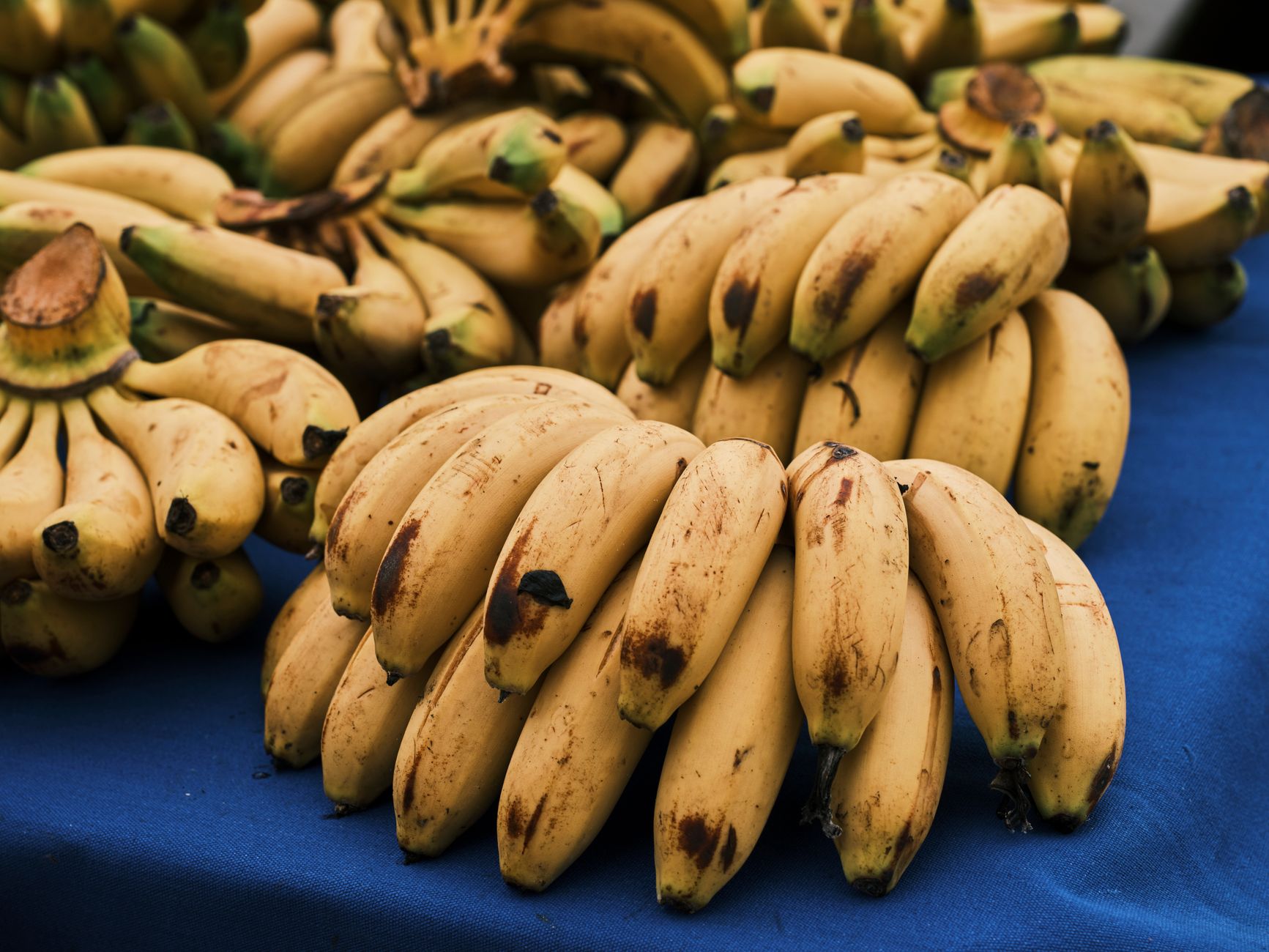
Bananas are often lauded for their nutritional benefits, particularly their potassium content. This essential mineral plays a critical role in various bodily functions, including muscle contractions, nerve signaling, and maintaining fluid balance. Understanding whether bananas have potassium and how they fit into your diet can be crucial for your health.
In this article, we will delve into the potassium levels in bananas, their health implications, and how you can incorporate this fruit into your meals and snacks. Whether you’re looking to boost your potassium intake or just curious about the nutritional profile of bananas, this guide is for you.
Do Bananas Have Potassium?
Yes, bananas are an excellent source of potassium. On average, a medium-sized banana contains about 422 milligrams of potassium. This mineral is essential for heart health, muscle function, and overall well-being. Consuming bananas can help meet the recommended daily intake of potassium, which is about 2,500 to 3,000 milligrams for adults, depending on age and sex.
Understanding Potassium and Its Importance
Potassium is one of the key electrolytes in the body, which means it helps carry electrical charges required for muscle contractions and nerve signaling. Below are some of the vital functions of potassium:
- Regulates blood pressure: Potassium helps balance the amounts of sodium in your body, contributing to lower blood pressure levels.
- Muscle function: Adequate potassium levels are essential for proper muscle functioning, making it vital for athletes and active individuals.
- Nerve function: Potassium aids in the transmission of nerve impulses, which is crucial for bodily coordination and response.
- Fluid balance: Potassium maintains proper fluid balance in cells, helping to prevent dehydration and ensuring cells function correctly.
Comparison of Potassium Levels in Foods
While bananas are well-known for their potassium content, they are not the only source. Below is a comparison of the potassium content in various foods:
| Food | Potassium Content (mg per serving) |
|---|---|
| Medium Banana | 422 |
| Sweet Potato (1 medium) | 542 |
| Avocado (1 medium) | 975 |
| Spinach (cooked, 1 cup) | 839 |
| Potato (baked, 1 medium) | 926 |
| Tomato (1 medium) | 292 |
As seen in the table, while bananas provide a substantial amount of potassium, certain other foods, particularly fruits and vegetables, have even higher levels. Incorporating a variety of potassium-rich foods into your diet can help you meet your nutritional needs.
Incorporating Bananas into Your Diet
Bananas are versatile and can be enjoyed in various ways. Here are some creative ideas for incorporating bananas into your meals and snacks:
- Add sliced bananas to your morning oatmeal or yogurt for a naturally sweet breakfast.
- Blend bananas into smoothies with spinach, almond milk, and a scoop of protein powder for a nutrient-packed drink.
- Use mashed bananas as a substitute for oil or butter in baking recipes, such as muffins or pancakes, for a healthier twist.
- Freeze banana slices and blend them into a creamy, ice cream-like treat for a quick and healthy dessert.
- Enjoy whole bananas as a portable snack during your busy day.
Potassium Deficiency and How to Avoid It
A potassium deficiency, known as hypokalemia, can lead to various health issues, including muscle weakness, cramping, fatigue, and irregular heartbeat. Certain diets or medical conditions may increase the risk of potassium deficiency.
Here are some tips to ensure you maintain adequate potassium levels:
- Incorporate a variety of fruits and vegetables into your diet, focusing on those high in potassium.
- Consider potassium-rich snacks like bananas, nuts, and dried fruits.
- If you engage in intense physical activity, replenishing electrolytes through balanced hydration is crucial.
- Check with a healthcare professional if you have underlying health conditions that may affect potassium levels.
Common Questions About Bananas and Potassium
Can I get enough potassium from bananas alone?
While bananas are a great source of potassium, relying solely on them for your intake may not be advisable. It’s essential to consume a balanced diet with a range of potassium-rich foods to meet your daily requirements.
Are there any side effects of consuming too much potassium?
Excess potassium from food sources typically isn’t a concern for healthy individuals, as your body regulates potassium levels efficiently. However, if you have kidney issues or other medical conditions, excessive potassium can be harmful. It’s advisable to consult a healthcare provider if you are concerned about your potassium levels.
Common Mistakes When Eating Bananas
Although bananas are a wholesome choice, some common mistakes can detract from their benefits:
- Overconsuming: Eating bananas in moderation is key. They are nutrient-dense but also contain sugar, which can add up if eaten in excess.
- Relying solely on bananas: Ensure a varied diet to obtain a broad spectrum of nutrients.
- Misunderstanding ripeness: Some may avoid ripe bananas, thinking they are unhealthy. Ripe bananas contain more antioxidants, making them beneficial.
Healthy Banana Recipes
Here are some simple and nutritious recipes that feature bananas prominently:
Banana Oatmeal Pancakes
This recipe is a healthy alternative to traditional pancakes. They are naturally sweetened and packed with nutrients.
Ingredients:
- 1 ripe banana, mashed
- 1 cup rolled oats
- 1 cup milk (dairy or plant-based)
- 2 eggs
- 1 teaspoon baking powder
- 1 teaspoon vanilla extract
- Pinch of salt
Equipment:
- Mixing bowl
- Frying pan
- Spatula
Instructions:
- In a mixing bowl, combine the mashed banana, rolled oats, milk, eggs, baking powder, vanilla extract, and salt. Mix until smooth.
- Heat a frying pan over medium heat and lightly grease it.
- Pour a small amount of batter onto the pan, forming pancakes of your desired size.
- Cook until bubbles form on the surface, then flip and cook until golden brown on both sides.
- Serve warm with your favorite toppings, such as fresh fruit or maple syrup.
Banana Smoothie Bowl
This smoothie bowl is a refreshing breakfast or snack packed with flavor and nutrients.
Ingredients:
- 1 frozen banana
- 1 cup spinach
- 1 cup almond milk
- 1 tablespoon nut butter (optional)
- Toppings: granola, fresh fruit, chia seeds
Instructions:
- Combine the frozen banana, spinach, almond milk, and nut butter (if using) in a blender.
- Blend until smooth and creamy. Adjust the thickness by adding more milk if needed.
- Pour the smoothie into a bowl and top with granola, fresh fruit, and chia seeds.
- Enjoy immediately!
Storage Tips for Bananas
Proper storage of bananas can help maintain their freshness:
- Keep bananas at room temperature until they reach your desired ripeness. If you want to slow down the ripening process, separate them from other fruits.
- Once ripe, you can store bananas in the refrigerator. The skin may turn brown, but the fruit inside will remain fresh.
- Consider freezing bananas if you have excess that you can’t consume. Peel and slice them before freezing, so they are easy to blend or add to recipes later.
Conclusion
Bananas are a delicious and nutritious source of potassium, making them an excellent addition to your daily diet. With a variety of ways to enjoy them, along with proper storage techniques, they can be a convenient and healthy choice for various meals and snacks. Aim to include other potassium-rich foods alongside bananas to ensure you meet your nutritional needs effectively.
Explore more about the nutritional content of bananas in our guide on what a banana is or learn about its fiber content in how much fiber is in a banana.