
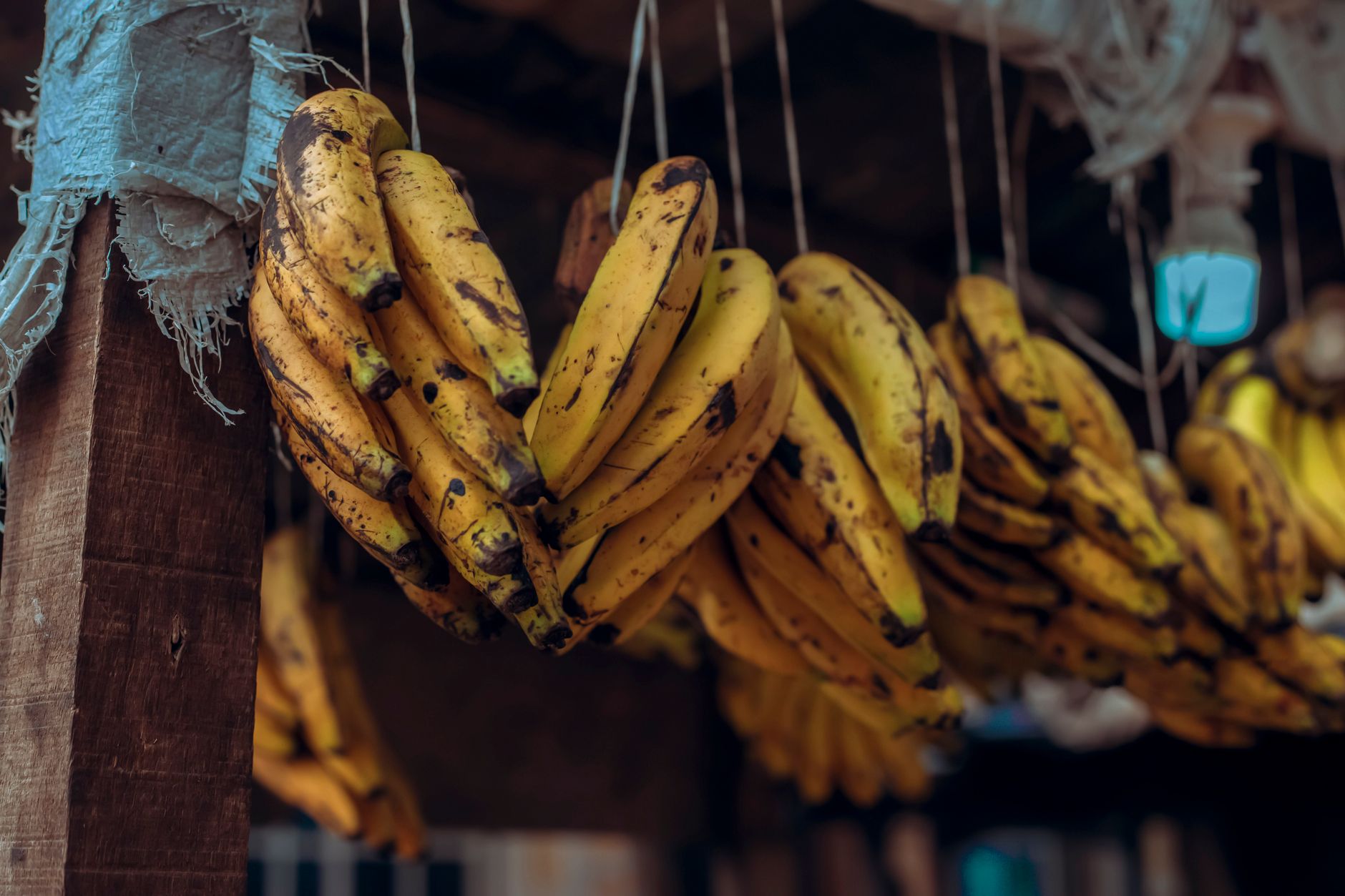
Bananas are one of the most popular fruits worldwide, loved for their natural sweetness, portability, and versatility. Besides being delicious and easy to eat, they are packed with essential nutrients. One common question is whether bananas are a good source of fiber. In this article, we will explore the fiber content in bananas, their health benefits, uses, serving ideas, and some practical tips for enjoying this fruit.
Understanding fiber and how it plays a vital role in a healthy diet is crucial for anyone looking to make informed food choices. We will detail the types of fiber found in bananas, how they contribute to digestive health, and why incorporating more fiber into your diet is beneficial.
Do Bananas Have Fiber?
Yes, bananas do have fiber. A medium-sized banana (approximately 7 to 8 inches long) contains about 3 grams of fiber. This fiber content includes a mix of soluble and insoluble fiber, both of which have distinct health benefits. Soluble fiber can help manage blood sugar levels, while insoluble fiber assists in digestive health and regularity.
Understanding Fiber: Types and Benefits
Fiber is a type of carbohydrate that the body cannot digest. It is essential for maintaining digestive health and offers several health benefits. There are two main types of dietary fiber:
- Soluble Fiber: Dissolves in water and forms a gel-like substance in the gut. It helps control blood sugar levels and lowers cholesterol by binding to it in the digestive system. Oats, legumes, apples, and bananas are good sources of soluble fiber.
- Insoluble Fiber: Does not dissolve in water and adds bulk to stool, aiding in regular bowel movements. Whole grains, nuts, seeds, and the skins of fruits and vegetables are rich in insoluble fiber.
Health Benefits of Fiber
Increasing dietary fiber intake has several health benefits, including:
- Improved Digestive Health: Fiber promotes regular bowel movements and can prevent constipation. It aids in the formation of healthy stool and can alleviate digestive issues.
- Weight Management: High-fiber foods tend to be more filling, which can curb hunger and support weight loss or maintenance efforts.
- Heart Health: Soluble fiber can lower cholesterol levels, reducing the risk of heart disease.
- Blood Sugar Control: Soluble fiber can help stabilize blood sugar levels by slowing the absorption of sugar, making it a significant consideration for those with diabetes.
Bananas: Nutritional Profile
In addition to fiber, bananas provide several essential nutrients, including:
- Potassium: Important for heart health and blood pressure regulation.
- Vitamin C: An antioxidant that supports the immune system.
- Vitamin B6: Aids in protein metabolism and cognitive development.
- Magnesium: Supports muscle and nerve function.
A medium banana offers roughly 105 calories, making it a nutrient-dense snack. The combination of fiber, vitamins, and minerals makes bananas an excellent addition to a balanced diet.
Ways to Incorporate Bananas into Your Diet
Bananas are incredibly versatile and can be enjoyed in many ways, from snacking to baking. Here are several ideas for incorporating bananas into your meals:
- Breakfast: Add sliced bananas to your morning oatmeal, cereal, or yogurt for added flavor and fiber.
- Smoothies: Blend bananas with spinach, almond milk, and protein powder for a nutrient-rich smoothie.
- Snacks: Enjoy bananas with almond or peanut butter for a satisfying snack that combines healthy fats with fiber.
- Baking: Use overripe bananas in recipes for banana bread, muffins, or pancakes.
- Salads: Incorporate banana slices into fruit salads or green salads for an extra sweetness.
Practical Tips for Choosing and Storing Bananas
When selecting bananas, look for ones that are firm and free from blemishes. The color of the peel can indicate ripeness:
- Green: Not ripe yet, with a starchy flavor. Best for baking or cooking.
- Yellow: Perfect for eating raw; sweet and aromatic.
- Spotted Brown: Overripe; still good for baking or smoothies but not ideal for raw consumption.
To store bananas, keep them at room temperature. If you want to slow down the ripening process, separate them from other fruits. Once ripe, if you cannot finish them all, bananas can be frozen for later use in smoothies or baking.
Delicious Banana Recipes
Here are a couple of recipes that highlight bananas as a key ingredient:
Banana Bread
This classic banana bread is a perfect way to use overripe bananas and makes for a delicious breakfast or snack.
- Yield: 1 loaf
- Preparation Time: 15 minutes
- Cooking Time: 60 minutes
- Total Time: 1 hour 15 minutes
Ingredients
- 3 ripe bananas, mashed
- 1/3 cup melted butter
- 1 teaspoon baking soda
- Pinch of salt
- 3/4 cup sugar
- 1 large egg, beaten
- 1 teaspoon vanilla extract
- 1 cup all-purpose flour
Essential Equipment
- Mixing bowl
- Loaf pan
- Oven
- Spatula
Instructions
- Preheat your oven to 350°F (175°C).
- In a mixing bowl, mash the ripe bananas with a fork until smooth.
- Stir the melted butter into the mashed bananas.
- Mix in the baking soda and salt.
- Add the sugar, beaten egg, and vanilla extract, and mix until well combined.
- Lastly, stir in the flour, mixing until just combined; do not overmix.
- Pour the banana batter into a greased loaf pan.
- Bake in the preheated oven for about 60 minutes, or until a toothpick inserted into the center comes out clean.
- Let cool in the pan for about 10 minutes, then transfer to a wire rack to cool completely.
Banana Smoothie
A banana smoothie is an easy and delicious way to start your day or refuel after a workout.
- Yield: 1 serving
- Preparation Time: 5 minutes
- Total Time: 5 minutes
Ingredients
- 1 ripe banana
- 1 cup almond milk (or any milk of your choice)
- 1 tablespoon honey or maple syrup (optional)
- 1/2 cup spinach (optional for added nutrients)
Essential Equipment
- Blender
- Measuring cups and spoons
Instructions
- Combine all ingredients in a blender.
- Blend until smooth and creamy.
- Taste and adjust sweetness if desired.
- Pour into a glass and enjoy immediately.
Common Mistakes and Troubleshooting
When preparing banana-based recipes or incorporating bananas into meals, keep these points in mind:
- Overripe bananas are best for baking, while firm bananas are ideal for slicing into cereal or salads.
- When making banana bread, do not overmix the batter, as this can lead to dense bread.
- For smoothies, freezing bananas ahead of time can give a creamier texture.
Conclusion
Bananas are not only delicious and convenient but also a good source of dietary fiber and several essential nutrients. By incorporating bananas into your diet, you can enjoy their numerous health benefits while exploring a variety of recipes and eating options. Whether you’re blending a quick smoothie, baking banana bread, or simply enjoying them fresh, there are countless ways to savor this wonderful fruit.
Next time you’re in the market, grab a bunch of bananas and try out some of these serving ideas or recipes. For more information about the fiber content in bananas, check out our guide on how much fiber in banana, and for a tasty way to use ripe bananas, explore our banana bread recipe with oil.