
Picture the moment you pull a dish out of the oven, the aroma wafting through the kitchen, and you realize you’ve created something truly special. The debate over whether you can patent a recipe stirs up plenty of curiosity, especially among home cooks and food enthusiasts eager to protect their culinary masterpieces. This topic intertwines creativity and legality, making it a fascinating exploration for anyone passionate about cooking.
Why You’ll Love This Recipe
This article will guide you through the intriguing process of patenting a recipe, breaking down the complexities into bite-sized pieces.
- Gain insight into the legal aspects of recipes.
- Understand what can be patented versus what cannot.
- Learn about the process of filing a patent.
- Explore tips to protect your culinary creations.
- Engage with the fascinating world of food innovation.
My Experience Making This Recipe
While I might not have filed a patent myself, the thrill of creating unique dishes always makes me wonder about protecting them. Each time I whip up something original, I think about the work that goes into crafting a recipe and how sharing it can sometimes feel like giving away a piece of art.
When I spoke with fellow food lovers about this topic, their passion for protecting their creations was palpable. It sparked discussions about innovation and the importance of recognizing culinary contributions.
Recipe Overview
- Recipe Name: Can You Patent A Recipe
- Servings: N/A
- Prep Time: N/A
- Cook Time: N/A
- Total Time: N/A
- Course: Legal Guide
- Cuisine: Culinary Arts
- Calories per Serving: N/A
Equipment You Will Need
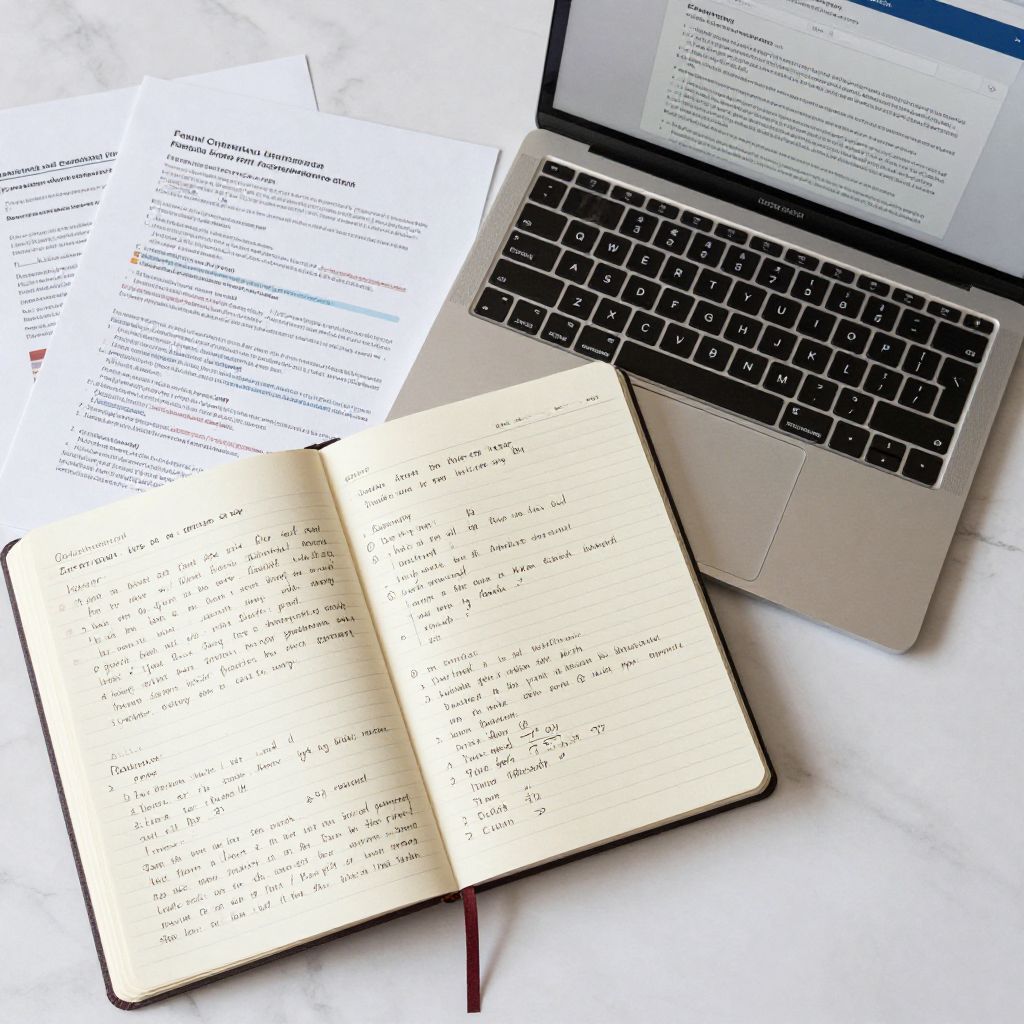
- Computer with internet access
- Research materials on patent law
- Notebook for notes
- Legal counsel (optional but recommended)
Ingredients for Can You Patent A Recipe
- Unique Recipe – Your original creation that you want to protect.
- Research Documents – Information on patent requirements and examples.
- Legal Filing Forms – Necessary paperwork for patent submission.
Ingredient Notes and Substitutions
- Unique Recipe: This is the heart of your patent. It must be novel and non-obvious.
- Research Documents: Use online resources or books on patent law as substitutes for personal experiences.
- Legal Filing Forms: These can vary by region; make sure to use the correct forms for your area.
How to Make Can You Patent A Recipe
Step 1: Determine Your Recipe’s Uniqueness
Assess if your recipe offers something new and inventive. This is crucial for patent eligibility.
Step 2: Do Your Research
Investigate existing patents to ensure your recipe is truly unique. This step can save you time and effort later.
Step 3: Document Your Recipe
Write down your recipe in detail, including measurements and techniques. This documentation will be vital for your patent application.
Step 4: Consult a Patent Attorney
Seeking professional advice can clarify the patent process. They can help navigate legal jargon and requirements.
Step 5: Prepare Your Patent Application
Gather all necessary documents, including your detailed recipe and research findings. A well-prepared application increases your chances of approval.
Step 6: File Your Patent
Submit your application to the relevant patent office. Be ready for potential follow-up questions or requests for additional information.
Step 7: Wait for Examination
After filing, your application will be reviewed. Patience is key during this stage, as it may take time to receive a response.
Step 8: Respond to any Office Actions
If the patent office requests changes or clarifications, respond promptly. This step can be critical for your patent’s success.
Pro Tip: Always keep a record of your recipe development process. This documentation can be crucial if there are disputes later on.
Tips for the Best Can You Patent A Recipe
- Make sure your recipe is as original as possible to increase patent chances.
- Keep thorough records of your cooking process and any changes made.
- Be prepared for a lengthy review process; patience is essential.
- Consider a provisional patent if you need time to refine your recipe.
- Consult with other food innovators for insights and advice.
Common Mistakes to Avoid
- Not doing enough research on existing patents could lead to wasted efforts.
- Failing to document the recipe creation process may weaken your application.
- Ignoring the importance of legal counsel can lead to misunderstandings.
- Rushing the filing process might result in incomplete applications.
Serving Suggestions
While this recipe isn’t served in the traditional sense, understanding how to protect your culinary creations can lead to greater satisfaction in your cooking journey. It’s all about valuing your hard work and creativity.
- Pair your recipe discussions with a good book on culinary law.
- Share your knowledge at a cooking class or workshop.
- Join culinary innovation groups to connect with like-minded individuals.
- Discuss your experiences over coffee with fellow food lovers.
Variations to Try
- Consider applying for a trademark instead of a patent for brand recognition.
- Explore filing for a trade secret protection if your recipe is closely guarded.
- Look into licensing agreements to share your recipe while keeping ownership.
- Experiment with different presentation styles to enhance your recipe’s appeal.
Dietary Adaptations
- Gluten-free: Modify your recipe to use gluten-free ingredients.
- Dairy-free: Substitute dairy ingredients with plant-based alternatives.
- Vegan/Vegetarian: Ensure all components align with plant-based diets.
- Low-carb/Keto: Adjust ingredients to reduce carbohydrate content.
Storage and Reheating
Refrigerator
Keep your recipe documentation in a cool, dry place. Proper storage of your notes ensures they remain intact.
- Use a binder to organize your research and recipe notes.
- Label your documents for easy access.
Freezer
While recipes can’t be frozen, you can keep backup copies of your documentation. Digital backups are especially useful.
- Scan your documents for digital storage.
- Keep copies in multiple locations for security.
Reheating
Revisiting your notes is like reheating a favorite dish. Go through them to refresh your memory.
- Review your documentation regularly to stay sharp.
- Update notes with any new insights or changes to your recipe.
Nutrition Information
| Nutrient | Amount |
|---|---|
| Calories | N/A |
| Total Fat | N/A |
| Saturated Fat | N/A |
| Carbohydrates | N/A |
| Fiber | N/A |
| Sugar | N/A |
| Protein | N/A |
| Sodium | N/A |
| Cholesterol | N/A |
This recipe primarily focuses on the legal aspects and does not have specific nutritional values.
Frequently Asked Questions
Can I patent a recipe that is already known?
No, if your recipe is already publicly known, it cannot be patented as it lacks originality.
How long does the patent process take?
The patent process can take anywhere from a few months to several years, depending on various factors.
What if I want to share my recipe?
Sharing your recipe can impact its patentability, so consider a provisional patent before making it public.
Can I patent a cooking technique?
Yes, cooking techniques can be patented if they meet the requirements of being novel and non-obvious.
Do I need a lawyer to patent my recipe?
While it’s not mandatory, consulting a lawyer can help navigate the complexities of patent law.
Final Thoughts
Understanding how to patent a recipe can empower you as a creator in the culinary world. It’s not just about protecting your work; it’s about valuing your creativity and innovation.
Every dish you create deserves recognition, so take your time exploring this fascinating topic. If you want to dig deeper into food-related questions, check out substitutes for rosemary or learn more about Reuben sandwiches. Happy cooking!
Can You Patent A Recipe
Ingredients
Equipment
Method
- Determine your recipe's uniqueness and assess if it offers something novel.
- Do your research on existing patents to ensure your recipe is truly unique.
- Document your recipe in detail, including measurements and techniques.
- Consult a patent attorney for professional advice on the patent process.
- Prepare your patent application by gathering all necessary documents.
- File your patent application with the relevant patent office.
- Wait for examination of your application by the patent office.
- Respond promptly to any office actions from the patent office.