
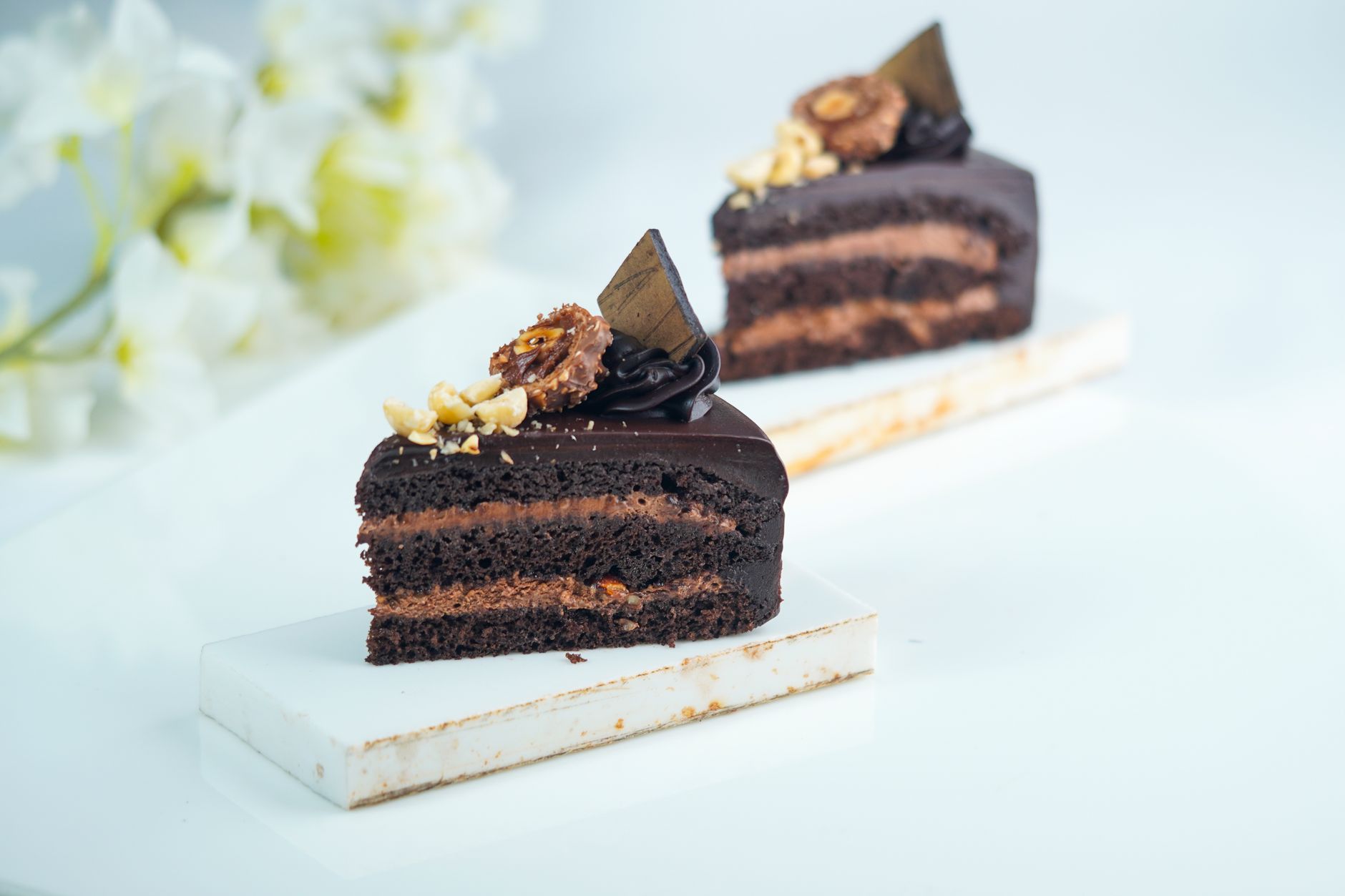
Eggs are often a key ingredient in traditional cake recipes, contributing moisture, structure, and richness. However, many people wonder if it’s possible to bake a delicious cake without using eggs. The answer is yes! Whether you have an egg allergy, follow a vegan lifestyle, or simply ran out of eggs, there are several alternatives that can yield moist and flavorful cakes.
This article will explore various egg substitutes, provide tips on how to adjust your recipe accordingly, and share a simple cake recipe that works beautifully without eggs. With the right ingredients and techniques, you can enjoy a delightful cake that everyone will love.
Can You Make Cake Without Eggs?
Yes, you can make cake without eggs. By using various substitutes, you can achieve similar textures and flavors. Common egg replacements such as applesauce, yogurt, and flaxseed meal not only accommodate dietary restrictions but also keep your cake moist and add unique flavors.
Why Use Egg Substitutes?
Eggs serve multiple purposes in a cake recipe, including:
- Binding: Eggs help hold the ingredients together.
- Leavening: They provide lift and contribute to the cake’s texture.
- Moisture: Eggs add moisture, preventing the cake from being dry.
- Flavor: They impart richness and depth of flavor.
When baking without eggs, it’s essential to choose substitutes that will replicate these functions while aligning with your dietary needs or preferences.
Popular Egg Substitutes for Cakes
1. Applesauce
Applesauce is a popular egg substitute, especially in sweet baked goods. Use 1/4 cup of unsweetened applesauce to replace one egg. It adds moisture and a subtle sweetness.
2. Flaxseed Meal
Ground flaxseed can mimic the binding properties of eggs. To make a flax egg, mix 1 tablespoon of flaxseed meal with 2.5 tablespoons of water and let it sit for about 10 minutes until it thickens. This mix can substitute one egg in your recipe.
3. Chia Seeds
Similar to flaxseed, chia seeds can be used as an egg replacement. Combine 1 tablespoon of chia seeds with 2.5 tablespoons of water and allow it to rest until it forms a gel-like consistency. This mixture acts as a binding agent in your cake.
4. Yogurt or Silken Tofu
Both yogurt and silken tofu can help keep your cake moist and rich. Use 1/4 cup of yogurt or blended silken tofu to substitute one egg. This is especially effective in dense cakes.
5. Baking Soda and Vinegar
A combination of baking soda and vinegar creates a reaction that adds leavening and moisture. Mix 1 tablespoon of vinegar (white or apple cider) with 1 teaspoon of baking soda to replace one egg. Be aware that this substitution may alter the flavor slightly.
6. Commercial Egg Replacers
There are several store-bought egg replacers available, like Ener-G, which are specifically designed for baking. Follow the package instructions to determine how much to use for substitutes.
Tips for Baking Cake Without Eggs
To achieve the best results when baking a cake without eggs, consider the following tips:
- Choose the right substitute: Use substitutes that complement the flavor profile of your cake.
- Adjust other ingredients: Depending on the substitute, you may need to tweak other ingredients like liquid or sweeteners.
- Bake at the correct temperature: Follow your original recipe’s temperature but keep an eye on the baking time, as egg substitutes may alter the cooking time.
- Check doneness: Use a toothpick to test for doneness, ensuring the cake comes out clean.
Simple Eggless Cake Recipe
This simple eggless vanilla cake is perfect for any occasion, whether it’s a birthday, afternoon tea, or just a casual dessert. It’s moist, fluffy, and bursting with flavor.
Yield
This recipe makes one 9-inch round cake, serving approximately 8 people.
Preparation Time
Prep time: 15 minutes
Cooking Time
Cook time: 30-35 minutes
Total time: 45-50 minutes
Ingredients
- 1 1/2 cups all-purpose flour
- 1 cup granulated sugar
- 1/2 cup unsweetened applesauce
- 1/2 cup vegetable oil
- 1 cup milk (dairy or any plant-based alternative)
- 1 teaspoon baking soda
- 1 teaspoon baking powder
- 1/2 teaspoon salt
- 1 teaspoon vanilla extract
Equipment
- Mixing bowls
- Whisk
- 9-inch round cake pan
- Parchment paper
- Oven
Method
- Preheat your oven to 350°F (175°C). Grease the cake pan and line the bottom with parchment paper.
- In a mixing bowl, combine the flour, baking soda, baking powder, and salt. Whisk until well mixed.
- In another bowl, mix the applesauce, sugar, and vegetable oil until smooth.
- Add the milk and vanilla extract to the wet mixture and stir until combined.
- Gradually add the dry ingredients to the wet ingredients, mixing just until combined. Do not over-mix; a few lumps are acceptable.
- Pour the batter into the prepared cake pan and smooth the top.
- Bake in the preheated oven for 30-35 minutes or until a toothpick inserted into the center comes out clean.
- Allow the cake to cool in the pan for 10 minutes before transferring it to a wire rack to cool completely.
Serving Suggestions
This cake can be served as is or dressed up with your favorite frosting or glaze. Consider using a simple vanilla buttercream, chocolate ganache, or even a fruit glaze for added flavor.
Feel free to pair your cake with fresh fruits, whipped cream, or a scoop of dairy-free ice cream for an irresistible dessert.
Common Mistakes and Troubleshooting
When baking a cake without eggs, you might encounter a few common issues:
- Dry Texture: If your cake turns out dry, consider increasing the amount of moisture by adding more applesauce or another liquid.
- Dense Cake: If the cake is dense, verify that you used the correct leavening agents, and consider adjusting baking times.
- Flavor Issues: Make sure the substitute you chose complements the flavor of the cake. For example, using a flavored yogurt can enhance the cake’s taste.
Storage and Reheating
Store any leftover cake in an airtight container at room temperature for up to three days. If you’d like to extend its shelf life, wrap the cake in plastic wrap and refrigerate for up to one week. The cake can also be frozen for up to three months; just ensure it is well-wrapped to prevent freezer burn.
To enjoy a slice again, simply thaw at room temperature or reheat in the microwave for a few seconds.
Exploring Variations
Not only can you replace eggs in cakes, but you can also customize your recipes with various ingredients:
- Chocolate Cake: Replace the vanilla extract with almond extract and add cocoa powder to the dry ingredients for a rich chocolate version.
- Fruit Cake: Incorporate chopped fruits, nuts, or spices to create a variation suited to your taste.
- Gluten-Free Option: Substitute the all-purpose flour with a gluten-free flour blend for a gluten-free eggless cake.
Experimenting with egg substitutes can yield delicious results, and you might discover some exciting new flavors in the process.
Baking a cake without eggs is not only possible, but it can also be an enjoyable experience that opens doors to creative cooking. With the right substitutes, you can achieve a moist, delicious cake that everyone can enjoy. For more on egg substitutes, visit How Much Applesauce Equals One Egg or explore a Gluten-Free Cupcake Recipe for alternative baking ideas.