
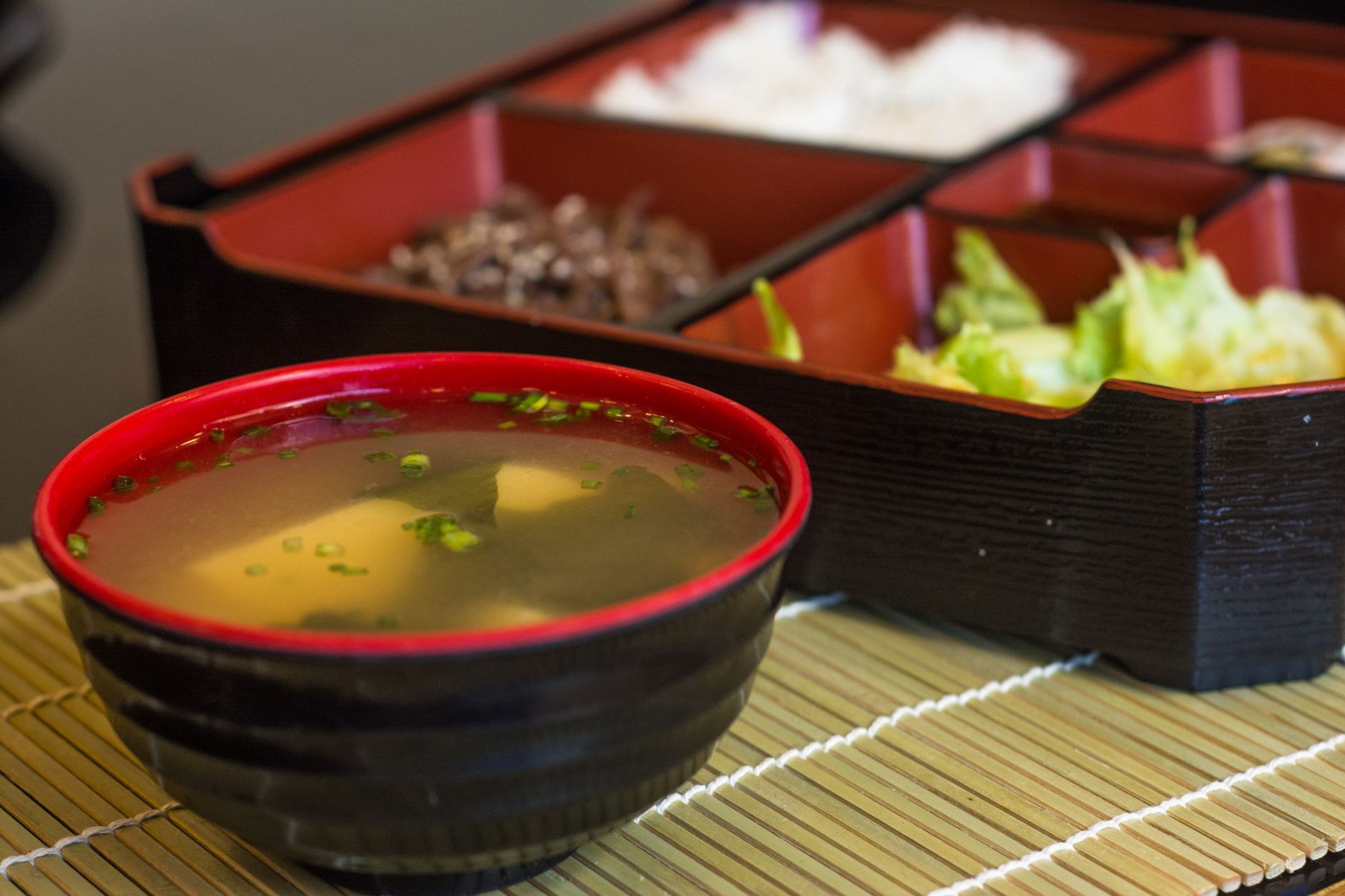
Miso soup is a quintessential dish in Japanese cuisine, known for its rich umami flavor and warming qualities. Traditionally, it is made with dashi, a flavorful broth that serves as the foundation for the soup. However, making miso soup without dashi is entirely possible, opening up a world of flavors and variations that can cater to different preferences and dietary needs.
This article explores how to prepare miso soup without using dashi, including a simple recipe, ingredient substitutions, and tips for enhancing the flavor. Whether you’re out of dashi stock or following a specific dietary restriction, this guide will help you enjoy delicious and comforting miso soup.
Can You Make Miso Soup Without Dashi?
Yes, you can make miso soup without dashi. Instead of relying on this traditional broth, you can use water infused with flavorful ingredients such as vegetables, mushrooms, or seaweed to create a delicious base. This method allows flexibility in flavor while still delivering the comforting essence of miso soup.
Why Make Miso Soup Without Dashi?
There are several reasons you might choose to make miso soup without dashi:
- Dietary Restrictions: Some individuals might be vegetarian, vegan, or have allergies preventing the use of fish-based dashi.
- Ingredients on Hand: You may find yourself lacking dashi in your pantry but still wish to whip up a quick miso soup with accessible ingredients.
- Flavor Exploration: Experimenting with different broth bases allows for a unique twist on traditional miso soup flavors.
Basic Ingredients for Miso Soup Without Dashi
Creating miso soup without dashi requires a few essential ingredients, along with optional add-ins that can enhance the flavor. Here’s what you will need:
- Water: The base of your soup.
- Miso Paste: The star of the soup, available in various types such as white, yellow, or red.
- Vegetable Broth or Stock: For a richer flavor, you can use vegetable broth instead of water.
- Tofu: Soft or firm, cut into cubes, providing protein and texture.
- Seaweed: Dried wakame is a common choice, adding a lovely texture and hint of ocean flavor.
- Green Onions: Sliced, they add a burst of freshness and flavor.
- Vegetables: Optional additions like mushrooms, carrots, or daikon radish can enhance the depth of flavors.
A Simple Recipe for Miso Soup Without Dashi
This recipe will yield approximately four servings and takes about 30 minutes to prepare and cook.
Ingredients
- 4 cups water or vegetable broth
- 3 tablespoons miso paste (white or yellow is recommended)
- 1 cup tofu, cut into cubes
- 1/4 cup dried wakame seaweed
- 2 green onions, chopped
- Optional: 1 cup mixed vegetables (such as mushrooms, carrots, or spinach)
Essential Equipment
- Large pot
- Whisk or spoon for mixing miso
- Cutting board and knife
- Measuring cups and spoons
Instructions
- In a large pot, bring the water or vegetable broth to a gentle boil over medium heat.
- If using dried wakame seaweed, rehydrate it by soaking it in warm water for about 10 minutes, then drain and set aside.
- Once boiling, reduce to low heat and add the tofu cubes and vegetables if using. Simmer for approximately 5 minutes.
- In a small bowl, combine a ladleful of the hot broth with the miso paste. Stir until smooth and there are no lumps.
- Lower the heat to avoid boiling, then add the miso mixture back to the soup, stirring gently.
- Fold in the rehydrated wakame seaweed and chopped green onions. Simmer for another 2–3 minutes to heat everything through.
- Taste the soup and adjust the flavor, adding more miso if desired. Serve hot.
Flavor Variations and Substitutions
Making miso soup without dashi allows for creative freedom with flavors and ingredients. Here are some ideas for variations and substitutions:
Broth Alternatives
- Bone Broth: For a non-vegetarian option, using chicken or beef bone broth can add depth.
- Mushroom Broth: A flavorful option for mushroom lovers or to deepen the umami quality.
Vegetarian Protein Options
- Edamame: Fresh or frozen edamame provides a decidely different texture.
- Chickpeas: Cooked chickpeas can serve as a unique protein source.
Add-ins to Enhance Flavor
- Garlic and Ginger: Sauté minced garlic and ginger in the pot before adding liquid for an aromatic boost.
- Chili Paste or Oil: For those who like a kick, adding chili can spice things up.
- Lemon Juice: A squeeze of lemon can provide freshness and a touch of acidity.
Common Mistakes and Troubleshooting
A few common pitfalls can occur when making miso soup without dashi:
- Too Strong or Too Weak: Adjust the amount of miso paste to balance the soup’s flavor. Remember, you can always add more, but it’s hard to fix an overly salty soup.
- Cooking Temperature: Miso should not be boiled. Heat the soup gently after adding the miso to preserve its flavors and beneficial properties.
Serving Suggestions
Miso soup is versatile and can be enjoyed in various settings. Here are some great serving suggestions:
- Serve as a starter for a traditional Japanese meal alongside sushi or sashimi.
- Pair with steamed rice and grilled vegetables for a comforting and balanced meal.
- Top with sesame seeds or a dash of soy sauce for added flavor.
Make-Ahead Tips
If you’re preparing miso soup in advance, consider these insights to maintain its delicious flavor:
- Prepare the broth, tofu, and vegetables separately. Combine them right before serving to keep the tofu’s texture intact.
- Store leftover soup in an airtight container in the fridge, but avoid adding miso until reheating to preserve its potency.
Storage and Reheating Guidance
Miso soup can be refrigerated for about three days. For optimal freshness:
- Store any leftover soup in an airtight container without the miso added, if possible.
- To reheat, warm gently on the stovetop over low heat until heated through. Avoid boiling the soup to protect the flavors.
Conclusion
Making miso soup without dashi is a practical and delicious option that allows for creativity in your kitchen. By using water or vegetable broth as the base and incorporating fresh ingredients, you can create a comforting soup that suits your taste preferences and dietary needs. Give it a try, and enjoy exploring different variations!
For more delicious recipes and kitchen tips, explore our Oden Recipe and discover how to enhance flavors with Ramen Seasoning.