
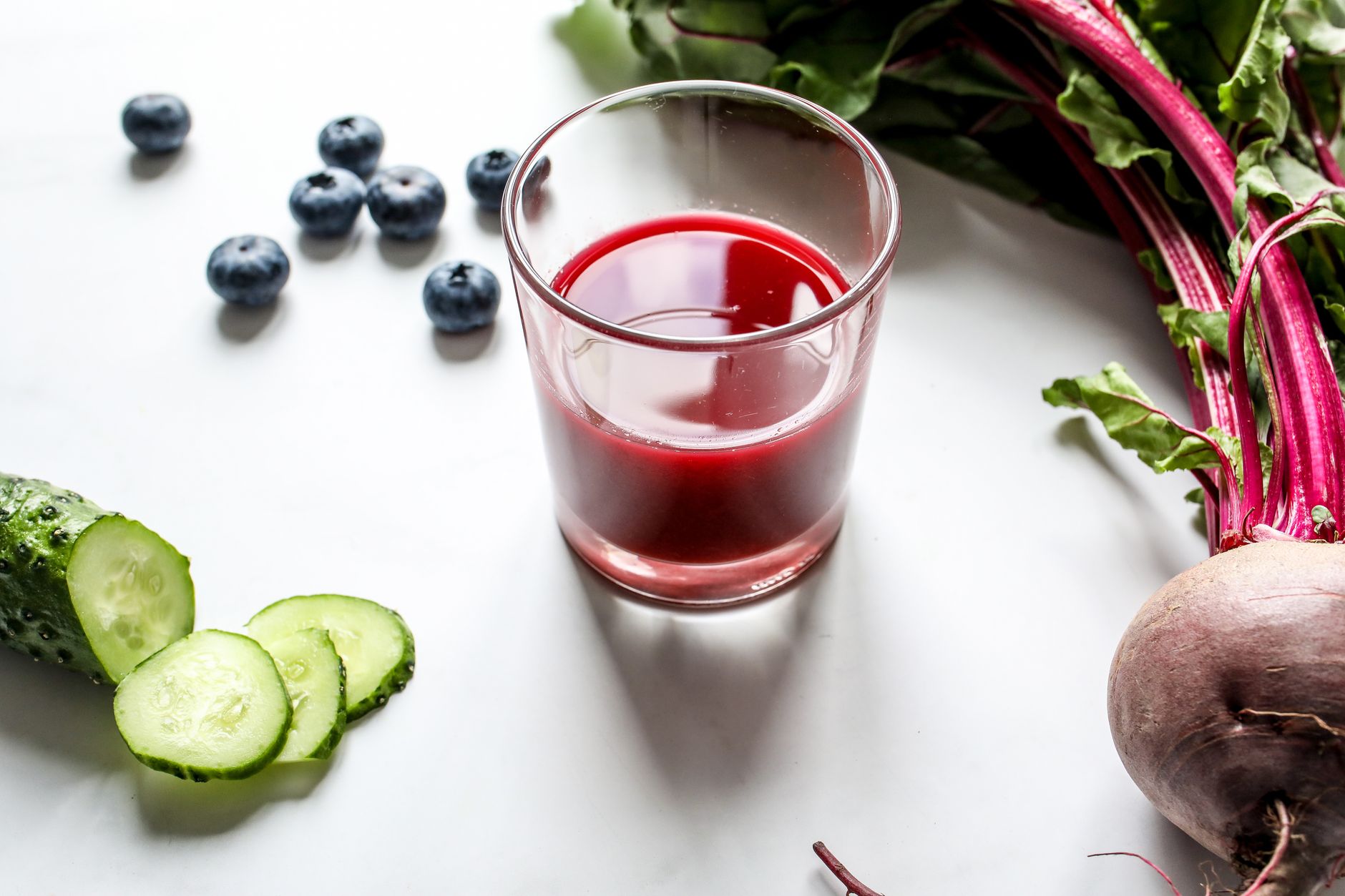
Beet leaves, often overlooked, can be a wonderful addition to your juicing repertoire. As the green tops of beetroots, they are packed with nutrients and have a unique flavor profile that can enhance various juice blends. This article will explore the benefits of juicing beet leaves, various methods for preparation, and creative ideas for incorporating them into your diet.
If you’re wondering whether you can juice beet leaves and how to do so effectively, you’ve come to the right place. Let’s dive into the many ways you can enjoy these leafy greens in your juicing habit.
Can You Juice Beet Leaves?
Yes, you can juice beet leaves! These greens are not only edible but also nutritious, providing an array of vitamins and minerals. Juicing them can yield delicious and vibrant juices that are both refreshing and healthful. They have a slightly earthy flavor, which can complement sweeter fruits and other vegetables in juicing combinations.
Understanding Beet Leaves: Characteristics and Nutritional Benefits
Beet leaves, or beet greens, are the leafy tops of beetroot plants. They are part of the Chenopodiaceae family and are often characterized by their vibrant green color, with sometimes deep red or purple veins running through the leaves.
Let’s delve into some of the key nutritional benefits of beet leaves:
- Rich in Nutrients: Beet leaves are high in vitamins A, C, and K, as well as several B vitamins. They also provide important minerals such as calcium, magnesium, and iron.
- Low in Calories: With very few calories, beet leaves can be an excellent addition to any diet, especially for those looking to maintain or lose weight.
- Antioxidant Properties: The leaves boast powerful antioxidants, which can help combat oxidative stress in the body.
- Promotes Healthy Digestion: Fiber present in beet leaves aids in digestion and can help promote gut health.
Preparing Beet Leaves for Juicing
Before juicing beet leaves, you should take some necessary preparation steps to ensure a clean and tasty juice.
Selection
When choosing beet leaves for juicing, look for fresh, vibrant leaves with no signs of wilting or yellowing. Younger leaves often have a more tender texture and milder flavor. If you have access to a farmer’s market, that is an excellent place to find fresh beet greens.
Cleaning
Begin by rinsing the beet leaves thoroughly to remove any dirt or grit. It’s best to soak them in water for a few minutes before rinsing under cool running water. After cleaning, pat them dry gently with a clean kitchen towel.
Removal of Stems
While the stems are also edible and nutritious, they can be tougher than the leaves. It’s a good idea to remove the thicker parts of the stems before juicing, especially if you want a smoother juice texture. Use a sharp knife to cut the stems away from the leaves.
Juicing Beet Leaves: Methods and Tips
There are several methods to juice beet leaves, each with unique advantages depending on your kitchen setup.
Using a Juicer
- Start by feeding the cleaned beet leaves into the juicer. You can alternate layers of beet leaves with softer fruits like apples or pears to make the process smoother.
- Juice at a slow speed to extract maximum liquid and nutrients.
- Collect the juice in a clean container and enjoy it immediately or store it for later.
Using a Blender
- Combine the beet leaves with some water in a blender. Generally, you will want about one cup of water for every two cups of beet leaves.
- Blend on high until smooth. If the mixture is too thick, add a little more water.
- Once blended, strain the mixture through a fine-mesh sieve or cheesecloth into a container to separate the pulp from the juice.
Using a Manual Juicer
- Chop the beet leaves into smaller pieces for easier handling.
- Place the chopped leaves into the manual juicer and press down to extract juice.
- Collect the juice and add it to your favorite juice mix.
Flavor Pairing Ideas for Beet Leaf Juice
Beet leaves have a distinct earthy flavor with a subtle bitterness. When juicing, consider pairing them with other ingredients to enhance the taste of your beverages.
- Citrus Fruits: Oranges, lemons, and limes can add bright acidity that balances the earthy notes of beet leaves.
- Sweet Fruits: Apples, pears, and pineapples bring sweetness that pairs well with the slight bitterness of beet greens.
- Root Vegetables: Carrots and ginger can add an interesting dimension of sweetness and warmth to your juice.
- Herbs: Fresh herbs like mint, parsley, or basil can elevate the flavor profile of your beet leaf juice.
Creative Ways to Use Beet Leaf Juice
By juicing beet leaves, you can unleash a variety of culinary possibilities in the kitchen.
Smoothies
Add beet leaf juice to your favorite smoothie recipe for an extra nutritional punch. Combine it with bananas, spinach, and a splash of coconut water for a refreshing blend.
Soups and Broths
Incorporate beet leaf juice into vegetable soups or broths. It can enhance the soup’s color and flavor profile while adding nutrients.
Salad Dressings
Create vibrant dressings by mixing beet leaf juice with olive oil, vinegar, and herbs. This is a unique way to enjoy the flavors of beets and their leaves.
Common Mistakes and Troubleshooting
When juicing beet leaves, it’s essential to avoid common pitfalls that may affect the quality of your juice.
- Using Wilted Leaves: Always use fresh beet leaves. Wilted greens can lead to a bitter taste and less appealing juice.
- Over-juicing: Avoid packing too many leaves into your juicer at once. This can hinder the juicing process and result in less juice.
- Neglecting Flavor Pairings: If you find the flavor too strong or bitter, balance it with sweeter fruits or citrus to improve the juice’s taste.
Storage and Reheating of Beet Leaf Juice
Freshly juiced beet leaves should be consumed as soon as possible to ensure optimal flavor and nutritional value.
Short-Term Storage
If you need to store your beet leaf juice, pour it into an airtight container and place it in the refrigerator for no more than 24-48 hours. Try to minimize exposure to air to prevent oxidation.
Long-Term Storage
If you want to save your beet leaf juice for a longer period, you can freeze it. Pour the juice into ice cube trays, freeze, and then transfer the cubes into a freezer-safe bag. This allows you to use smaller portions later on.
Exploring Alternatives: Other Leafy Greens to Juice
If you enjoy juicing beet leaves, you may want to explore other leafy greens that offer similar health benefits and flavors.
- Spinach: Mild in flavor, spinach is packed with nutrients and works well in both juices and smoothies.
- Kale: Known for its robust nutrition profile, kale provides a more earthy flavor that pairs nicely with fruits.
- Dandelion Greens: These have a more bitter taste than beet leaves but are also highly nutritious.
Final Thoughts on Juicing Beet Leaves
Incorporating beet leaves into your juicing routine can add a vibrant twist to your health regimen. Their availability and health benefits make them an excellent choice for any juicer.
Whether you blend them into smoothies, use them in soups, or enjoy them on their own, beet leaves can easily become a delightful and nutritious feature of your diet. Try juicing beet leaves using the methods outlined and explore their flavor potential!
If you’re looking for more exciting recipes or cooking tips, be sure to check out our guides on dandelion greens recipes and how long cooked ground beef is good in the fridge.