
Maintaining a healthy blood pressure level is crucial for overall well-being. While many people seek to lower their blood pressure, there are instances when it may be too low, leading to symptoms like dizziness, fatigue, and fainting. If you’re wondering, “What can I eat to raise my blood pressure?” you’ve come to the right place.
This guide will explore various foods and beverages that can help elevate low blood pressure levels. We’ll delve into dietary options, practical cooking tips, and meal planning strategies to effectively raise your blood pressure through diet. Whether you’re managing low blood pressure or just curious about your dietary choices, this comprehensive resource will equip you with the necessary knowledge.
What Can I Eat to Raise My Blood Pressure?
To raise your blood pressure effectively, it’s essential to incorporate foods that are higher in sodium and certain nutrients, along with adequate hydration. Sodium increases blood volume, which directly impacts blood pressure. Here are some food categories and specific items to consider:
Foods High in Sodium
Foods rich in sodium can help raise blood pressure quickly. Here are some options:
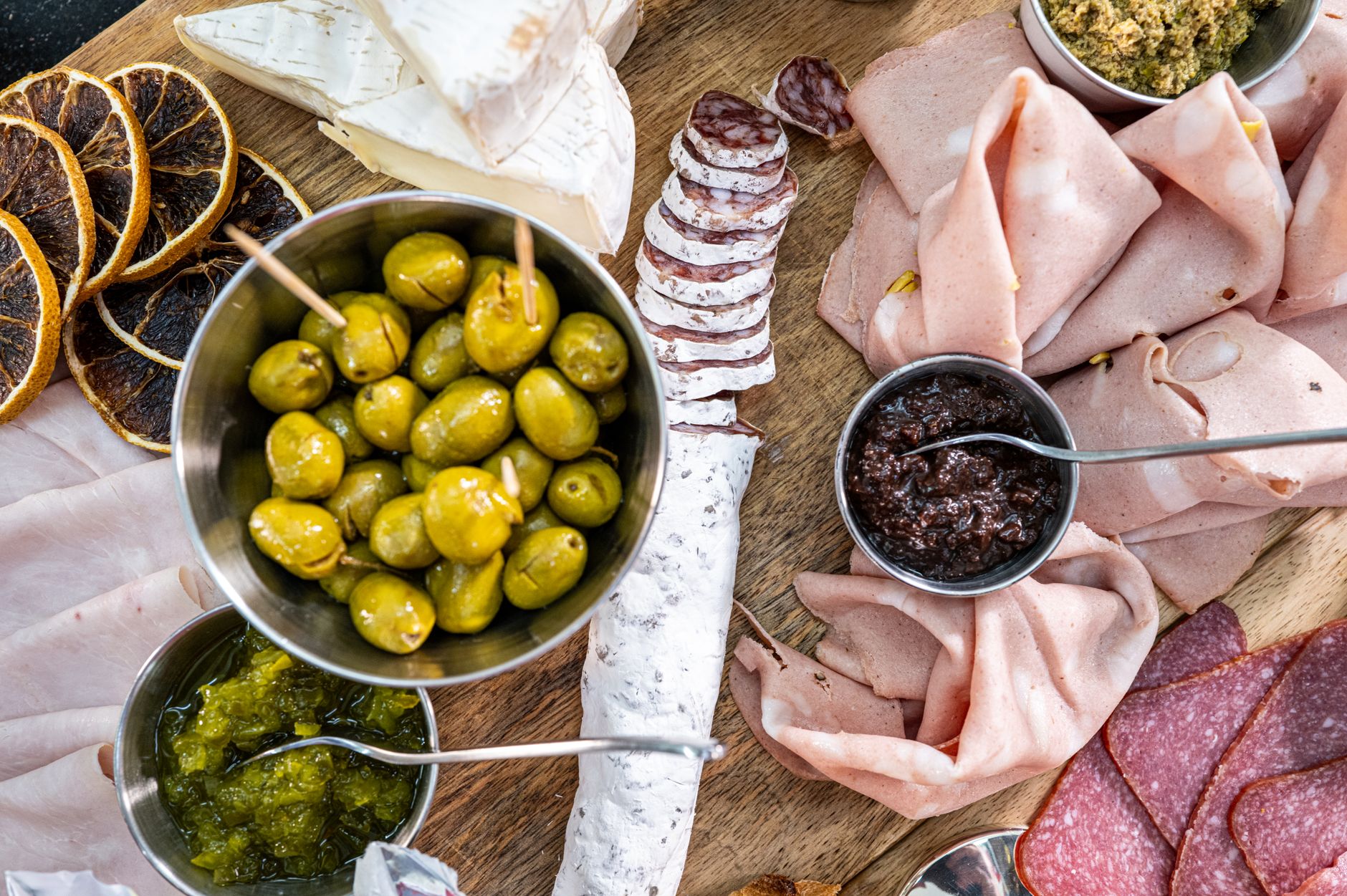
- Deli Meats: Ham, salami, and turkey are often high in sodium.
- Canned Soups: Opt for varieties that directly state sodium content, as they can vary widely.
- Pickled Vegetables: Sauerkraut, pickles, and olives are all excellent choices.
- Snack Foods: Pretzels and salted nuts are not only tasty but also packed with salt.
Quick Tips for Using Sodium
While sodium is effective for raising blood pressure, it’s crucial to balance it with other dietary elements to avoid health issues in the long run. Here are tips for integrating sodium into your meals:
- Mix salted nuts into your snack routine.
- Add olives as a garnish to salads or pizzas for added flavor and salt.
- Use canned soups as a base for homemade dishes, adding grains and extra vegetables while keeping an eye on sodium levels.
Hydration and Its Role
Dehydration can lead to lower blood pressure, making hydration essential. Drinking enough fluids, especially salty ones, can assist in raising blood pressure. Consider the following beverages:
- Electrolyte Drinks: Sports drinks contain sodium and can rehydrate effectively.
- Broth-based Soups: Chicken or vegetable broth is nutrient-rich and hydrating.
- Salty Snacks with Beverages: Pairing salty snacks with a cucumber or lemon-flavored water can enhance hydration.
Foods Rich in Minerals
Certain minerals can also support healthier blood pressure levels. Exploring foods that are rich in these minerals might be beneficial:
Potassium-Rich Foods
Potassium can help counteract the effects of sodium by regulating blood pressure. Foods high in potassium include:
- Sweet Potatoes: A nutritious source of potassium.
- Spinach: Packing a double punch, this leafy green is rich in potassium and iron.
- Bananas: A convenient snack that naturally boosts potassium levels.
Magnesium and Vitamin B12
Magnesium and vitamin B12 are also crucial for blood circulation and overall health. Consider the following:
- Nuts and Seeds: Almonds, cashews, and pumpkin seeds are excellent sources.
- Fortified Cereals: These often contain added vitamin B12, making breakfast more effective.
- Leafy Greens: Kale and cabbage also provide beneficial nutrients.
Meal Planning and Portions
Creating balanced meals that include foods to raise blood pressure requires thoughtful planning. Here’s a practical approach to meal planning with suggested portions:
Sample Meal Plan
- Breakfast: A spinach omelet with two eggs, cooked with feta cheese and a side of fortified orange juice.
- Snack: A serving of salted almonds or a banana.
- Lunch: A turkey and cheese sandwich on whole-grain bread, with a side of pickles.
- Snack: Pretzels or crackers paired with a glass of iced tea or lemonade.
- Dinner: Baked salmon seasoned with salt, served with baked sweet potatoes and steamed broccoli.
- Evening Snack: A bowl of broth-based soup with bread.
Portion Control
Including proper portion sizes ensures you’re consuming enough nutrients without going overboard on sodium. Here are some portion tips:
- Limit deli meats to 2-3 ounces per meal.
- A serving of pickles is typically 3-5 slices.
- Dry nuts should be limited to a small handful (about 1 ounce).
- For broth-based soups, aim for a cup to a cup and a half.
Cooking Techniques to Retain Nutrients
When preparing meals, it’s essential to choose cooking techniques that preserve the nutritional value while also keeping flavors enjoyable. Here are some recommended methods:
- Sautéing: This quick method helps retain nutrients while enhancing flavors. Use olive oil or butter to sauté vegetables.
- Steaming: A gentle way to cook vegetables without losing minerals. Use a steamer basket to keep them crisp.
- Baking: Ideal for proteins like chicken and fish, baking locks in moisture and flavor without the need for excessive oils.
Common Mistakes in Cooking
Even with the best intentions, some common mistakes can compromise meal quality:
- Overcooking vegetables can lead to nutrient loss.
- Adding sodium late in the cooking process may not provide an even flavor.
- Using excessive oil for sautéing can add unnecessary calories and fats.
Common Foods to Avoid
While focusing on foods to raise blood pressure, it’s essential to be aware of items that may lower it or worsen symptoms:
- Excessive quantities of caffeine can lead to fluctuations in blood pressure.
- High-carb meals can result in a drop in blood pressure, especially after eating.
- Low-salt and low-calorie food products may not provide the necessary nutrients.
Monitoring Your Blood Pressure
It’s vital to keep track of your blood pressure, especially when making dietary changes. Here are some strategies:
- Use a home blood pressure monitor to keep tabs on your levels.
- Maintain a food diary to record what you eat and how it impacts your readings.
- Consult a healthcare professional to ensure you’re on the right track.
When to Seek Medical Advice
If you consistently experience low blood pressure despite dietary changes, or if you’re experiencing severe symptoms such as fainting, it’s important to consult a healthcare provider. Professional guidance can help manage your condition safely and effectively.
Storage Tips for Ingredients
Proper storage of your ingredients is paramount for maintaining their quality and freshness:
- Store canned goods in a cool, dry place.
- Keep nuts refrigerated to prevent them from going rancid.
- Vegetables should be stored in the refrigerator crisper for optimal freshness.
- Monitor the expiration dates of packaged foods, especially those high in sodium.
Summary and Next Steps
Raising your blood pressure through diet involves incorporating the right foods, maintaining hydration, and cooking methods that enhance flavor without compromising nutrition. Focus on salty snacks, mineral-rich foods, and proper meal planning to support healthy blood pressure.
Consider starting a food diary and tracking your dietary intake as you incorporate these changes. Remember, if you’re facing persistent low blood pressure, don’t hesitate to reach out to a healthcare professional for assistance.
Explore other related topics on our blog for more tips, including meal planning ideas and comprehensive ingredient guides.