
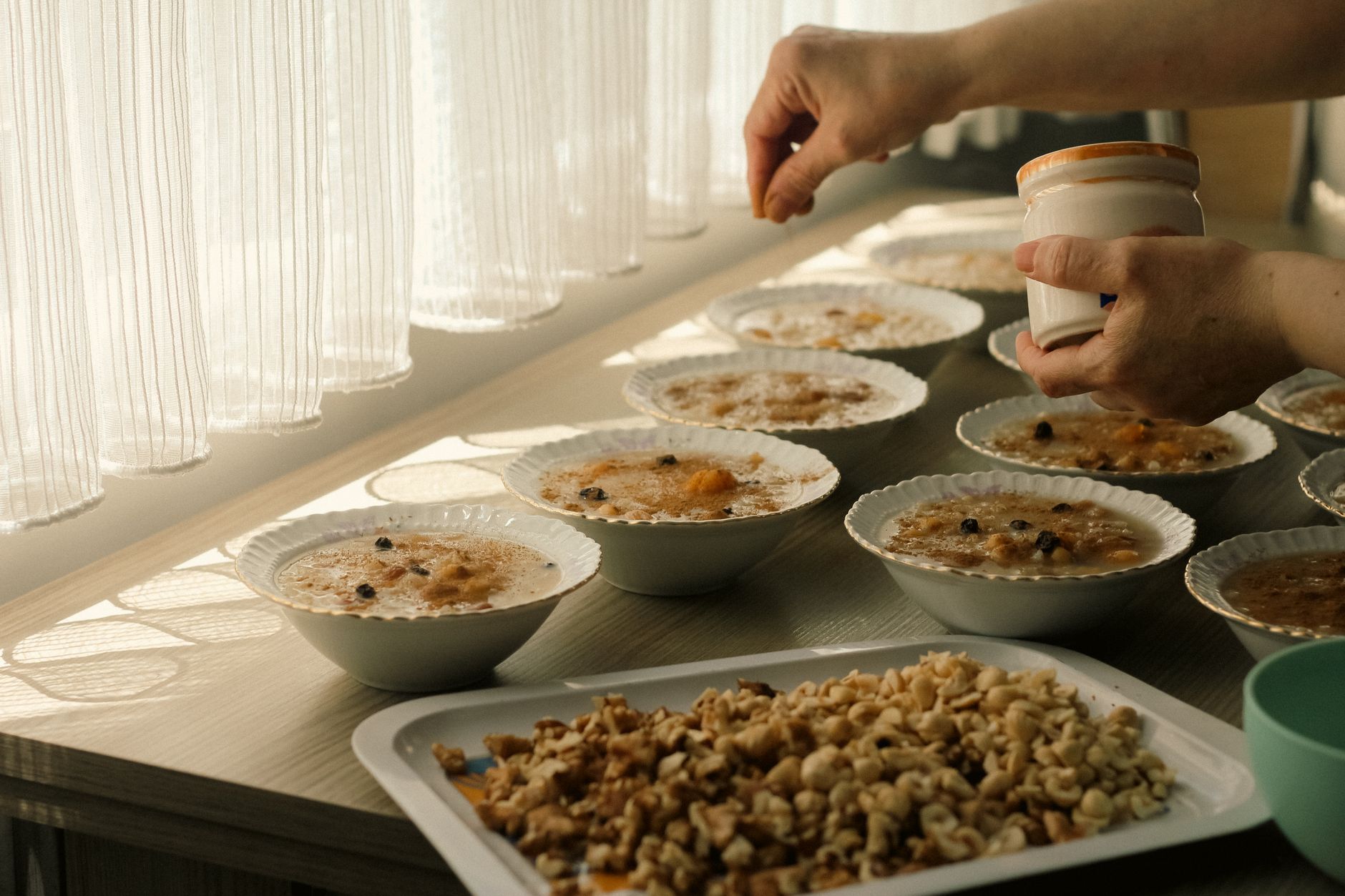
Oatmeal has established itself as a staple in many breakfast routines, known for its versatility and health benefits. However, those monitoring their carbohydrate intake might wonder, does oatmeal have carbs? The answer is yes, oatmeal does contain carbohydrates, but understanding how these carbs affect overall nutrition is key to making informed dietary choices.
This article will explore the carbohydrate content in oatmeal, its nutritional benefits, and how to incorporate oatmeal into your meals in a healthy way, whether you’re following a low-carb diet or simply want to enjoy a nutritious breakfast.
Does Oatmeal Have Carbs?
Yes, oatmeal does contain carbohydrates. A standard serving of cooked oatmeal, roughly 1 cup, has around 27 grams of carbohydrates. These carbs primarily come from starches and contain fiber, which contributes to its health benefits. Understanding the nuances of these carbohydrates can help illuminate their role in a balanced diet.
Understanding Carbohydrates in Oatmeal
Carbohydrates in foods can be categorized into two main types: simple and complex. Understanding these differences can help you make better choices in your diet.
Simple Carbohydrates
Simple carbohydrates consist of sugars that are quickly absorbed by the body. Foods high in simple carbs often lead to quick spikes in blood sugar levels. While oatmeal is not a high source of simple carbohydrates, it can contain natural sugars from added fruits or sweeteners.
Complex Carbohydrates
Complex carbohydrates, on the other hand, consist of longer chains of sugar molecules and typically provide more sustained energy. Oatmeal is primarily composed of complex carbohydrates, which are beneficial for providing energy over longer periods, making it ideal for breakfast or a midday snack.
Nutritional Breakdown of Oatmeal
To understand the benefits of oatmeal and how it fits into your diet, it’s essential to look at its nutritional makeup. Here’s a breakdown based on approximately 1 cup of cooked oatmeal:
| Nutritional Component | Amount per 1 Cup (Cooked) |
|---|---|
| Calories | 154 |
| Total Carbohydrates | 27 grams |
| Dietary Fiber | 4 grams |
| Sugars | 1 gram |
| Protein | 6 grams |
| Fat | 3 grams |
Each serving of oatmeal provides a balance of macronutrients that supports energy and overall health. It stands out due to its significant fiber content, which aids digestion and can lead to a feeling of fullness, helping to control appetite.
Benefits of Including Oatmeal in Your Diet
In addition to being a good source of carbohydrates, oatmeal offers numerous health benefits, making it a worthy inclusion in a balanced diet.
High in Fiber
Oatmeal is particularly rich in soluble fiber, specifically beta-glucan, which helps to lower cholesterol levels and improve heart health. A diet high in fiber can also promote digestive health and reduce the risk of key diseases.
Supports Weight Management
The fiber content in oatmeal contributes to a feeling of satiety. This can help control hunger levels and reduce the tendency to snack unnecessarily, supporting weight management efforts.
Rich in Nutrients
Oatmeal is loaded with vitamins and minerals such as manganese, phosphorus, magnesium, iron, and several B vitamins. These nutrients are essential for various bodily functions, including energy metabolism and bone health.
May Help Regulate Blood Sugar
Due to its low glycemic index, oatmeal can aid in regulating blood sugar levels. This makes it an excellent breakfast option for individuals with diabetes or those looking to improve their blood sugar control.
How to Incorporate Oatmeal into Your Meal Plan
Incorporating oatmeal into your daily meals doesn’t have to be monotonous. Here are some ideas for different ways to enjoy this nutritious grain.
Breakfast Bowls
Start your day with a hearty oatmeal bowl. Cook the oats according to package directions, and then top with a variety of ingredients:
- Fresh fruit: Bananas, berries, or apples for natural sweetness.
- Nuts or seeds: Almonds, walnuts, chia seeds, or flaxseeds for added texture and healthy fats.
- Spices: A dash of cinnamon or nutmeg can elevate the flavor significantly.
- Sweeteners: A little honey or maple syrup can sweeten if needed—but use sparingly.
Overnight Oats
If mornings are rushed, overnight oats are an excellent option. Simply combine rolled oats with yogurt or milk and let them sit overnight in the refrigerator. In the morning, add fruits, nuts, or a drizzle of honey for an instant breakfast.
Oatmeal Smoothies
For a quicker option, oatmeal can be added to smoothies. Blend together a half cup of oats with fruits, spinach, yogurt, and a splash of milk or a milk alternative for a nutritious on-the-go meal.
Baking with Oatmeal
Oatmeal can also be included in baked goods. Use oats in cookies, muffins, or bars to enhance texture and nutrition. For example, oatmeal cookies can be made with mashed bananas and Nut butter, yielding a healthy treat.
Choosing the Right Type of Oatmeal
Oatmeal comes in various forms, and understanding the differences can help you choose the one that works best for your lifestyle.
Instant Oats
These oats are pre-cooked and dried, making them quick to prepare. However, they often contain added sugars and fewer nutrients due to processing.
Rolled Oats
Rolled oats are steamed and then rolled flat. They cook fairly quickly and retain a good amount of their nutrients. These are a popular choice for traditional oatmeal recipes.
Steel-Cut Oats
Less processed than rolled or instant oats, steel-cut oats are whole oat groats that have been chopped. They take longer to cook and provide a chewier texture but are packed with nutrients.
Oat Flour
Made from ground oats, oat flour can be used as a gluten-free substitute in baking recipes. It contains all the benefits of oats while adding a pleasant texture to baked goods.
Practical Substitutions and Variations
If you are looking for alternatives or ways to modify your oatmeal dish, consider the following substitutions:
- For a creamier texture, substitute milk or nut milk in place of water when cooking.
- Use almond or coconut flour instead of regular flour for baking that includes oats, helping to keep the dish gluten-free.
- The addition of Greek yogurt can enhance protein content in oatmeal bowls while providing creaminess.
Common Mistakes to Avoid with Oatmeal
When preparing oatmeal, a few common pitfalls can detract from the overall experience:
Not Adding Enough Water
The water-to-oat ratio is essential for achieving the right consistency. Too little water can lead to dry, clumpy oats.
Overcooking
Each type of oatmeal has a different cooking time. Overcooking can lead to mushy oats, so be attentive during the cooking process.
Relying Too Heavily on Sweeteners
Many people add excessive sugar, syrup, or honey, which can overshadow the natural flavors of the oats. Consider adding fruits for natural sweetness instead.
Storage and Reheating Guidelines
If you make oatmeal in bulk, storing it properly will ensure it remains fresh. Here are some tips:
Storage
- Cooked oatmeal can be stored in an airtight container in the refrigerator for up to 4 days.
- For longer storage, freeze cooked oatmeal in individual portions for up to 3 months. Thaw overnight in the refrigerator before reheating.
Reheating
When reheating oatmeal, add a splash of water or milk and microwave until warm. Stir occasionally to prevent hot spots.
Conclusion
Oatmeal is a versatile and nutritious food that is rich in carbohydrates, particularly complex carbohydrates that provide sustained energy. By understanding its nutritional content and incorporating it in various ways, you can enjoy all the health benefits oatmeal has to offer. Whether in a breakfast bowl, overnight oats, or as part of a baking recipe, oatmeal can easily fit into a healthy meal plan.
Explore related recipes and cooking tips to further enhance your culinary repertoire, such as our chia pudding recipe or protein granola recipe to complement your breakfast routine!