
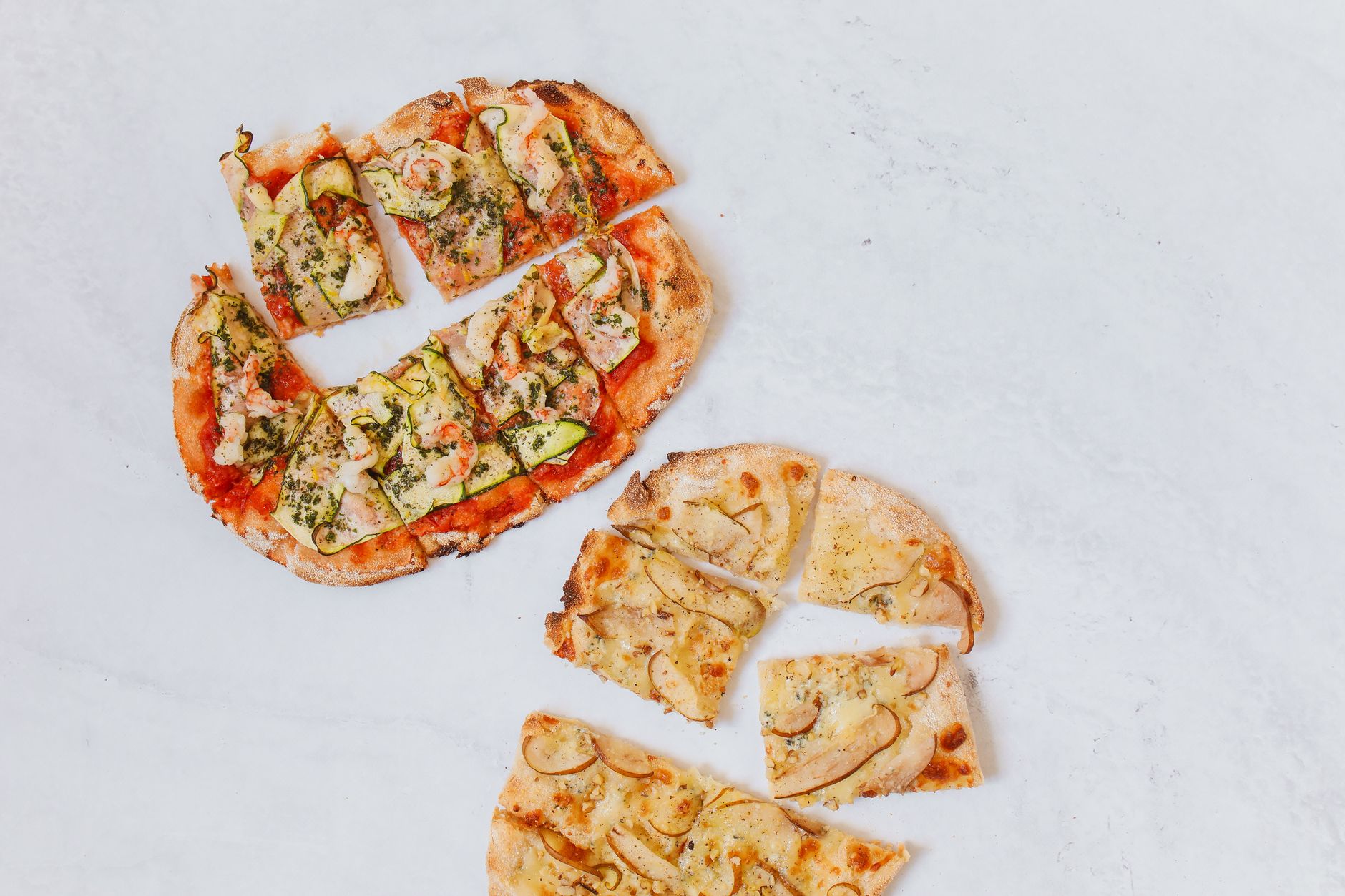
Freezing pizza can be a convenient way to make meals easy and accessible without sacrificing taste or quality. Whether you want to preserve homemade pizza, leftovers from a takeout night, or store-bought options, understanding the right techniques for freezing and reheating can enhance your dining experience. In this article, we’ll explore how to properly freeze pizza, the best practices for thawing, and helpful tips to ensure your pizza tastes just as good as when it was made fresh.
Freezing pizza not only helps reduce food waste but also allows you to stock up delicious meals that can be quickly reheated when you’re short on time. This guide covers various types of pizza, from classic cheese to more elaborate homemade varieties, ensuring that no slice goes to waste.
Can You Freeze Pizza?
Yes, you can freeze pizza successfully, and it’s a popular method for preserving both homemade and store-bought varieties. The key is to ensure that the pizza is prepared and packaged correctly to maintain quality upon reheating.
Why Freeze Pizza?
There are several reasons to consider freezing pizza:
- Convenience: Having frozen pizza ready to go means less time spent cooking on busy nights.
- Preventing waste: Freezing leftover pizza ensures it doesn’t go bad in your fridge.
- Meal planning: Stocking up on frozen pizza allows for easier meal prep and planning.
- Cost-effective: Purchasing and freezing pizza when on sale can save you money.
Types of Pizza You Can Freeze
Most types of pizza freeze well, but some may retain quality better than others. Here are a few popular varieties:
- Homemade Pizza: Freshly made pizza from scratch can be frozen with great success.
- Store-Bought Pizza: Both frozen pizzas and leftover takeout can be frozen again.
- Neapolitan Pizza: Authentic thin-crust pizzas freeze well if wrapped properly.
- Chicago Deep-Dish Pizza: Thick crust pizzas can also be frozen but ensure that the crust is fully cooked to avoid sogginess.
How to Freeze Pizza
Freezing pizza involves a few straightforward steps to ensure you preserve its flavor and texture. Proper technique is essential for optimal results. Here’s a step-by-step guide:
Step 1: Cool the Pizza
Before freezing, let your pizza cool down to room temperature. This helps minimize condensation, which can lead to freezer burn.
Step 2: Pre-slice the Pizza
Consider slicing the pizza into portions to make it easier to thaw and reheat later. This way, you can take out only what you need.
Step 3: Wrap it Up
Use plastic wrap or aluminum foil to tightly wrap each slice or the whole pizza. Ensure there are no exposed areas, as air contact can lead to freezer burn.
Step 4: Use Airtight Containers
For additional protection, place the wrapped pizza slices in airtight containers or freezer bags. Remove as much air as possible before sealing.
Step 5: Label and Date
Label your containers or bags with the date and contents. This helps you keep track of how long it has been in the freezer.
Best Practices for Freezing Pizza
Adopting certain best practices can ensure that your frozen pizza retains its freshness:
- Freeze pizza as soon as possible after cooking or when it’s fresh to preserve quality.
- Avoid freezing pizza with excessive toppings, as they can lead to a mushy texture when reheated.
- Use a vacuum sealer if possible, as it removes air and protects against freezer burn more effectively.
- If you plan to freeze homemade pizza before baking, simply follow the same wrapping and storage process.
How Long Can You Freeze Pizza?
Pizza can generally be safely frozen for 1 to 2 months while maintaining optimal quality. After this period, it may still be safe to eat, but texture and flavor may degrade. To ensure the best quality, use older pizza first.
Thawing Frozen Pizza
Thawing your pizza correctly is just as important as how it was frozen. Here are the methods for thawing pizza:
Refrigerator Thawing
The best way to thaw pizza is to transfer it from the freezer to the refrigerator a few hours or overnight before you plan to reheat it. This allows for a safer and more even thaw.
Countertop Thawing
If you are short on time, you can thaw pizza on the countertop. Just ensure that it doesn’t sit out for more than two hours to reduce the risk of bacterial growth.
Baking from Frozen
You can also bake your pizza directly from the freezer without thawing. This option is convenient and often yields a crispier crust.
How to Reheat Frozen Pizza
Reheating frozen pizza can be done using several methods, each offering distinct advantages. Here’s how to do it:
Oven Method
- Preheat the oven to 375°F (190°C).
- Remove any packaging and place the pizza on a baking sheet or directly on the oven rack for a crispier crust.
- Bake for 10 to 15 minutes, or until the cheese is bubbly and the crust is hot. A food thermometer should read at least 165°F (74°C) at the center.
Skillet Method
- Heat a non-stick skillet over medium heat.
- Add the frozen pizza and cover with a lid to help with melting the cheese.
- Cook for about 8-10 minutes until the crust is crisp and the cheese melts.
Microwave Method
- Place the frozen pizza on a microwave-safe plate.
- Microwave on high for 1-2 minutes. Cooking time may vary based on your microwave wattage.
- For a crispier crust, consider following up with a few minutes in the oven.
Common Mistakes When Freezing and Reheating Pizza
A few common pitfalls can diminish your pizza experience. Here are some mistakes to avoid:
- Not cooling the pizza first: Skipping this step can lead to condensation and freezer burn.
- Freezing pizza in paper products: Avoid using materials that aren’t airtight as they don’t protect against freezer burn.
- Overloading with toppings: Too many toppings can lead to soggy pizza.
- Failing to preheat properly: Ensure your oven is at the right temperature for best results when reheating.
Practical Variations and Substitutions
When it comes to pizza, the toppings and crusts can vary widely. Here are some suggestions for variations that still freeze well:
- Crust variations: Consider using cauliflower, gluten-free, or whole wheat crust options that can also be frozen.
- Cheese substitutions: Vegan cheese, goat cheese, or other non-dairy options can be used for dietary preferences.
- Toppings variations: Fresh vegetables can be used, but they should be blanched before freezing to maintain texture.
Conclusion
Freezing pizza can be a smart way to manage meals in your kitchen, ensuring that leftovers or homemade creations do not go to waste. With careful wrapping, proper storage, and reheating techniques, you can enjoy your favorite pizza flavors any time, straight from the freezer.
Explore more ways to simplify your meal preparation by checking out our guides on pumpkin pie freezing and other creative recipes like pizza rustica. Having reliable resources at your fingertips takes the stress out of meal planning!