
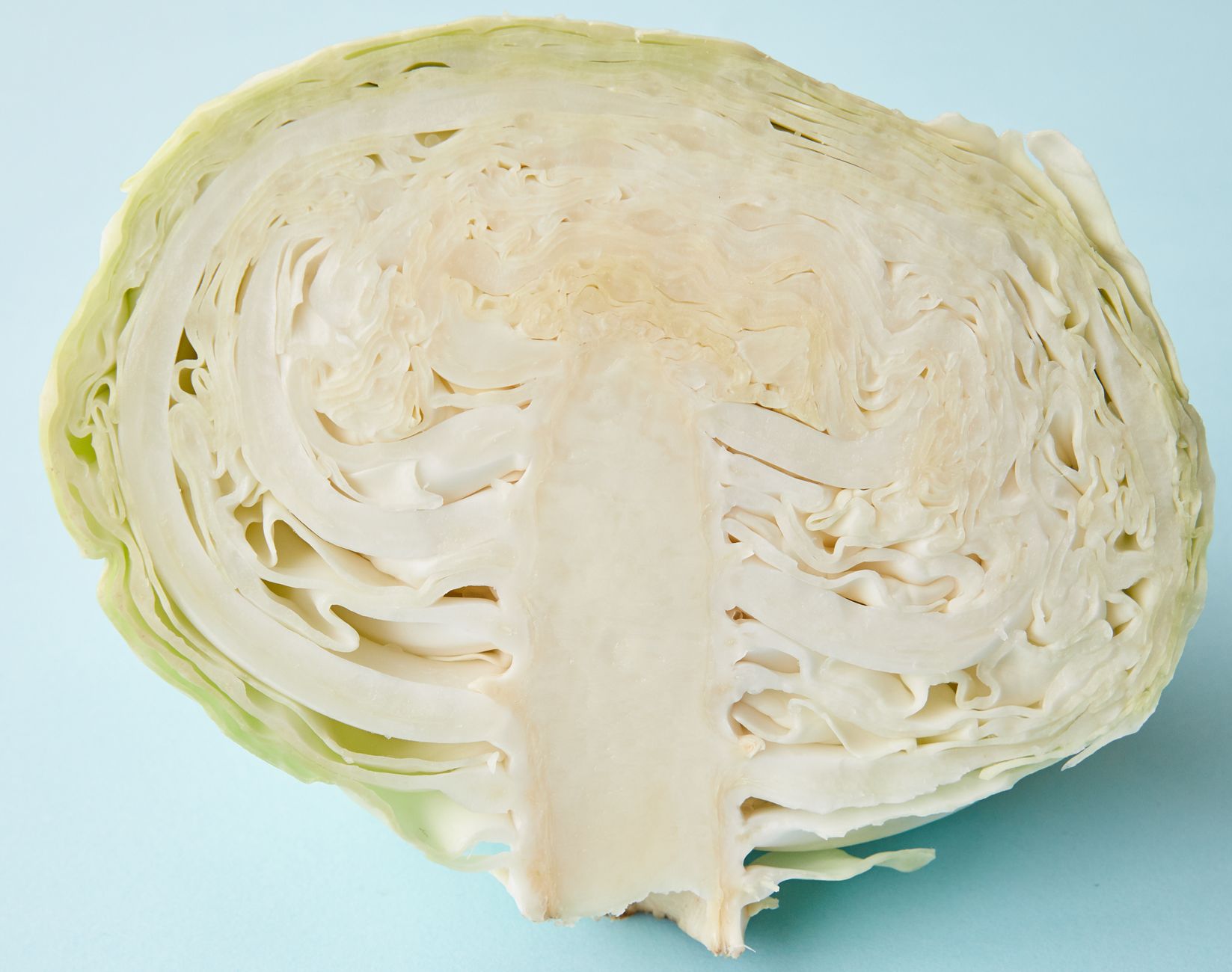
Cabbage is a versatile vegetable with a crisp texture and mild flavor, perfect for salads, stir-fries, and soups. If you’ve found yourself with an abundance of raw cabbage, you might wonder, “Can you freeze cabbage raw?” This article provides detailed information about freezing raw cabbage, how to store it properly, and the best practices for thawing and using it later.
While the answer is yes, you can freeze cabbage raw, it’s important to understand that it may not retain its original crispness or texture after thawing. The best way to preserve the quality of cabbage is to blanch it before freezing. This process helps to retain color, flavor, and nutritional value. In this article, we’ll discuss the steps you should take to freeze raw cabbage, thaw it effectively, and provide tips on how to use it in various dishes.
Can You Freeze Cabbage Raw?
Yes, you can freeze cabbage raw, but it is generally recommended to blanch it first. Blanching helps to neutralize enzymes that can cause loss of flavor, color, and texture during storage. Freezing raw cabbage without blanching may lead to a mushy texture once thawed, making it less appealing for certain dishes.
What Happens When You Freeze Cabbage Raw?
When you freeze cabbage raw, the water content inside the leaves expands as it freezes. This expansion can damage the cell walls, resulting in a softer texture when thawed. Without blanching, the enzymes present in raw cabbage continue to act, potentially degrading its quality over time. Blanching halts this process, keeping the cabbage fresher for a longer period.
Choosing the Right Cabbage for Freezing
Before freezing cabbage, it’s crucial to select the right type. Here are some tips on choosing the best heads of cabbage for freezing:
- Freshness: Choose firm heads of organic cabbage free from blemishes or soft spots.
- Types: Both green and red cabbages can be frozen, although red cabbage may lose some of its vibrant color.
- Size: Medium-sized heads are preferable as they can be used up more easily after thawing.
Preparing Cabbage for Freezing
Preparation is key when it comes to freezing cabbage effectively. Follow these steps to prepare your cabbage:
- Cleaning: Rinse the cabbage under cool running water to remove dirt and debris.
- Trimming: Remove any damaged or wilted outer leaves and cut the cabbage into quarters.
- Core Removal: Cut out the core of each quarter using a sharp knife.
- Cut into Strips or Shreds: Depending on how you plan to use the cabbage later, cut it into strips or shred it into smaller pieces.
Blanching Cabbage Before Freezing
Blanching cabbage helps to maintain its color and texture. Here’s how to do it:
- Boil Water: Fill a large pot with water and bring it to a rolling boil. You’ll need about one gallon of water for every pound of cabbage.
- Add Cabbage: Carefully add the cabbage pieces, ensuring they are fully submerged in the boiling water.
- Blanching Time: Blanch the cabbage for 2-3 minutes. The timing may vary slightly based on the size of the pieces; smaller pieces should be blanched for closer to 2 minutes.
- Ice Bath: After blanching, immediately transfer the cabbage to a bowl of ice water to stop the cooking process. Keep it submerged for at least 5 minutes.
- Draining: Once cool, drain the cabbage in a colander to remove excess water.
Freezing Cabbage: Storage Techniques
Once blanched and cooled, you can proceed to freeze the cabbage. Here are the steps to ensure quality during freezing:
- Portioning: Divide the cabbage into portions that match your typical usage. This way, you won’t have to thaw more than you need.
- Packing: Place the cabbage in freezer-safe bags or airtight containers. Remove as much air as possible to prevent freezer burn.
- Labeling: Clearly label each bag or container with the date and contents for easy identification later.
- Freezing: Lay bags flat in the freezer when possible; this helps them freeze more evenly and allows for easy stacking.
How Long Can Cabbage Be Frozen?
Frozen cabbage can maintain its best quality for around 10-12 months in ideal conditions. While it remains safe to eat beyond this period, the texture and flavor may begin to deteriorate. Always check for freezer burn or changes in texture when thawing cabbage that has been stored longer.
Thawing Frozen Cabbage
Thawing cabbage can require some care to retain its texture and flavor. Here are effective thawing methods:
- Refrigerator Thawing: The best option is to transfer the frozen cabbage to the refrigerator and let it thaw overnight.
- Cold Water Thawing: If you need it quicker, submerge the sealed bag of cabbage in cold water for about 1-2 hours, changing the water if necessary.
- Cooking Directly: You can also cook frozen cabbage directly in stir-fries or soups without thawing. Just add a few extra minutes to the cooking time.
Using Thawed Cabbage
Once thawed, cabbage can be used in various dishes. Here are some popular options:
- Stir-Fries: Add thawed cabbage to stir-fries for a nutrient boost.
- Soups & Stews: Use it in hearty soups and stews where texture is less of a concern.
- Casseroles: Incorporate thawed cabbage in casserole dishes along with other vegetables and proteins.
- Spring Rolls: Thawed cabbage can be used as a filling for homemade spring rolls.
Common Mistakes When Freezing Cabbage
To achieve the best results when freezing cabbage, avoid these common pitfalls:
- Skipping Blanching: Neglecting to blanch can lead to poor texture and flavor.
- Inadequate Cooling: Failing to cool cabbage properly can lead to overcooking.
- Freezing Whole Heads: Freezing entire heads can make it hard to thaw and use later.
- Not Drying Completely: Excess moisture in bags can cause freezer burn.
Practical Storage Tips for Frozen Cabbage
Properly storing frozen cabbage is essential. Here are some practical tips to consider:
- Air Removal: Use a vacuum sealer for optimal air removal if you plan to store it for an extended period.
- Storing Location: Keep the cabbage in the back of the freezer where temperatures are more consistent.
- Organization: Use a labeling system for freezer items. A first-in, first-out (FIFO) system is useful for preventing wasted food.
Conclusion: Enjoying Cabbage Year-Round
Freezing cabbage allows you to enjoy this nutritious vegetable long after its harvest. While you can freeze it raw, blanching is the best way to preserve its quality. Proper storage and thawing techniques ensure you can add cabbage to your meals with great flavor and texture. For recipes to explore with cabbage, consider checking out our cabbage boil recipe or our delightful sautéed cabbage recipe.