
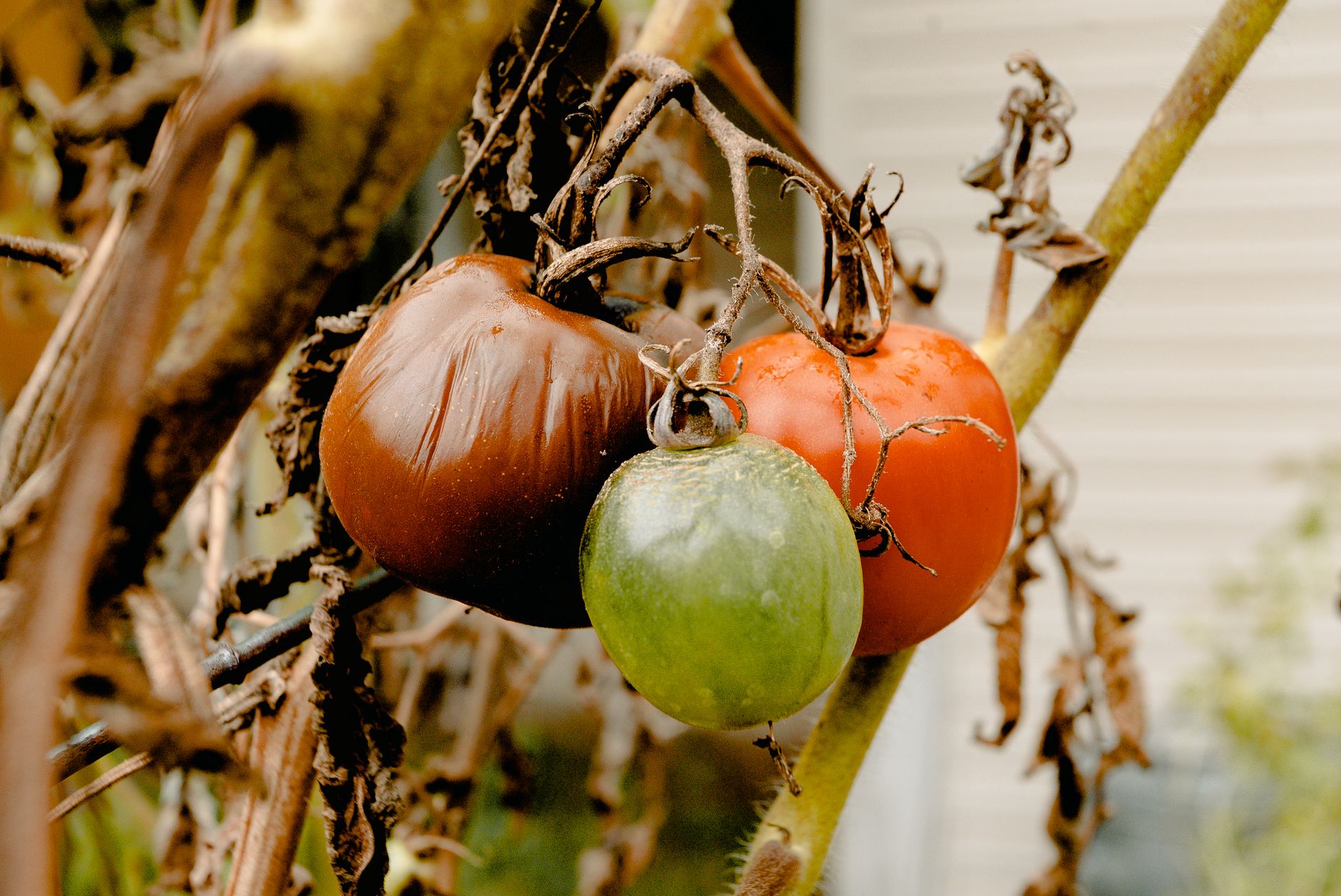
Tomatoes are a staple in many kitchens, prized for their flavor, versatility, and nutritional benefits. However, if your tomato plants have been affected by blight, you might be wondering whether it’s safe to consume them. Understanding what blight is and how it affects tomatoes is crucial before deciding to use them in your meals.
This article will explore the different stages of blight, how to identify affected tomatoes, and what you can do with them in the kitchen. We’ll also provide practical meal ideas to help you make the most of your harvest, even if some tomatoes have been compromised.
Can You Eat Tomatoes With Blight?
Yes, you can eat tomatoes with blight, but caution is advised. If the blight has only slightly affected the tomato, you may be able to cut away the damaged parts and use the rest. However, if the blight has advanced significantly and affected the firmness and quality of the fruit, it is best to discard those tomatoes to avoid any potential health risks.
Understanding Blight in Tomatoes
Blight is a fungal disease that affects various plants, particularly tomatoes and potatoes. There are two main types of blight: early blight (Alternaria solani) and late blight (Phytophthora infestans). Early blight typically appears first on older leaves, while late blight can devastate entire crops. Both types display similar symptoms but have different management strategies.
Symptoms of Blight
Recognizing blight is essential for managing its spread. Here are some common symptoms:
- Early Blight: Dark, concentric rings on lower leaves; yellowing of foliage; browning and withering of leaves.
- Late Blight: Water-soaked, greasy spots on leaves; sudden wilting; white mold on stems and leaves.
If your tomatoes show any of these symptoms, inspect closely to determine the severity of the infection. Healthy tomatoes can still be eaten if you cut out the affected areas.
Impacts of Blight on Tomato Quality
Blight can affect the quality of tomatoes by reducing their flavor, texture, and storage lifespan. Tomatoes that look wilted or have soft spots may not be suitable for consumption, while those with minor blemishes can often be salvaged.
How to Handle Tomatoes Affected by Blight
When dealing with blight-affected tomatoes, the first step is to assess the damage. Here’s a guide on how to handle them safely:
1. Inspect the Tomatoes
Look closely at each tomato for signs of blight. Healthy tomatoes should be firm, free of significant discoloration, and lacking soft spots. Cut off any blemished parts carefully.
2. Clean Your Tools
Using clean knives and cutting boards helps prevent spreading spores. After cutting, wash your hands and tools thoroughly.
3. Wash the Tomatoes
Rinse the tomatoes under cool running water to remove any dirt or pathogens that may be present.
4. Decide on Use
If the tomatoes are still firm and not overly damaged, you can use them in various recipes. However, if they are mushy, discard them.
Meal Ideas for Using Blight-Affected Tomatoes
Even if your tomatoes have been affected by blight, they are still usable in many dishes. Here are some meal ideas:
1. Tomato Sauce
Making a tomato sauce is a fantastic way to utilize slightly damaged tomatoes. The cooking process eliminates any lingering pathogens. Here’s how to create a basic tomato sauce:
- Ingredients:
- 2 pounds of tomatoes
- 1 onion, chopped
- 3 cloves garlic, minced
- 2 tablespoons olive oil
- 1 teaspoon salt
- 1/2 teaspoon black pepper
- Fresh basil and oregano (to taste)
- Start by peeling and chopping the tomatoes. You can blanch them briefly in boiling water to make peeling easier.
- In a large saucepan, heat the olive oil over medium heat. Add the onions and garlic, sautéing until fragrant.
- Add the chopped tomatoes, salt, and pepper. Bring to a simmer and allow to cook for about 30 minutes, stirring occasionally.
- Once the sauce thickens, add the herbs to taste and adjust seasoning as needed.
This sauce can be used with pasta, on pizza, or as a base for soups.
2. Salads
For tomatoes with minor blemishes, consider incorporating them into salads where they will be chopped, slightly masked by other flavors. A simple tomato salad with fresh herbs and mozzarella is an excellent option:
- Ingredients:
- 3 medium tomatoes, chopped
- 8 ounces fresh mozzarella, cubed
- 1/4 cup fresh basil, torn
- 2 tablespoons balsamic vinegar
- 1 tablespoon olive oil
- Salt and pepper to taste
- Combine the tomatoes, mozzarella, and basil in a large bowl.
- Drizzle with olive oil and balsamic vinegar, then season with salt and pepper.
- Toss gently to combine, and serve immediately.
3. Soups
Tomatoes are a key ingredient in many soups, especially classic tomato soup. You can easily modify a standard recipe to use slightly damaged tomatoes:
- Ingredients:
- 4 cups chopped tomatoes
- 1 onion, chopped
- 2 cloves garlic, minced
- 4 cups vegetable or chicken stock
- 2 tablespoons olive oil
- Salt and pepper to taste
- Cream or milk (optional, for creaminess)
- Heat olive oil in a pot over medium heat. Add the onion and garlic, sautéing until translucent.
- Add the chopped tomatoes, cook for another 5-7 minutes.
- Pour in the stock, then bring to a boil. Reduce heat and simmer for 20 minutes.
- Blend until smooth and stir in cream or milk, if desired. Season with salt and pepper.
4. Canning and Preserving
If you have many tomatoes affected by blight, consider canning them. While it’s essential to discard tomatoes that are overly soft, canning salvaged ones can help you preserve their flavor:
- Basic Canned Tomatoes Ingredients:
- Fresh tomatoes (enough to fill jars)
- 2 tablespoons lemon juice per jar
- Optional: salt, herbs, or spices
- Prepare jars and lids according to canning procedures. Sterilize the jars in boiling water.
- Fill each jar with prepared tomatoes, ensuring to leave headspace.
- Add two tablespoons of lemon juice to each jar.
- Seal jars and process them in a pressure canner or boiling water bath, following safety guidelines.
Storing Your Tomatoes
Correct storage of both fresh and cooked tomatoes can extend their shelf life. Here are essential tips:
Fresh Tomatoes
- Store unblemished tomatoes at room temperature, away from direct sunlight.
- If you must refrigerate them, use them promptly, as cold temperatures can alter their taste and texture.
Cooked Tomatoes
- Store any leftover cooked tomato dishes in an airtight container in the refrigerator. They can typically be kept for about three days.
- For longer storage, consider freezing cooked tomato dishes. Be sure to cool them completely before transferring them to freezer-safe containers.
Safety Considerations When Using Blighted Tomatoes
While salvaging tomatoes that are affected by blight can be beneficial, it’s essential to be aware of certain safety precautions to ensure that you do not compromise your health:
- Always inspect tomatoes closely for any signs of mold or decay.
- When in doubt, discard any tomatoes that look too far gone.
- Properly sanitize all tools and surfaces after handling blighted produce.
Conclusion
Tomatoes with blight can often still be used in the kitchen, provided that they are not severely damaged. By carefully inspecting and utilizing these tomatoes in sauces, soups, salads, or even for canning, you can minimize waste and enjoy the flavors of your harvest. Always prioritize safety, and when in doubt, opt for healthy alternatives.
For delicious recipes using tomatoes, check out our Tomato Gravy Recipe and learn how to make fresh tomato juice with our Tomato Juice Recipe.