
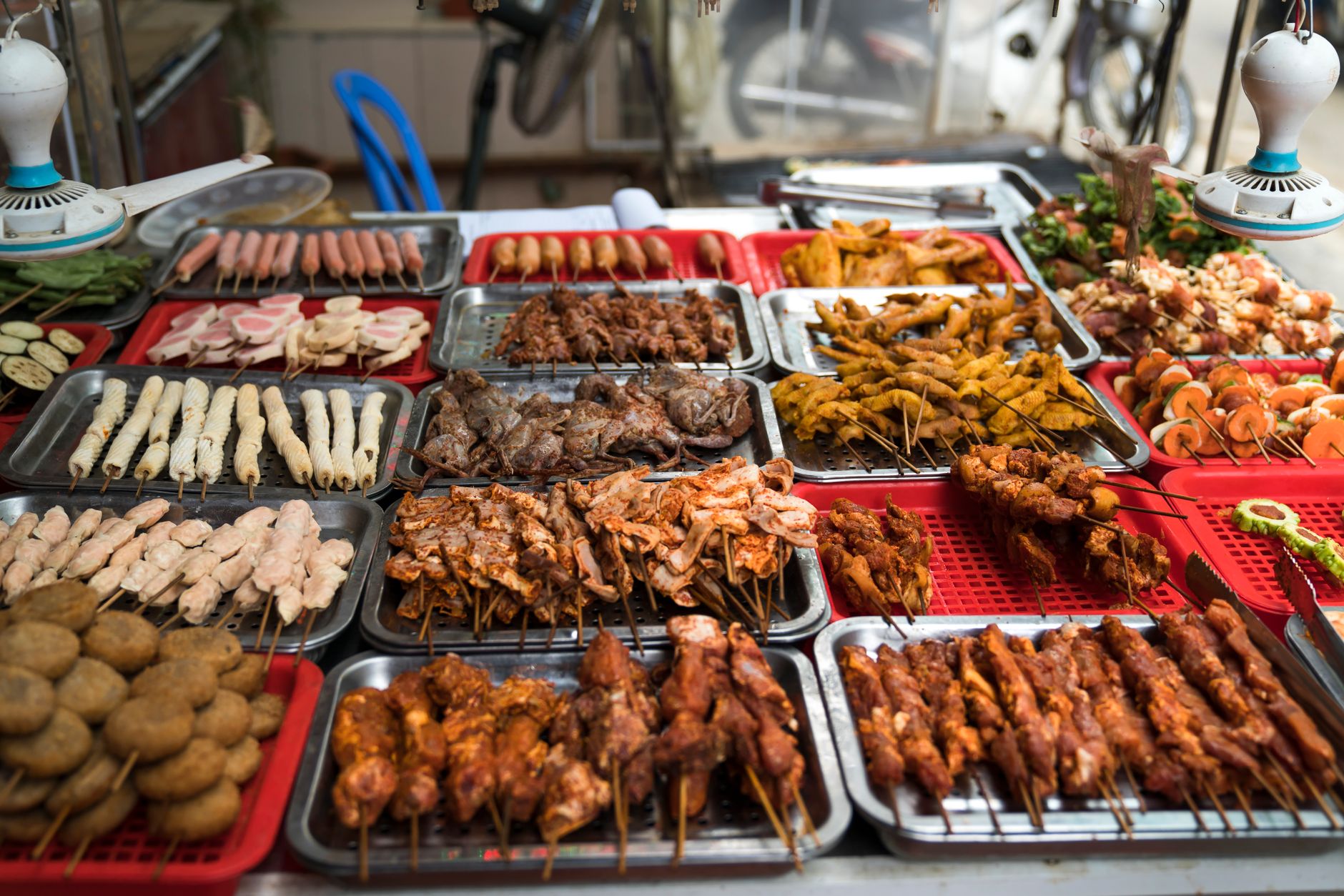
Pregnancy often prompts numerous questions about diet and nutrition, and one frequent query is whether it is safe to consume meat sticks. These convenient, protein-packed snacks are popular for their portability and flavor, but they raise valid concerns for expectant mothers regarding food safety and nutritional quality.
This article will explore the safety of eating meat sticks while pregnant, focusing on health considerations, potential risks, and guidelines for consumption. We will also provide insights into choosing the right type of meat sticks and practical tips for integrating them into a balanced diet during pregnancy.
Can You Eat Meat Sticks While Pregnant?
Yes, you can eat meat sticks while pregnant, but it is crucial to choose safe options and consume them in moderation. Pregnant women should be mindful of food safety, nutritional value, and the presence of certain additives in processed meats, so awareness of what meat sticks contain is essential.
Understanding Meat Sticks: What Are They?
Meat sticks, often referred to as meat snacks or jerky sticks, are typically made from various types of meat, including beef, chicken, turkey, and pork. These snacks are seasoned, smoked, and often dried to enhance flavor and extend shelf life. Due to their high protein content and convenient packaging, meat sticks have gained popularity as a quick snack option.
While meat sticks can be a flavorful snack, it is important to understand their nutritional profile, particularly during pregnancy.
Nutritional Considerations for Pregnant Women
During pregnancy, a woman’s nutritional needs increase significantly. Adequate protein intake is vital for fetal growth and development. It’s also essential to consume nutrition that meets increased vitamin and mineral needs. Here’s a breakdown of considerations when evaluating meat sticks:
- Protein: Meat sticks can provide a concentrated source of protein, which is important as protein helps with the growth of the baby’s tissues, including the brain and muscles.
- Fat Content: Some meat sticks can be high in saturated fats. It is important to monitor fat intake during pregnancy for heart health and weight management.
- Sodium: Many meat sticks are highly processed and can contain excessive sodium. High sodium intake can lead to complications such as high blood pressure, which is particularly concerning during pregnancy.
- Additives and Preservatives: Look out for meat sticks that contain nitrates or nitrites, which are often used as preservatives. Some studies suggest that these may not be ideal for pregnant women.
Health Risks Associated with Eating Meat Sticks During Pregnancy
While meat sticks can be consumed, it’s essential to be aware of potential health risks associated with them:
- Foodborne Illness: Pregnant women are at a higher risk of foodborne illnesses, which can be caused by bacteria such as Listeria, Salmonella, or E. coli. These bacteria can be found in improperly cooked or processed meat. Always ensure that meat sticks are from reputable sources and are fully cooked.
- Nitrite Exposure: As mentioned earlier, the presence of nitrates and nitrites in some processed meats may pose risks during pregnancy. Opting for nitrate-free or organic varieties can mitigate this risk.
- High Sodium Levels: Excessive sodium can contribute to pregnancy-related hypertension and possible complications. Reading labels to check for sodium content is key.
How to Choose Safe Meat Sticks
To ensure safety and health while enjoying meat sticks during pregnancy, consider the following tips when selecting your snacks:
- Check the Label: Always read ingredient lists. Look for meat sticks that are free from preservatives like nitrites and nitrates and those with less than 200 mg of sodium per serving when possible.
- Opt for Lean Meats: Choose sticks made from lean meats such as turkey or chicken over those made from fatty cuts of beef or pork.
- Look for Natural and Organic Brands: Often, organic or natural brands use fewer preservatives and less sodium, making them a healthier option.
- Understand Serving Size: Be aware of portion sizes. A serving of meat sticks is typically one to two sticks, depending on their size and content.
Best Practices for Eating Meat Sticks While Pregnant
Here are several best practices to follow when including meat sticks in your pregnancy diet:
- Moderation is Key: While meat sticks can fit into your diet, they should not be the main source of protein. Aim to include a variety of protein sources in your meals.
- Balance with Other Foods: Pair meat sticks with fruits, vegetables, or whole grains for a balanced snack. This combination will help regulate sodium intake and add essential nutrients.
- Stay Hydrated: Drinking plenty of water can help balance the sodium content consumed and support overall health.
- Store Properly: Like any other processed food, meat sticks should be stored properly to avoid spoilage. Ensure they are kept in a cool, dry place and consumed before the expiration date.
Practical Snack Ideas Using Meat Sticks
To help incorporate meat sticks into your meals and snacks, consider some of the following ideas:
- Snack Boards: Create a snack board with meat sticks, cheese cubes, fresh veggies, and fruits like apple slices or berries.
- On-the-Go Snack Packs: Pack a couple of meat sticks with nut butter and whole grain crackers for a quick meal on the run.
- Meat Stick Wraps: Use lettuce leaves as wraps; fill them with sliced meat sticks, avocado, and shredded carrots for a crunchy snack.
Potential Alternatives to Meat Sticks
If you want to explore alternatives to meat sticks while pregnant, consider these options that are equally nutritious and satisfying:
- Jerky Made From Fish: Fish jerky can be a great alternative, providing omega-3 fatty acids beneficial for fetal brain development. Ensure it is from a safe source.
- Plant-Based Protein Snacks: Various products are available that provide protein without meat, such as roasted chickpeas or lentil-based chips.
- Cheese Sticks: Cheese sticks are a great source of protein and calcium, and they offer a satisfying alternative to meat sticks.
Common Mistakes to Avoid When Eating Meat Sticks During Pregnancy
To make the most of meat sticks while maintaining a safe diet during pregnancy, be wary of the following pitfalls:
- Ignoring Expiration Dates: Always check expiration dates before consuming; prioritize freshness even with packaged items.
- Overconsumption: Due to convenience, it might be tempting to indulge in more meat sticks than necessary. Focus on moderation.
- Not Considering Dietary Restrictions: Always consider any dietary restrictions or allergies. Not all meat sticks are created equal, and it’s important to choose those that fit within your dietary needs.
Conclusion
In summary, meat sticks can be enjoyed during pregnancy, provided that careful attention is paid to the type, quantity, and quality of the product. Opt for safe, high-quality options and treat them as a small part of a varied diet to ensure both mother and baby receive optimal nutrition. Stay informed, read labels, and consider pairing meat sticks with other nutrient-dense foods for a balanced approach to snacking.
Looking for more ideas to enhance your meal planning? Explore delicious recipes such as a comforting meat sauce recipe or try your hand at making andouille sausage for flavorful meals that cater to your pregnancy cravings.