
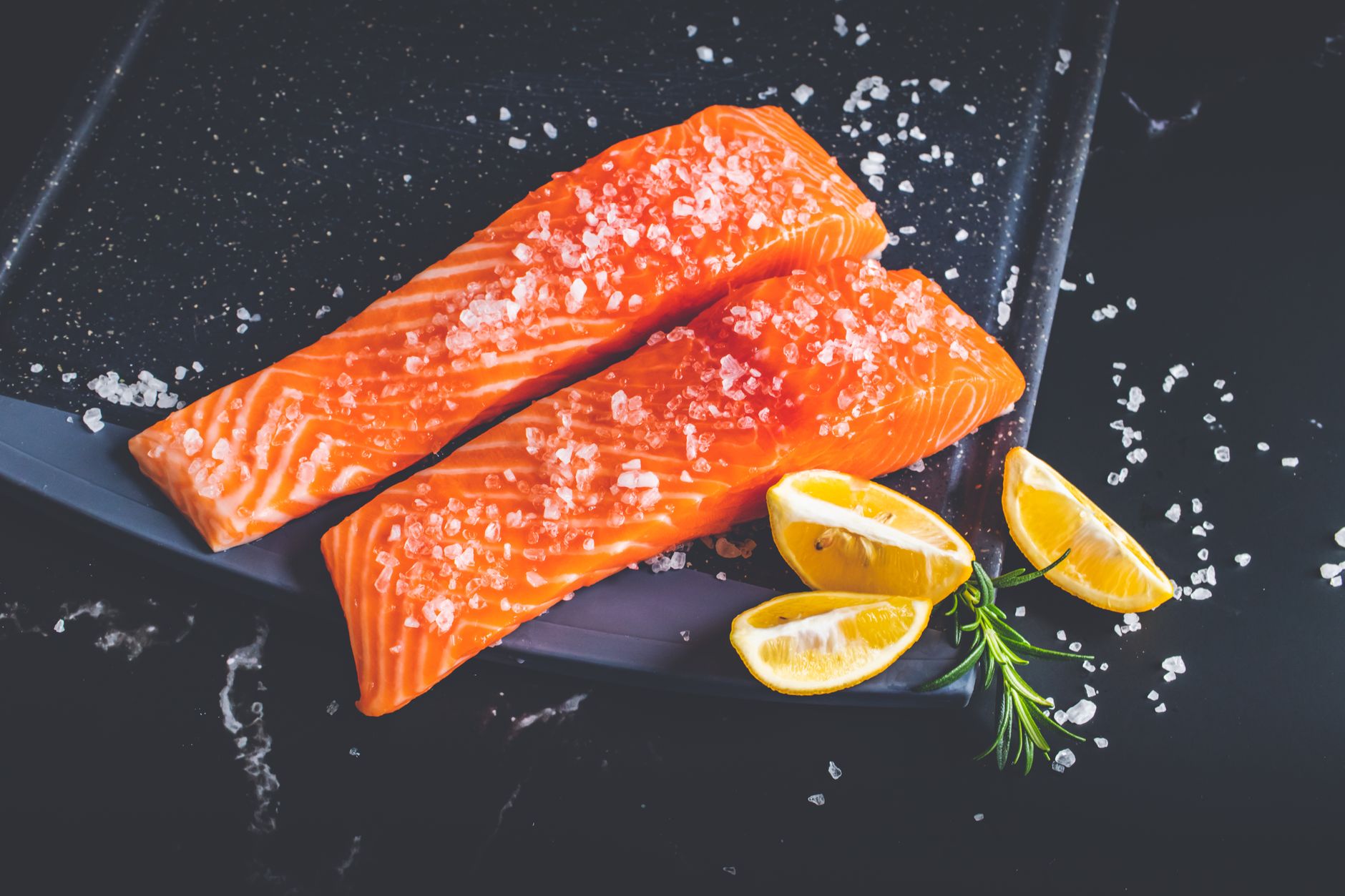
Boiling salmon is a lesser-known cooking technique that can produce a flavorful and tender dish. With the right approach, this method can highlight the fish’s natural taste and maintain its delicate texture. Understanding how to boil salmon properly not only allows for a healthier cooking option but also offers various ways to enjoy this beloved fish.
In this guide, we will explore the process of boiling salmon, including preparation tips, cooking methods, flavoring options, and serving suggestions, ensuring that you can confidently incorporate this technique into your culinary repertoire.
Can You Boil Salmon?
Yes, you can boil salmon. This cooking method is suitable for fresh or frozen salmon and provides a gentle way to cook the fish while keeping it moist. Boiling salmon can be a great way to prepare dishes like salmon salad, salmon cakes, or simply served alongside vegetables or rice.
Benefits of Boiling Salmon
Boiling salmon can offer several advantages:
- Healthier preparation: Boiling requires no added fats, making it a lower-calorie cooking option.
- Preserves nutrients: While some vitamins may leach into the water, boiling is a quick method that helps retain many healthy nutrients in the fish.
- Gentle cooking method: The gentle heat of boiling minimizes the risk of overcooking, ensuring the salmon stays tender and flaky.
Preparing Salmon for Boiling
Preparation is key when it comes to boiling salmon. Here’s how to get your salmon ready:
- Choose quality salmon: Opt for fresh or high-quality frozen salmon fillets or steaks. Wild-caught salmon often has a richer flavor compared to farmed varieties.
- Thaw if necessary: For frozen salmon, ensure that it is properly thawed in the refrigerator before boiling for even cooking.
- Clean and trim: Rinse the salmon under cold water and pat dry with paper towels. Trim any excess fat or skin if desired.
Boiling Salmon: Equipment and Ingredients
Before boiling salmon, it’s important to gather the necessary equipment and ingredients:
Essential Equipment
- Large pot or saucepan
- Slotted spoon
- Meat thermometer (optional, but helpful for checking doneness)
- Cutting board and knife for prep
Ingredients
Here is a basic ingredient list for boiling salmon:
- Salmon fillets or steaks (about 1-2 pounds)
- Water (enough to cover the salmon, usually around 4-6 cups)
- Salt (1-2 tablespoons, to taste)
- Seasonings and aromatics (optional but recommended):
- Lemon slices
- Fresh herbs (dill, thyme, or parsley)
- Garlic cloves
- Black peppercorns
How to Boil Salmon: Step-by-Step Instructions
Follow these steps to boil your salmon effectively:
- Prepare the water: In a large pot, fill with enough water to cover the salmon completely. Add salt and any aromatics like lemon slices, herbs, and garlic to the water.
- Bring to a boil: Place the pot over high heat and bring the water to a rolling boil.
- Reduce heat: Once boiling, reduce the heat to medium-low to maintain a simmer. A rolling boil can cause the salmon to break apart.
- Add the salmon: Carefully add the salmon fillets or steaks to the simmering water. Ensure they are fully submerged.
- Cook the salmon: Boil the salmon for about 8-10 minutes for fillets and 10-15 minutes for thicker steaks, or until the salmon is opaque and flakes easily with a fork. The internal temperature should reach 145°F (63°C).
- Remove and drain: Use a slotted spoon to carefully lift the cooked salmon from the pot, allowing excess water to drain off.
- Serve: Transfer the salmon to a cutting board and let it rest for a minute. It’s now ready to be served.
Flavoring Options for Boiled Salmon
While plain boiled salmon can be delicious, consider these flavor-boosting options:
- Marinate before boiling: A quick marinade of olive oil, lemon juice, and herbs for about 15-30 minutes before boiling can enhance the flavor.
- Use broth instead of water: Substituting fish stock or vegetable broth for water can provide a more robust taste.
- Infuse the boiling liquid: Add chopped vegetables like leeks, onions, or carrots to the water for additional flavor.
Common Mistakes to Avoid When Boiling Salmon
Even experienced cooks can make mistakes when boiling salmon. Here are some common pitfalls and how to avoid them:
- Overcooking: Keep an eye on the cooking time and temperature. Overcooked salmon becomes dry. Use a meat thermometer for accuracy.
- Not seasoning enough: Don’t skip the salt and aromatics; they enhance the salmon’s natural flavor.
- Adding salmon to too vigorous a boil: Always reduce the heat once the water is boiling to prevent the salmon from breaking apart.
Serving Suggestions for Boiled Salmon
Boiled salmon can be enjoyed in various ways. Here are some serving ideas:
- Salmon salad: Flake the salmon and mix it with diced vegetables, mayonnaise, and herbs for a delicious salad.
- In wraps or sandwiches: Serve boiled salmon in a wrap with lettuce, cucumber, and a tangy sauce or in a sandwich with your favorite toppings.
- Alongside sides: Pair boiled salmon with steamed vegetables, quinoa, or rice for a complete meal.
- Cold on a platter: Chilled boiled salmon can be served with dipping sauces like tartar sauce or a lemon-dill sauce as part of a seafood platter.
Storing and Reheating Boiled Salmon
Proper storage and reheating are crucial for maintaining the quality of boiled salmon:
- Refrigeration: Store any leftover boiled salmon in an airtight container in the refrigerator for up to 3 days.
- Freezing: For longer storage, freeze boiled salmon. Wrap it tightly in plastic wrap and aluminum foil before placing it in a freezer-safe bag. It can be stored for up to 3 months.
- Reheating: If reheating from the fridge, place the salmon in a microwave-safe container and microwave in short intervals. For frozen salmon, thaw in the refrigerator overnight before reheating.
Recipe Variations Using Boiled Salmon
Once you’re comfortable with boiling salmon, try these recipe variations:
- Salmon Cakes: Use flaked boiled salmon to create salmon cakes, mixing in breadcrumbs, egg, and seasonings. Pan-fry until golden brown.
- Salmon Pasta: Toss flaked boiled salmon with cooked pasta, fresh herbs, olive oil, and vegetables for a quick and flavorful dish.
- Boiled Salmon Salad with Avocado: Combine flaked salmon with avocado, mixed greens, cherry tomatoes, and a simple vinaigrette for a nutritious salad.
With these techniques, flavoring options, and serving suggestions, you can confidently boil salmon to enhance your meals. Whether you’re looking to create healthy dishes or impress guests with your culinary skills, boiling salmon is a worthwhile technique to master.
Explore related recipes and cooking tips, or find guidance on how long to cook tilapia here. Additionally, ensure your salmon is fresh by checking out how to tell if salmon is bad here.