
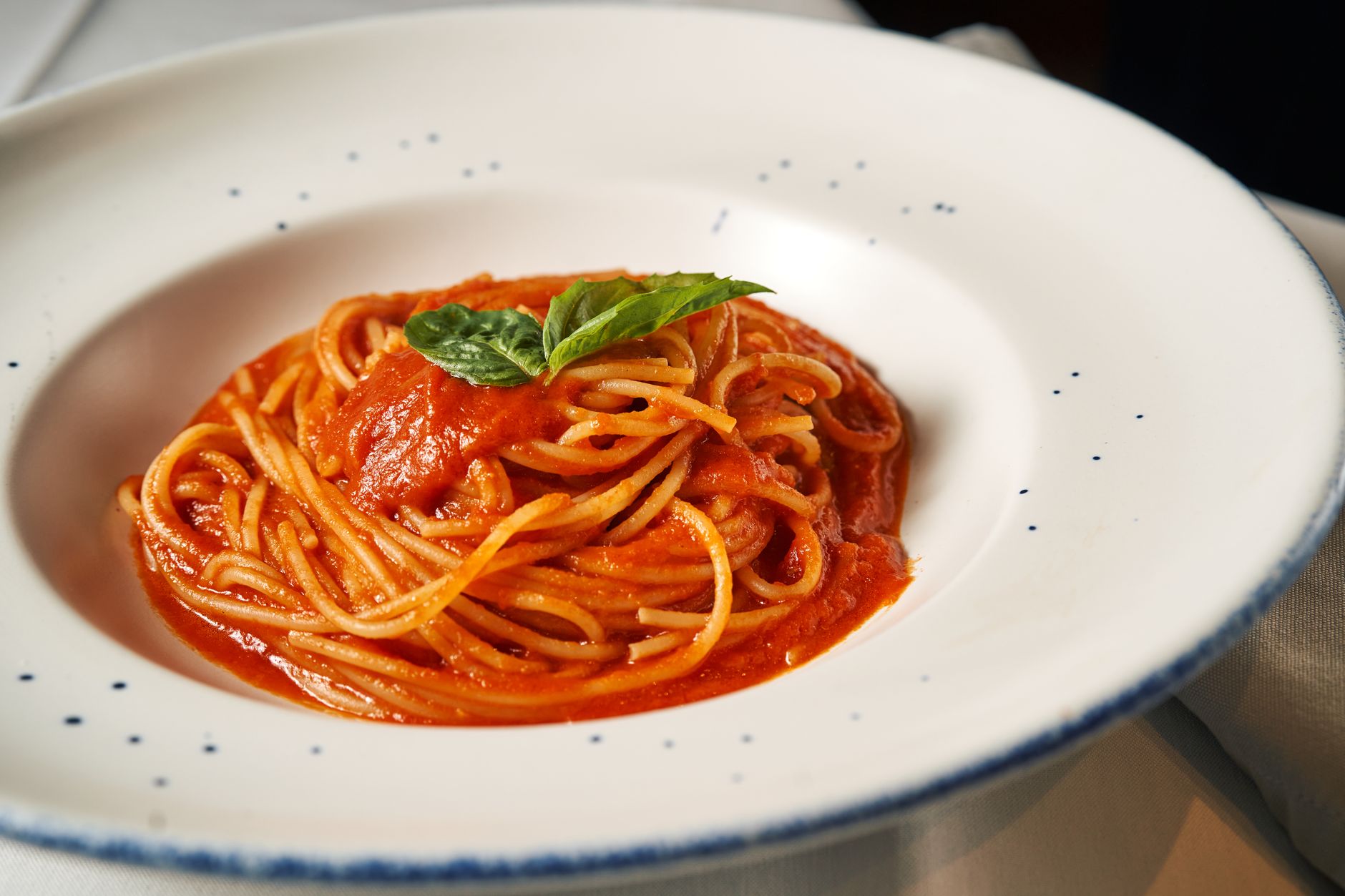
Many home cooks often wonder if they can create delicious spaghetti sauce using tomato sauce as a base. The answer is a resounding yes! Tomato sauce provides a flavorful foundation for spaghetti sauce, making it quick and easy to prepare. With just a few additional ingredients, you can elevate simple tomato sauce into a rich and hearty spaghetti sauce.
In this article, we will explore how to make spaghetti sauce with tomato sauce, offering tips for enhancing flavors, providing ingredient variations, and sharing useful cooking techniques. Whether you are short on time or simply looking for a convenient way to make a classic dish, this guide will help you whip up a satisfying spaghetti sauce in no time.
Can I Make Spaghetti Sauce With Tomato Sauce?
Yes, you can absolutely make spaghetti sauce using tomato sauce. Tomato sauce serves as an excellent base, allowing you to customize the taste and texture of your spaghetti sauce by adding various seasonings, vegetables, and proteins. The goal is to enhance the tomato sauce to suit your flavor preferences while ensuring a delicious pairing with spaghetti.
What You Need to Make Spaghetti Sauce
To create a tasty spaghetti sauce using tomato sauce, you will need a few key ingredients and some essential kitchen equipment. Below is a list of what you will require:
- 2 cups of tomato sauce (store-bought or homemade)
- 1 medium onion, finely chopped
- 2 cloves of garlic, minced
- 1 tablespoon of olive oil
- 1 teaspoon of dried oregano
- 1 teaspoon of dried basil
- 1 teaspoon of sugar (optional, to balance acidity)
- Salt and black pepper, to taste
- Fresh basil or parsley for garnish (optional)
Essential Kitchen Equipment
Having the right tools will make preparing your spaghetti sauce easier and more efficient. Here’s what you will need:
- A large skillet or saucepan
- A wooden spoon or spatula for stirring
- A cutting board
- A sharp knife
- A measuring spoon
- A can opener (if using canned tomato sauce)
Step-by-Step Instructions to Make Spaghetti Sauce with Tomato Sauce
Follow these simple steps to turn tomato sauce into a mouthwatering spaghetti sauce:
- Prepare the Ingredients: Begin by finely chopping the onion and mincing the garlic. Set them aside for later use.
- Heat the Oil: In a large skillet or saucepan, heat one tablespoon of olive oil over medium heat. Allow the oil to heat until shimmering but not smoking.
- Sauté the Onion: Add the chopped onion to the skillet and stir. Sauté the onion for about 3 to 5 minutes, or until it becomes translucent and slightly softened.
- Cook the Garlic: Once the onion is ready, add the minced garlic to the skillet. Sauté for an additional 1 to 2 minutes, stirring frequently to prevent the garlic from burning.
- Add Tomato Sauce: Pour in the 2 cups of tomato sauce. Stir the mixture to combine with the sautéed onion and garlic.
- Season the Sauce: Sprinkle in the dried oregano, dried basil, sugar (if using), salt, and black pepper to taste. Stir well to ensure the seasonings are evenly distributed.
- Simmer: Reduce the heat to low and allow the sauce to simmer for about 15 to 20 minutes. This step helps the flavors to meld together and the sauce to thicken slightly.
- Taste and Adjust: After simmering, taste the sauce and adjust the seasonings as needed. If the sauce is too acidic, consider adding a pinch more sugar.
- Serve: Serve the spaghetti sauce over cooked spaghetti noodles and garnish with fresh basil or parsley, if desired. Enjoy!
Practical Tips for Enhancing Your Spaghetti Sauce
Enhancing your spaghetti sauce with tomato sauce can be accomplished in many ways. Here are some practical tips:
- Add Vegetables: Consider adding chopped bell peppers, mushrooms, or zucchini for extra flavor and nutrition. Sauté them alongside the onion for a delightful mix.
- Include Protein: Craving something heartier? Brown ground beef, turkey, or sausage in the skillet before adding the onion and garlic for a meat sauce version. For a vegetarian option, use lentils or mushrooms as a protein substitute.
- Try Fresh Herbs: Substitute dried herbs with fresh basil, oregano, or parsley to elevate the flavor. Add fresh herbs toward the end of cooking for maximum freshness.
- Experiment with Spices: Spice up your sauce by adding red pepper flakes for heat or Italian seasoning for a more complex flavor profile. Adjust the heat level according to your preference.
- Finish with Cheese: For added richness, incorporate grated Parmesan or pecorino cheese into the sauce right before serving.
Variations on Spaghetti Sauce Using Tomato Sauce
There are numerous variations you can create by building on the basic spaghetti sauce recipe. Here are a few ideas:
1. Marinara Sauce
For a simpler, garlicky marinara sauce, skip the sautéing of the onion and simply focus on simmering the tomato sauce with garlic and herbs. Use fresh basil at the end for a fresh finish.
2. Meat Sauce
Add browned ground beef or turkey to your sauce after sautéing the vegetables. Stir until mixed, then proceed with the rest of the recipe. This variation provides a hearty meat sauce, perfect for a filling meal.
3. Vegetable Sauce
Create a vegetable-rich spaghetti sauce by adding mushrooms, spinach, or grated carrots during the sauté stage. The vegetables will add depth and enhance nutrition.
4. Spicy Arrabbiata Sauce
For a spicy kick, add crushed red pepper flakes during the sautéing of the garlic or onion. This version is perfect for those who enjoy heat in their pasta dishes.
Common Mistakes When Making Spaghetti Sauce
Even seasoned cooks can make mistakes while preparing spaghetti sauce. Here are some common errors to avoid:
- Skipping the Sauté: Sautéing the onion and garlic adds essential depth of flavor. Don’t skip this step; it’s worth the time for a more complex taste.
- Cooking at High Heat: Cooking the sauce too quickly can result in strong, raw tomato flavors. Simmering allows the ingredients to meld and develop a better taste.
- Too Much Sugar: While sugar can balance acidity, avoid adding too much. A little goes a long way; taste before doubling the amount.
- Not Tasting: Always taste as you cook! Flavors can change, and tasting helps ensure the right balance of seasonings and flavors.
Storage and Reheating Tips for Spaghetti Sauce
If you make a larger batch of spaghetti sauce, storing and reheating it properly ensures you can enjoy it later. Here are some tips:
- To Store: Allow the sauce to cool completely before transferring it to an airtight container. It can be stored in the refrigerator for up to 4 days.
- Freezing: Spaghetti sauce freezes well. Store it in freezer-safe containers, leaving some space at the top for expansion. It can be stored for up to 3 months in the freezer.
- To Reheat: Reheat the sauce gently on the stove over low heat, stirring occasionally. If the sauce seems thick, add a splash of water or broth to reach your desired consistency. You can also microwave it in a microwave-safe dish, covering it to retain moisture.
Serving Suggestions for Spaghetti Sauce
Once your spaghetti sauce is ready, it’s time to serve! Here are some ideas on how to elevate your plate of spaghetti:
- Pair the spaghetti sauce with perfectly cooked al dente spaghetti for a classic dish.
- Top with freshly grated Parmesan or a dollop of ricotta cheese for added creaminess.
- Serve with a side of garlic bread for a complete Italian meal.
- Add a fresh green salad to balance the hearty flavors of the sauce.
In summary, making spaghetti sauce with tomato sauce is not only feasible but can also be a delightful culinary adventure. With the right ingredients, seasonings, and techniques, you can create a rich and flavorful sauce to complement your pasta dishes.
Take your cooking skills to the next level by exploring related recipes such as this no-meat spaghetti sauce or learn about the flavors of tomato gravy. Each recipe provides unique twists that can enhance your meals further.