
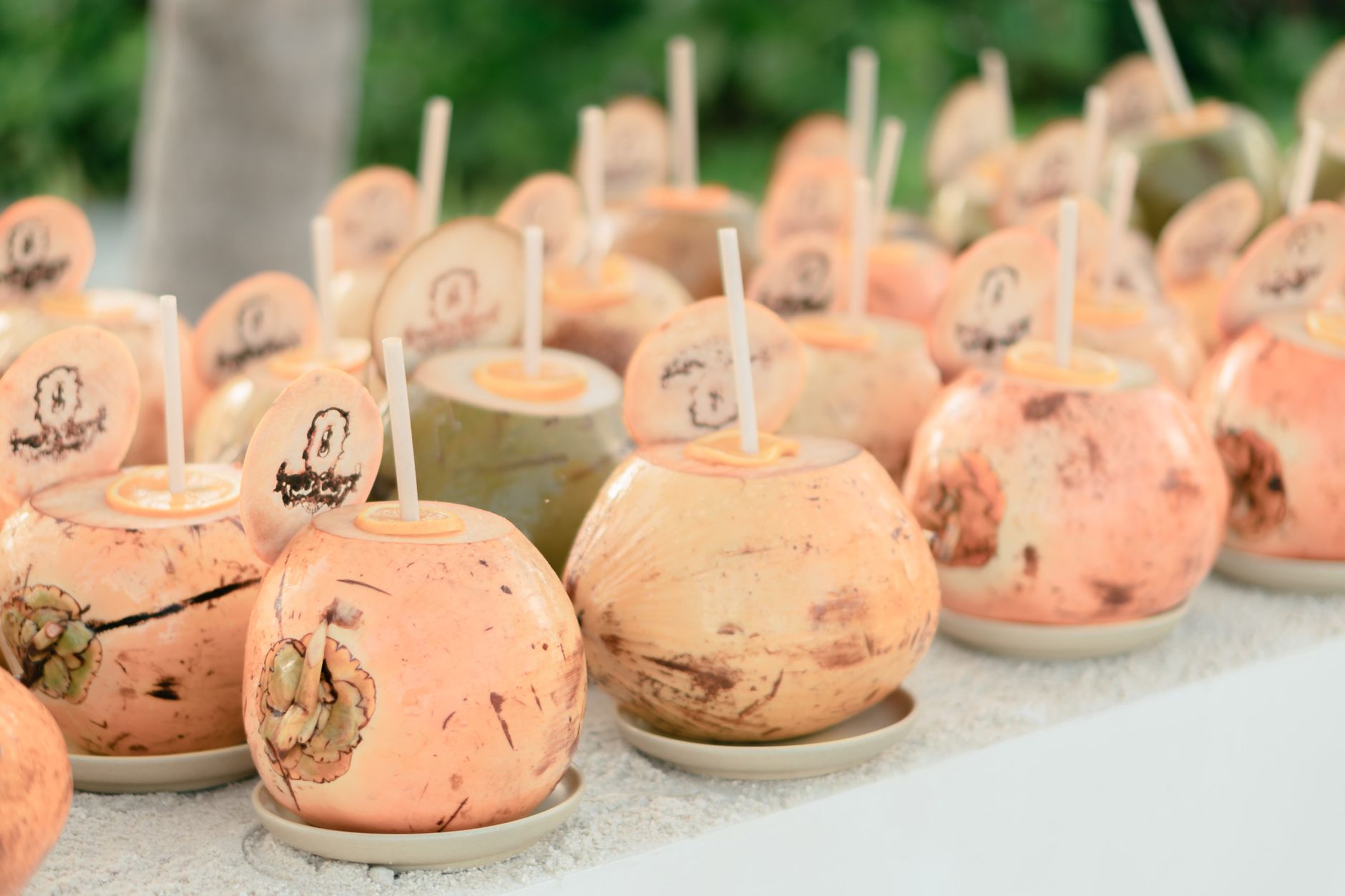
Coconut water, a refreshing drink derived from young coconuts, has gained immense popularity for its hydrating properties and natural sweetness. However, with any perishable product, questions often arise regarding its shelf life and signs of spoilage. Understanding these aspects can help you enjoy coconut water safely and make informed decisions about storage and consumption.
This article delves into whether coconut water can go bad, how to properly store it, the duration of its freshness, and the signs of spoilage you should be aware of. Whether you regularly sip on coconut water or have it occasionally, knowing these details ensures you can enjoy it at its best.
Can Coconut Water Go Bad?
Yes, coconut water can go bad. Like many natural juices, it has a shelf life, and improper storage can lead to spoilage. Fresh coconut water typically has a limited lifespan, while packaged varieties may last longer. Being aware of the signs of spoilage and proper storage methods can help extend its usability.
Understanding Coconut Water
Coconut water is the clear liquid found inside young green coconuts. It is rich in electrolytes like potassium, making it a popular choice for hydration and refreshment. The varyingly sweet taste and light, watery texture make it a delightful beverage that can be enjoyed alone or as an ingredient in smoothies and cocktails.
Types of Coconut Water
- Fresh Coconut Water: Extracted directly from young coconuts. It is the most flavorful and has the highest nutritional value.
- Bottled Coconut Water: Processed and packaged coconut water with preservatives that extend its shelf life. This version often lacks some of the fresh flavor but offers convenience.
- Frozen Coconut Water: Coconut water that has been frozen for long-term storage. This retains most of its nutrients if stored properly.
How Long Does Coconut Water Last?
The shelf life of coconut water can vary based on its form and storage conditions. Here’s a closer look at how long different types of coconut water typically last:
Fresh Coconut Water
Fresh coconut water should be consumed shortly after extraction for optimal flavor and health benefits. It generally lasts:
- Refrigerated: 2 to 3 days
- Room Temperature: 4 to 6 hours
Bottled Coconut Water
Bottled coconut water undergoes pasteurization and can last significantly longer:
- Unopened: Up to 1 year if stored in a cool, dry place
- Opened: 4 to 7 days when refrigerated
Frozen Coconut Water
Frozen coconut water can last for a longer period if properly stored:
- Frozen: Up to 6 months
Signs That Coconut Water Has Gone Bad
Identifying spoiled coconut water is crucial for maintaining your health. Here are the main signs to look for:
1. Off Odor
Fresh coconut water has a pleasant, mildly sweet aroma. If you detect a sour or rancid odor, it’s a clear indicator that the coconut water has spoiled.
2. Change in Color
Fresh coconut water should be a clear to slightly cloudy liquid. If it takes on a yellow or brown hue, it may have gone bad and should not be consumed.
3. Unpleasant Taste
If the coconut water tastes sour or has an off flavor, it is best to discard it. Fresh coconut water should taste sweet and refreshing.
4. Cloudiness
A slight cloudiness can be normal in fresh coconut water, but if it appears excessively murky or has floating particles, it’s a sign that the product has spoiled.
5. Swelling Packaging
For bottled coconut water, check the packaging. If the bottle appears swollen, it is a sign of bacterial growth, and the coconut water should be discarded immediately.
Proper Storage Techniques for Coconut Water
Storage plays a significant role in maintaining the freshness and longevity of coconut water. Here are some effective storage techniques:
Fresh Coconut Water
- Consume immediately after extraction for the best quality.
- If refrigerating, keep it in an airtight container to prevent contamination.
- Use within 2 to 3 days for optimal flavor and nutrition.
Bottled Coconut Water
- Store unopened bottles in a cool, dry place away from direct sunlight.
- Once opened, immediately refrigerate and consume within 4 to 7 days.
- Ensure the cap is tightly sealed after each use to prolong freshness.
Frozen Coconut Water
- Pour the coconut water into ice cube trays or freezer-safe containers.
- Seal tightly to prevent freezer burn and store in the freezer.
- Use within 6 months for the best flavor. Thaw in the refrigerator or at room temperature before use.
Can You Drink Spoiled Coconut Water?
It is not safe to consume spoiled coconut water. Drinking spoiled beverages can cause stomach discomfort and foodborne illness. If you have any doubts about whether your coconut water is still good, it is best to err on the side of caution and discard it.
Using Coconut Water Beyond Just Drinking
Coconut water is not only a refreshing drink but can also be a versatile ingredient in various dishes. Here are some ideas:
1. Smoothies and Shakes
Its natural sweetness and hydration properties make coconut water an excellent base for smoothies. Combine it with your favorite fruits and vegetables for a nutritious drink.
2. Salad Dressings
Use coconut water in salad dressings for an exotic twist. It pairs well with lime juice, olive oil, and spices.
3. Cooking Grains
Replace water with coconut water when cooking quinoa, rice, or couscous for added flavor.
4. Baking
Coconut water can be used in baked goods such as pancakes, muffins, and cakes to enhance moisture and flavor.
Practical Tips for Enjoying Coconut Water
- Always check the expiration date on bottled coconut water before consumption.
- Keep an open bottle in the fridge for maximum freshness.
- Add coconut water ice cubes to your beverages for a unique twist.
- Pair it with alcohol for refreshing cocktails like pina coladas or coconut mojitos.
Conclusion
Understanding the shelf life, storage methods, and spoilage signs of coconut water is essential for making the most of this delightful beverage. Enjoy the numerous benefits it offers by ensuring you’re consuming fresh coconut water while being mindful of its storage practices. The next time you have a bottle of coconut water, you’ll know exactly how to keep it fresh and what to look out for regarding spoilage.
For more beverage ideas and refreshing recipes, explore related articles on our blog, such as the potential spoilage of chia seeds or how to make a delicious chia pudding with coconut milk. Happy sipping!