
Pregnancy is a time of heightened awareness about what you put into your body, especially when it comes to food. One common concern for expectant mothers revolves around cheese consumption, particularly soft cheeses like queso fresco. With its creamy texture and mild flavor, queso fresco is a beloved ingredient in many dishes. However, it’s important to understand whether it’s safe to enjoy during pregnancy.
This article will explore the safety guidelines surrounding queso fresco consumption while pregnant, including potential risks, recommended portions, and safe preparation methods. Let’s delve into what you need to know to enjoy queso fresco responsibly during this special time.
Can I Have Queso Fresco While Pregnant?
Yes, you can have queso fresco while pregnant, but it’s crucial to ensure that it is made from pasteurized milk. Unpasteurized cheeses pose a risk of listeriosis, a bacterial infection that can be harmful to both you and your baby. Always check the label for pasteurization and choose reputable sources to minimize any risks.
What is Queso Fresco?
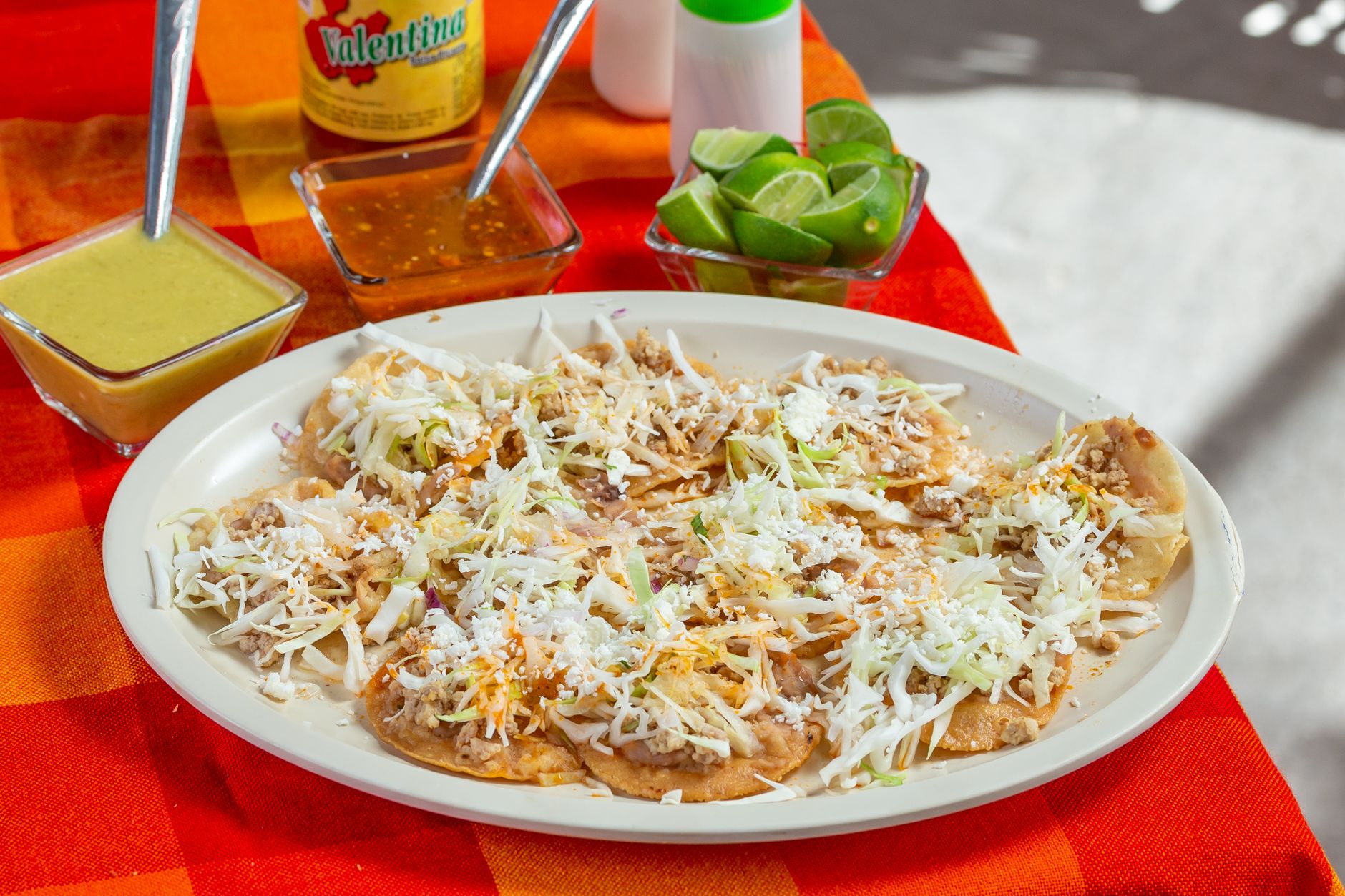
Queso fresco is a soft, crumbly cheese with a mild flavor, originating from Mexico. Traditionally made from cow’s milk, it has a slightly tangy taste and is often used to complement various dishes, serving as a topping for tacos, enchiladas, and salads. Due to its texture and flavor, queso fresco adds a refreshing element to meals.
Health Considerations When Consuming Queso Fresco
As mentioned, the primary concern with queso fresco during pregnancy is the potential risk of listeriosis from unpasteurized cheese. Listeriosis can lead to severe complications, including miscarriage, premature labor, or infection in newborns. It’s advisable to follow a few guidelines to enjoy queso fresco safely.
Signs of Safe Queso Fresco
- Pasteurized Milk: Ensure the cheese is made from pasteurized milk. This is the easiest way to mitigate the risk of listeria.
- Look for Labels: Always read the packaging. Look for terms like “pasteurized” or “made from pasteurized milk.”
- Reputable Brands: Purchase from well-known brands and reputable sources, such as grocery stores or specialty cheese shops.
Risks of Consuming Unpasteurized Queso Fresco
Unpasteurized queso fresco can carry harmful bacteria like listeria, salmonella, and E. coli. Symptoms of listeriosis may include fever, muscle aches, and gastrointestinal issues. The risk factor increases for pregnant women as their immune systems are more susceptible. Therefore, it’s crucial to avoid any unpasteurized dairy products.
Recommended Portions of Queso Fresco During Pregnancy
While queso fresco can be a delicious addition to your pregnancy diet, moderation is key. Enjoying small amounts on occasion, paired with a balanced diet, can be safe and enjoyable. Here’s how you can incorporate it wisely:
Serving Suggestions
- Salads: Sprinkle a small amount of queso fresco over a fresh salad for flavor.
- Tacos: Use it as a topping on homemade or store-bought tacos with cooked vegetables or meats.
- Breakfast Dishes: Blend into scrambled eggs or add to a breakfast burrito for a flavorful kick.
Typical Serving Sizes
| Dish | Serving Size |
|---|---|
| Salad Topping | 1-2 tablespoons |
| Taco Filling | 2-3 tablespoons |
| Breakfast Eggs | 2 tablespoons |
Safe Preparation Methods for Queso Fresco
How you prepare your queso fresco can also affect its safety. Here are a few tips to ensure that the cheese is safe to consume.
Cooking Queso Fresco
Cooking queso fresco can effectively kill any potential bacteria. Here’s how to do it:
- Heating: Warm up the queso fresco on low heat over the stove or in the oven until it reaches a temperature of at least 165°F (74°C).
- Incorporation: Add the queso to cooked dishes, such as casseroles or soups, to enhance flavor and texture.
- Isolate Use: Avoid mixing raw queso with other uncooked ingredients.
Storage Tips for Queso Fresco
Proper storage is critical to maintaining the safety and quality of queso fresco. Here are some essential storage tips:
- Refrigeration: Always keep queso fresco in the refrigerator; it should be tightly sealed in its original packaging or an airtight container.
- Use by Date: Pay attention to expiration dates and consume the cheese before that date.
- Freezing: While freezing queso fresco is possible, it may alter its texture. If you plan to freeze it, ensure it’s wrapped properly to prevent freezer burn.
Delicious Queso Fresco Recipe Ideas for Pregnant Women
Here are a few simple yet delicious recipes that incorporate pasteurized queso fresco, allowing you to enjoy it safely and creatively during pregnancy.
Queso Fresco Salad
This refreshing salad is perfect for a light lunch or side dish.
Ingredients
- 1 cup mixed salad greens
- 1/2 cup cherry tomatoes, halved
- 1/2 avocado, sliced
- 1/4 cup diced red onion
- 1/4 cup queso fresco, crumbled
- 2 tablespoons olive oil
- 1 tablespoon lime juice
- Salt and pepper to taste
Preparation Method
- In a large bowl, combine the salad greens, cherry tomatoes, avocado, and red onion.
- Drizzle with olive oil and lime juice, then season with salt and pepper.
- Gently toss to combine and top with crumbled queso fresco just before serving.
Breakfast Queso Fresco Scramble
This hearty breakfast is an excellent way to start your day with flavorful ingredients.
Ingredients
- 4 eggs
- 1/4 cup milk
- 1/2 cup diced bell peppers
- 1/4 cup diced onion
- 1/4 cup queso fresco
- Salt and pepper to taste
- 1 tablespoon olive oil
Preparation Method
- In a bowl, whisk together eggs, milk, salt, and pepper. Set aside.
- Heat olive oil in a skillet over medium heat. Add bell peppers and onion; sauté until tender.
- Pour the egg mixture into the skillet and cook while stirring gently.
- Add queso fresco just before the eggs are fully set, allowing it to melt slightly.
- Serve warm, garnished with fresh herbs if desired.
Common Mistakes to Avoid When Eating Queso Fresco During Pregnancy
While queso fresco can be a delightful addition to your diet during pregnancy, certain pitfalls can compromise safety. Here are common mistakes to be aware of:
- Choosing Unpasteurized Cheese: Ensure you only consume queso fresco made from pasteurized milk.
- Ignoring Expiration Dates: Be mindful of the shelf life; always check dates before consumption.
- Mixing with Raw Ingredients: Avoid combining queso fresco with uncooked vegetables or meat.
How to Spot Unsafe Queso Fresco
Understanding how to identify unsafe queso fresco can help you make informed choices. Here are tips for spotting potentially unsafe cheese:
- Smell: If the cheese smells sour or off, it’s best not to consume it.
- Texture: Queso fresco should be smooth and moist, not dry or crumbly.
- Discoloration: Any unusual discoloration may indicate spoilage. If in doubt, throw it out.
Conclusion: Enjoying Queso Fresco Safely
In summary, queso fresco can be enjoyed during pregnancy as long as you choose pasteurized varieties and follow recommended serving sizes. Incorporate it into meals while ensuring you practice safe food handling and preparation methods. Moderation and mindfulness are key to enjoying this versatile cheese.
Explore further delicious recipes and cooking tips by visiting our cheese-focused guides or looking for more delightful culinary ideas that cater to your dietary preferences. Check out our queso fresco recipe or try a flavorful chipotle queso for a new twist on your next meal.