
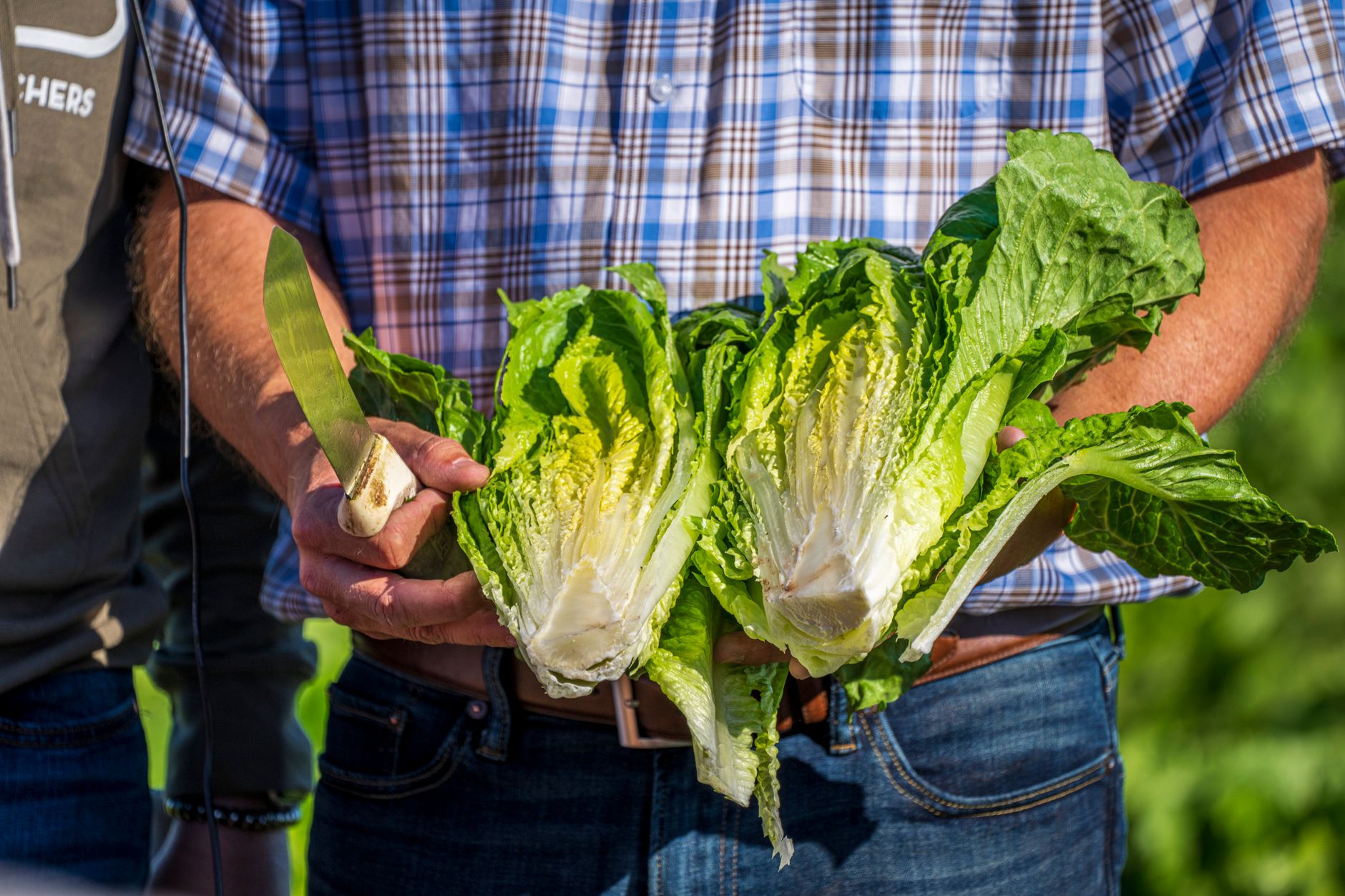
Romaine lettuce is a popular leafy green known for its crisp texture and slightly sweet flavor. It’s a versatile ingredient used in salads, sandwiches, and wraps. However, those wondering, “Can I eat romaine lettuce right now?” may be concerned about food safety, especially following past foodborne illness outbreaks.
This article will explore the factors influencing the safety of romaine lettuce, how to select fresh heads, tips for storing it, and creative ways to incorporate it into your meals. Understanding these aspects can help you enjoy romaine lettuce safely and deliciously.
Can I Eat Romaine Lettuce Right Now?
Yes, you can eat romaine lettuce, provided it is fresh and has been handled properly. However, it’s essential to examine the packaging or heads for signs of spoilage and to follow any recent food safety alerts. Reviewing these factors will ensure you can confidently enjoy this nutritious green.
Understanding Food Safety with Romaine Lettuce
Historically, romaine lettuce has been associated with several outbreaks of foodborne illnesses, particularly E. coli and Salmonella. This makes it crucial to stay informed about safety recalls or advisories. Here’s how to check if it’s safe to eat:
- Check for Recalls: Always check the latest information from the CDC or FDA regarding romaine lettuce recalls. If your lettuce is part of a recall, do not eat it.
- Inspect the Lettuce: Look for any discoloration, wilting, or sliminess. Fresh romaine should be deep green and crisp.
- Examine the Packaging: If you’re buying pre-packaged romaine, ensure the packaging is intact and not past its expiration date.
Choosing Fresh Romaine Lettuce
When buying romaine lettuce, both in-store or farm stand, selection matters. Here’s what to look for:
- Color: Opt for bright green leaves with no brown edges. The rib should also be white and firm.
- Texture: The leaves should be crisp, not limp or wilted. Gently squeeze the head to feel if it’s firm.
- Smell: Fresh romaine has a clean, slightly sweet aroma. If it has a sour smell, it might be past its prime.
How to Store Romaine Lettuce
Proper storage is key to prolonging the freshness of your romaine lettuce. Here’s how to store it effectively:
- Keep it Whole: If possible, store romaine lettuce whole until you’re ready to use it. Cut lettuce tends to wilt faster.
- Use a Plastic Bag: Place the lettuce in a plastic bag to retain moisture. Be sure to squeeze out excess air before sealing.
- Humidity Control: If your fridge has a crisper drawer with humidity control, store romaine there. Set it to high humidity to keep the leaves fresh.
- Avoid Washing First: If you’re not using the lettuce immediately, avoid washing it until just before consumption. Washing can lead to quicker spoilage.
Creative Ways to Enjoy Romaine Lettuce
Romaine lettuce isn’t just for salads; its crunchy leaves can enhance various dishes. Here are some ideas to incorporate romaine into your meals:
1. Classic Caesar Salad
A Caesar salad features crisp romaine lettuce, crunchy croutons, and creamy Caesar dressing. To make:
- 1 head of romaine lettuce, chopped
- 1 cup of croutons
- 1/4 cup of Parmesan cheese, grated
- 1/2 cup of Caesar dressing
Combine all ingredients in a large bowl, toss well and serve chilled for a refreshing dish.
2. Romaine Lettuce Wraps
Use romaine leaves as a low-carb wrap substitute. Fill them with stir-fried veggies, grilled chicken, or tofu for a healthy meal. Simply:
- Lightly sauté your choice of protein and veggies. Season as desired.
- Lay the mixture onto the center of a romaine leaf.
- Wrap like a taco and enjoy!
3. Asian Slaw
This dish combines shredded romaine with crunchy vegetables and a tangy dressing. To prepare:
- 1 head of romaine, shredded
- 1 cup of shredded carrots
- 1 cup of red cabbage, shredded
- 1/4 cup of rice vinegar
- 2 tablespoons of soy sauce
Mix the shredded ingredients and whisk the dressing to drizzle over the top. Toss to combine and serve chilled. Check out our Asian slaw recipe for detailed instructions.
4. Grilled Romaine Salad
Grilling romaine adds a smoky flavor that enhances its natural sweetness. To execute this simple technique:
- Preheat your grill to medium-high.
- Cut the romaine head in half lengthwise.
- Brush the cut sides with olive oil and sprinkle with salt and pepper.
- Grill the romaine for 2-3 minutes until lightly charred.
Serve with a squeeze of lemon and your choice of toppings for a unique salad option.
5. Romaine as a Side Dish
Romaine can also be used as a light side dish. Try blanching the leaves, then drizzling them with olive oil, lemon juice, and sprinkling with salt for a quick and healthy accompaniment to your meal.
Common Mistakes and Troubleshooting
When handling and cooking with romaine lettuce, there are several common pitfalls. Avoid these mistakes for the best dining experience:
- Ignoring Expiry Dates: Always check expiration dates when purchasing pre-packaged romaine. Consume or freeze before the date to avoid spoilage.
- Washing Before Use: If you wash romaine before storage, ensure it is dried thoroughly, as excess moisture can lead to quicker decay.
- Overcooking: If you’re grilling or sautéing romaine, avoid cooking it for too long, as this can lead to a mushy texture.
Make-Ahead and Batch Cooking
Romaine lettuce can be included in meal prep and batch cooking. Here’s how:
- Chop and Store: Chop romaine at the beginning of the week, store in an airtight container with a paper towel to absorb excess moisture.
- Pre-Mixed Salad Kits: Create your salad kits with chopped romaine and other salad ingredients to grab quickly during the week.
- Marinate Proteins Ahead: Marinate proteins that pair well with romaine and portion them for easy assembly with your greens throughout the week.
Storage and Reheating Guidance
While raw romaine should not be reheated, here’s how to store its cooked complements:
- Cooked Grains and Proteins: Store any cooked proteins or grains separately in airtight containers in the refrigerator. Consume within 3-4 days for optimal freshness.
- Refrigerate Dressing: Store homemade dressings in the refrigerator. Most vinaigrettes and creamy dressings can last about a week.
Closing Thoughts
Incorporating romaine lettuce into your meals is not only safe, but it also provides a plethora of health benefits and versatile preparation methods. By following best practices for selection, storage, and usage, you can enjoy this crispy vegetable in various dishes. Just remember to stay informed on safety alerts to keep your dining experience enjoyable.
Explore more delicious ideas with lettuce and similar greens by checking out our wilted lettuce recipe for a comforting side dish, or discover more ways to excite your taste buds with fresh vegetables!