
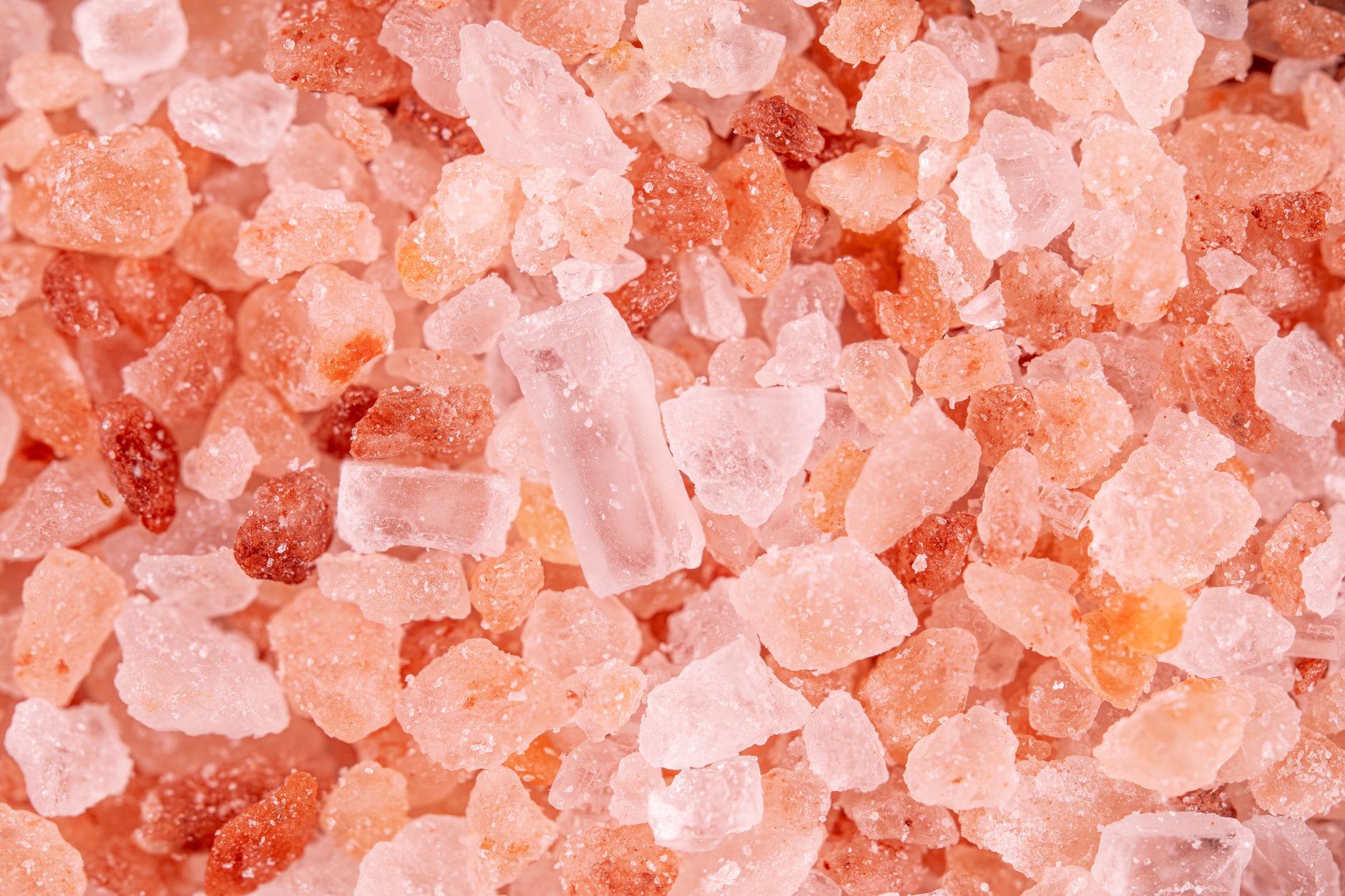
Smoked salt is a unique and flavorful ingredient that adds depth and complexity to various dishes. It is created by infusing salt with smoke from specific woods, resulting in a distinctive smoky aroma and taste that can elevate even simple recipes. Understanding the composition, flavor profile, and uses of smoked salt can enhance your culinary endeavors.
This article will explore what smoked salt is, how it is made, its flavor characteristics, suitable serving methods, and culinary applications. Whether you’re a home cook or a seasoned chef, incorporating smoked salt into your spice collection could provide exciting dimensions to your cooking.
What is Smoked Salt?
Smoked salt is salt that has been smoked over a wood fire to impart a smoky flavor. The process typically involves soaking coarse sea salt or kosher salt in smoke produced from various types of wood, such as hickory, mesquite, cherry, or applewood. The result is a seasoning that retains the mineral qualities of salt while adding the complex, robust flavor of smoke.
Ingredients Used in Smoked Salt
The primary ingredient in smoked salt is, of course, salt. While several types can be used, the most common ones include:
- Sea Salt: Harvested from evaporated seawater, this salt presents a more mineral-rich flavor.
- Kosher Salt: Recognized for its coarse texture, kosher salt is frequently used in culinary applications.
The choice of wood used for smoking also significantly influences the flavor. Different woods impart distinct smoky notes, allowing for a range of flavor profiles;
- Hickory: Offers a strong, hearty flavor ideal for meats and barbecue dishes.
- Mesquite: Known for its intense smoke flavor, great for grilling.
- Sage: Provides a subtle herbal flavor, perfect for lighter dishes.
- Cherry: Adds a sweet smoke flavor, excellent for poultry or fish.
- Applewood: Gives a milder, sweeter smoke that works well in many applications.
During the smoking process, the salt crystals absorb not only the flavor but also some of the aroma from the wood smoke, resulting in a seasoning that enhances many different foods.
Flavor Profile of Smoked Salt
The flavor of smoked salt is a blend of saltiness and a distinctive smoky flavor that can vary widely depending on the base salt and wood used for smoking. Some common flavor attributes include:
- Umami: Enhances the savory richness of dishes.
- Earthiness: Offers a grounded, natural flavor that amplifies the richness of grilled or roasted foods.
- Sweetness or Bitterness: Depending on the type of wood, smoked salt can have sweet notes or a slight bitterness.
This complex flavor profile allows smoked salt to be versatile in cooking, pairing well with most meats, vegetables, and even some desserts. A pinch of smoked salt can enhance your dish by providing unexpected depths and a delightful smokiness.
How to Use Smoked Salt
Smoked salt can be used in various culinary applications, and its versatility makes it an essential ingredient for any cook. Here are some practical ways to incorporate smoked salt into your meals:
1. Seasoning Meats
One of the most common uses of smoked salt is as a dry rub for meats, particularly for grilled, roasted, or barbecued dishes. Its robust flavor amplifies the natural taste of the protein while adding a smoky note.
To use smoked salt on meats:
- Pat the meat dry with paper towels.
- Sprinkle a generous amount of smoked salt evenly over the surface, massaging it into the meat.
- Let it sit for at least 30 minutes or overnight in the refrigerator for an enhanced smoky flavor.
2. Enhancing Vegetables
Smoked salt can elevate the taste of roasted or grilled vegetables. Use it to highlight the natural sweetness and earthiness of seasonal produce.
Here’s how to use it with vegetables:
- Toss your choice of vegetables (like bell peppers, zucchini, or Brussels sprouts) in olive oil.
- Sprinkle smoked salt over the vegetables before roasting or grilling.
- Roast in a preheated oven or grill until tender and caramelized, allowing the flavors to meld.
3. Flavoring Soups and Stews
Incorporate smoked salt into soups and stews to enhance the rich flavors of the broth.
To do this:
- Add to your soup or stew in the last 10 minutes of cooking.
- Start with a small amount, as it can intensify the overall flavor quickly.
- Taste and adjust seasoning as necessary.
4. Finishing Touch for Dishes
Use smoked salt as a finishing touch to add a burst of flavor to any dish. Just a light sprinkle on top of grilled meats, salads, or even popcorn can brighten up the meal and offer a satisfying smoky finish.
5. Desserts and Sweets
Strangely enough, smoked salt can even elevate desserts. Its complex flavor can enhance the sweetness of caramel or chocolate desserts.
For sweet applications:
- Sprinkle a small pinch over chocolate brownies, cookies, or salted caramel sauces.
- Balance the sweetness with a delicate touch of smoke.
Common Mistakes When Using Smoked Salt
While smoked salt is easy to incorporate into your cooking, there are a few common pitfalls that can diminish its impact. Here are some mistakes to avoid:
- Overusing Smoked Salt: Due to its strong flavor, excessive amounts can overpower a dish. Start with a small quantity and adjust as necessary.
- Not Considering Cooking Techniques: Some cooking methods, like boiling, can reduce the smoky flavor. Use smoked salt in methods like grilling or roasting for best results.
- Not Pairing with Complementary Flavors: Ensure that the dishes you season with smoked salt have flavors that pair well with its smokiness. It enhances savory dishes more effectively than sweet ones.
Storage and Shelf Life of Smoked Salt
Proper storage of smoked salt is essential to maintain its flavor and quality. Here are some tips on how to store it:
- Airtight Container: Store smoked salt in an airtight container to prevent moisture and odors from other foods from altering its flavor.
- Cool, Dark Place: Keep the container in a cool, dark place away from direct sunlight and heat sources, which can degrade its quality.
When stored properly, smoked salt can typically last for several years, although it is best used within a year for optimum flavor and quality.
Finding the Right Smoked Salt
When choosing smoked salt, consider the source and quality. Here are some tips to select smoked salt:
- Look for Artisan Brands: Artisan or local producers often have specialized methods for smoking that can offer unique flavors.
- Check for Ingredients: Ensure that ingredients are free of additives and fluorides. The best smoked salt is made from natural ingredients.
- Choose the Wood Type: Depending on your culinary preferences, select smoked salt from the wood type that suits your taste and the dishes you plan to prepare.
Practical Applications and Popular Recipes
Smoked salt can be seamlessly integrated into various recipes. Here are some popular ideas to inspire you:
Grilled Smoked Salt Chicken
This recipe demonstrates how smoked salt can enhance the flavors of grilled chicken, providing a delicious dinner option.
- Combine 2 tablespoons of smoked salt, 1 tablespoon of paprika, 1 teaspoon of garlic powder, and 1 teaspoon of black pepper to create a dry rub.
- Rub the mixture evenly over chicken pieces, allowing them to marinate for at least 30 minutes.
- Grill over medium heat for approximately 30-40 minutes, or until fully cooked, occasionally basting with your favorite sauce.
Smoked Salt Vegetables
A simple recipe featuring roasted vegetables seasoned with smoked salt is an excellent side dish.
- Preheat your oven to 425°F (220°C).
- Toss assorted seasonal vegetables (carrots, bell peppers, and zucchini) in olive oil.
- Add 1 tablespoon of smoked salt to the mixture and spread onto a baking sheet.
- Roast for 30-35 minutes, tossing halfway through, until tender and nicely browned.
Conclusion
Smoked salt is a versatile ingredient that can elevate the flavors of many dishes with its distinctive smoky profile. By understanding its ingredients, flavor characteristics, and applications, you can enhance your cooking with this unique seasoning. Consider experimenting with smoked salt in various dishes to discover how it can transform your meals.
Explore more ways to incorporate smoked flavors into your cooking through articles like how long to smoke chicken thighs or try your hand at a smoked salsa recipe.