
Dried beans are a staple in many kitchens, known for their versatility, nutritional value, and long shelf life. However, just like any food item, they can go bad if not stored properly. Understanding how to store dried beans and the signs of spoilage can help you make the most of these valuable ingredients.
This article discusses whether dried beans can go bad, how to store them effectively, the typical shelf life of dried beans, and how to recognize spoilage signs. Knowing these details will not only save you money but also ensure food safety in your culinary adventures.
Can Dried Beans Go Bad?
Yes, dried beans can go bad, but they do not spoil in the same way as perishable foods. When stored properly, dried beans can last for several years; however, their quality does decline over time. Factors like moisture, light, and insect presence can contribute to spoilage.
Understanding Dried Beans
Dried beans come in many varieties, such as black beans, kidney beans, pinto beans, and chickpeas. Each type has unique flavors and textures, making them suitable for diverse culinary applications. Nutritionally, beans are high in protein, fiber, and various vitamins and minerals, making them a valuable addition to a balanced diet.
Storage Recommendations for Dried Beans
Proper storage is key to maximizing the shelf life of dried beans and preventing spoilage. Here are effective strategies for storing dried beans:
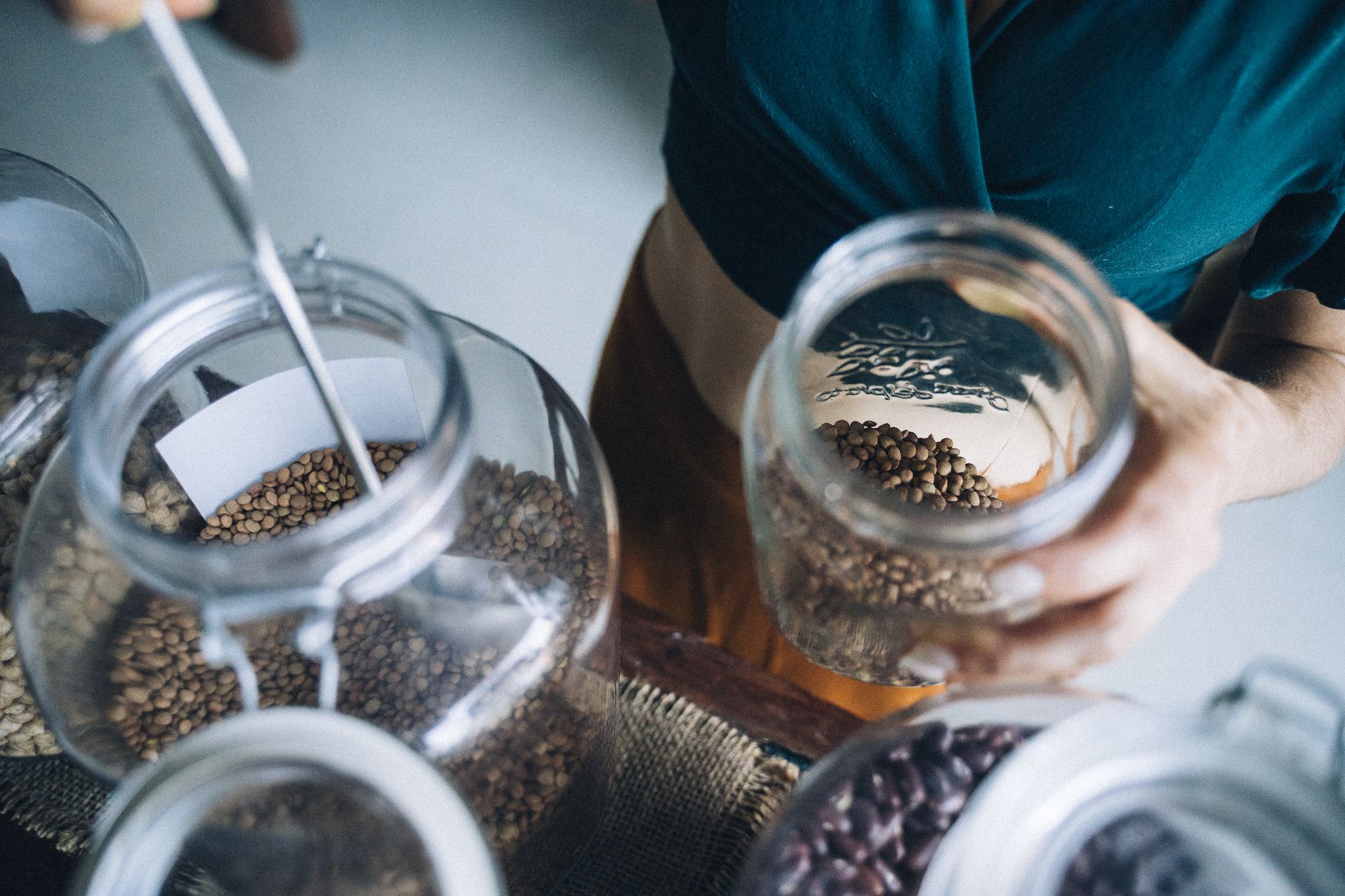
- Use airtight containers: Store dried beans in airtight containers, such as glass jars or plastic bins, to keep them safe from moisture and pests.
- Choose a cool, dark place: Beans should be kept in a cool, dark area, away from direct sunlight and heat sources, as light and heat can degrade their quality.
- Avoid humidity: High humidity can lead to mold growth or insect infestations. Keep beans in a dry area and consider using silica gel packets in the storage container.
- Label containers: Use labels with the purchase date on your storage containers to keep track of how long the beans have been stored.
Typical Shelf Life of Dried Beans
The shelf life of dried beans can vary based on the variety and storage conditions. While beans can last indefinitely if stored properly, here are some general guidelines:
| Type of Bean | Typical Shelf Life |
|---|---|
| Black Beans | 3–5 years |
| Pinto Beans | 3–5 years |
| Kidney Beans | 3–5 years |
| Chickpeas | 4–5 years |
| Great Northern Beans | 3–5 years |
Signs of Spoilage in Dried Beans
While dried beans have a long shelf life, it is important to be aware of the signs that they may have gone bad or lost their quality. Here are some criteria to consider:
Visual Inspection
- Color changes: If the beans have noticeable discoloration or dark spots, it may indicate mold growth or spoilage.
- Insects: If you find any signs of insect activity, such as tiny holes or larvae, it is best to discard the beans.
- Mold: Any presence of mold on the beans means they should not be consumed.
Textural Changes
- Warped shape: Beans that look misshapen or shriveled may be over-the-hill.
- Softness: Dried beans should feel hard. If they are soft or have a spongy texture, discard them.
Smell Test
- Off odors: Fresh dried beans have a neutral smell. If you detect any rancid or sour odors, it’s best to err on the side of caution and throw them away.
Cooking Tests
- Long cooking time: If dried beans take significantly longer to cook than expected (beyond normal cooking times of 1–2 hours), they may have lost their integrity.
- Under-cooked texture: If beans remain hard or gritty even after cooking long enough, this indicates old beans.
Reviving Old Dried Beans
If you find that your dried beans are older but don’t show visible signs of spoilage, you may still be able to use them with some adjustments:
- Soaking: Soaking dried beans in water for 8–12 hours can help them rehydrate. Use plenty of water, as dry beans can absorb significant amounts.
- Cooking: If the beans are old and a bit tough, cook them for a longer time than usual to help soften them up. You may need to check them periodically.
Using Dried Beans in Your Cooking
Dried beans can be used in a variety of dishes, adding texture and flavor. Here are some ideas for incorporating them into your meals:
- Soups and stews: Beans are an excellent addition to soups and stews for added protein and heartiness.
- Salads: Cooked beans can add substance to salads, providing a nutritious base or topping.
- Chilis: Beans are a staple in many chili recipes, contributing to both flavor and texture.
- Sides and dips: Pureed beans can be turned into delicious dips like hummus or served as a side dish.
Practical Tips for Cooking with Dried Beans
Preparation
- Check for debris: Before soaking or cooking, sift through the beans for any small stones or debris.
- Soak the beans: Soaking can reduce cooking time. You can do a quick soak by boiling them for 2-3 minutes and letting them sit for an hour.
- Rinse: After soaking, rinse the beans under cold water to remove any remaining debris or dirt.
Cooking Methods
- Stovetop: Bring beans to a boil in a pot with enough water to cover them by a few inches, then reduce heat, cover, and simmer until tender (usually 1-2 hours).
- Slow cooker: Combine soaked beans and water in a slow cooker and cook on low for 6-8 hours or high for 3-4 hours.
- Pressure cooker: For a quick method, place soaked beans in a pressure cooker with water and cook for 30-40 minutes.
Flavoring
Beans can benefit from added aromatics and seasonings such as garlic, onion, bay leaves, and herbs. These enhancements can add depth to your dishes.
Common Mistakes When Cooking with Dried Beans
- Not soaking: Skipping the soaking process can result in longer cooking times and less appealing texture.
- Overcooking: Allowing beans to cook for too long can lead to mushiness; check regularly for doneness.
- Adding salt too soon: Adding salt early in the cooking process can prevent beans from softening. It’s best to add salt toward the end.
Conclusion
Dried beans are a versatile, healthy, and cost-effective ingredient for every kitchen. By understanding how to store them properly, recognizing spoilage signs, and knowing how to cook them, you can enjoy their many benefits without worry. Always take steps to ensure proper storage and remain vigilant about quality checks.
Explore more about food storage in our guide on how long beans last in the fridge or discover a delicious Great Northern beans recipe to enrich your meal planning. Enjoy your cooking adventures!