
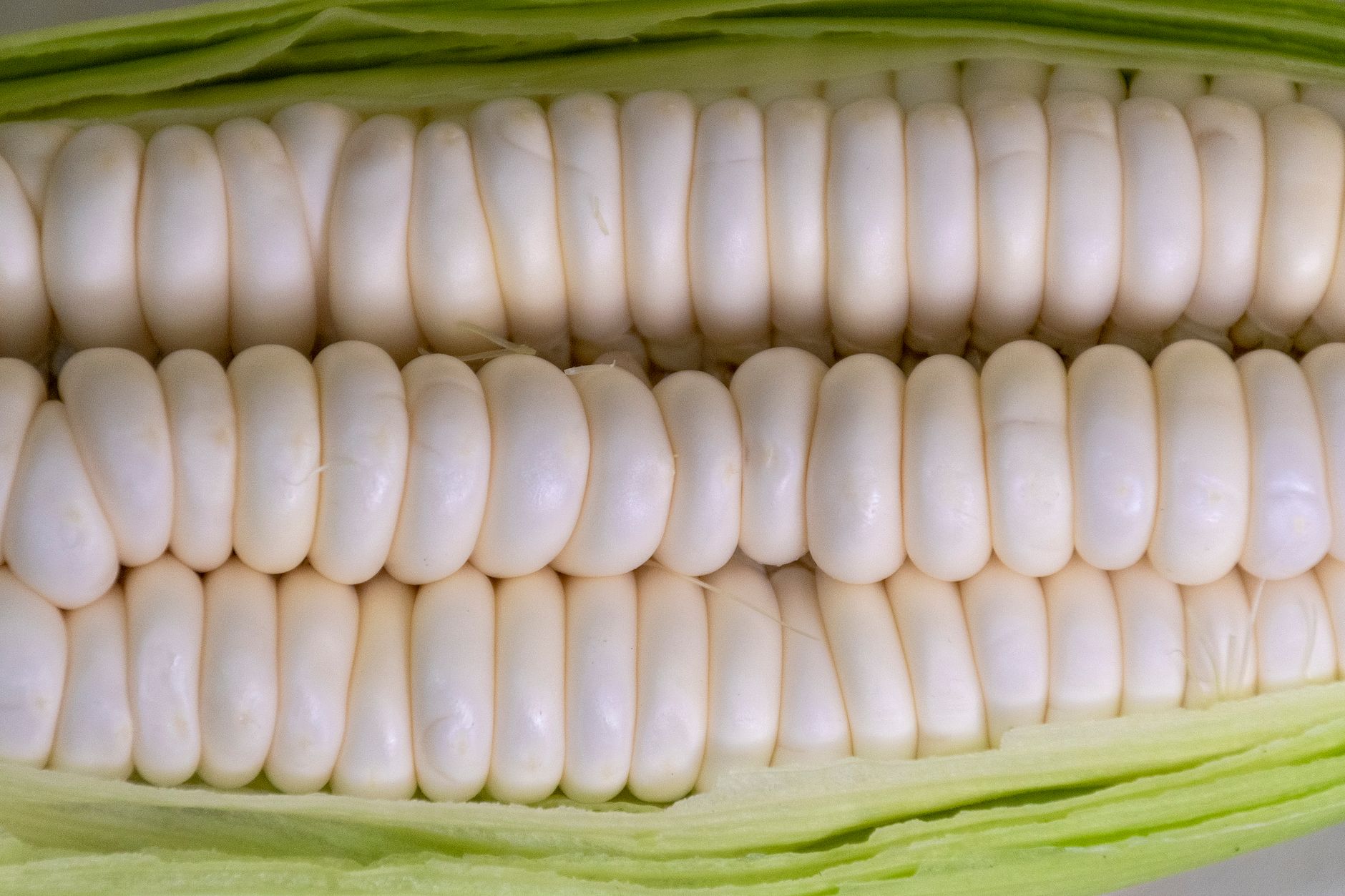
Understanding what “non-GMO” means is essential for informed food choices. Non-GMO refers to foods that are free from Genetically Modified Organisms, which have had their DNA altered in specific ways through genetic engineering. This article explores the origins of non-GMO, its implications in food history, and how it has influenced food traditions worldwide.
The conversation around non-GMO foods has gained momentum over the past few decades, driven by consumer demand for more natural food options. This trend has both culinary and ethical implications, providing a clearer perspective on different food selections for health-conscious individuals.
What Does Non-GMO Mean?
Non-GMO stands for “non-genetically modified organisms.” In simple terms, it describes foods that are not derived from plants or animals whose genetic material has been modified in a laboratory setting. Instead, these foods arise from traditional breeding techniques. Non-GMO foods include fruits, vegetables, grains, and livestock raised without genetic modification. Understanding this term is crucial for consumers who wish to avoid genetically engineered foods.
The Origins of Genetic Modification
The practice of modifying crops dates back centuries, beginning with selective breeding. Farmers have always chosen plants or animals with desirable traits to produce offspring. However, with advancements in scientific technology, particularly in the 20th century, genetic modification transitioned into a more precise practice involving laboratory techniques.
Early Developments
Genetic engineering first emerged in the 1970s, allowing scientists to manipulate the DNA of organisms. Early applications were focused on crops, aiming to enhance desirable traits such as pest resistance, drought tolerance, and faster growth rates. The first genetically modified organisms approved for human consumption were tomatoes in the early 1990s, leading to increased adoption across various agricultural sectors.
Reasons for Non-GMO Foods
The choice to consume non-GMO foods often stems from a variety of concerns. Below are some reasons why individuals opt for non-GMO products:
- Health Concerns: Some consumers believe that GMO foods may pose health risks, although scientific studies generally support their safety.
- Environmental Impact: Non-GMO farming practices are often perceived as more sustainable, preserving biodiversity and soil health.
- Ethical Considerations: Many people prefer to support natural farming methods, feeling a stronger connection to traditional agricultural practices.
- Food Quality: Some argue that non-GMO foods offer better taste and nutritional value, although this remains subjective.
Food History and Non-GMO Traditions
Food history is rich with stories of traditions that have withstood the test of time. Many of these traditions emphasize the use of indigenous crops and livestock raised without genetic modification. This history has undoubtedly shaped many culinary practices around the world.
The Rise of Organic and Non-GMO Certifications
In recent years, the rise of organic farming has aligned closely with the non-GMO movement. The organic certification largely prohibits the use of genetically modified seeds. As a result, many farmers who pursue organic farming principles automatically qualify as non-GMO. The USDA established its Organic seal to provide consumers with the assurance they seek.
Global Perspectives on Non-GMO Practices
Food traditions around the globe have different interpretations of non-GMO practices. For instance, traditional Mediterranean diets utilize local and seasonal ingredients, often free from genetic modifications. In many Asian cultures, rice varieties are revered, with heirloom strains celebrated for their flavor and history.
Identifying Non-GMO Foods
As a consumer, it’s crucial to know how to identify non-GMO foods. Here are reliable steps to ensure the authenticity of your food selection:
Look for Certifications
Several organizations certify non-GMO products, providing trustworthy labels that consumers can rely on:
- Non-GMO Project Verified: One of the most popular certifications in North America, signifying a product has been tested and meets specific non-GMO standards.
- USDA Organic: While not exclusively non-GMO, the USDA Organic label guarantees no genetic modification alongside other organic farming practices.
Check Ingredient Labels
Be vigilant in reading ingredient lists on food products. Common genetically modified crops include corn, soybeans, and cotton. If a product lists these ingredients, consider checking for a non-GMO certification to verify its authenticity.
Know Your Brands
Some brands have taken proactive stances regarding GMOs, producing exclusively non-GMO products. Researching brands can help you make informed choices and support companies that align with your values.
Navigating the Non-GMO Landscape in Your Kitchen
Understanding what non-GMO means is just the beginning. Here’s how to incorporate non-GMO foods into your daily meals:
Shopping for Non-GMO Ingredients
When shopping, consider these tips to help you find suitable non-GMO foods:
- Shop at local farmers’ markets where farmers often grow heirloom varieties free from genetic modification.
- Purchase organic products that come with the USDA Organic label, ensuring they are non-GMO by default.
- Consider joining a Community Supported Agriculture (CSA) group, often spotlighting non-GMO practices.
Meal Planning with Non-GMO Foods
For those who want to be intentional about including non-GMO foods in their diets, meal planning is a practical approach. Here are some tips:
- Prepare a weekly menu that emphasizes whole, unprocessed foods such as fresh vegetables, fruits, whole grains, and legumes.
- Focus on purchasing proteins raised without antibiotics or hormones, ensuring they also come from non-GMO sources.
- Incorporate diverse ingredients to enhance nutritional value and flavor, while staying within the non-GMO sphere.
Common Non-GMO Ingredients and Their Uses
To facilitate your cooking endeavors, here are several common non-GMO ingredients and their culinary applications:
1. Quinoa
Quinoa is a nutrient-rich grain alternative that works well in salads, side dishes, or as a rice substitute. It has a fluffy texture and nutty flavor.
2. Heirloom Varieties
Heirloom tomatoes or peppers are ideal for salads or sauces, offering diverse flavors compared to conventional breeds.
3. Non-GMO Canola Oil
Used for frying or salad dressings, non-GMO canola oil offers a neutral taste and light texture for cooking.
4. Organic Legumes
Beans, lentils, and chickpeas are versatile ingredients for stews, salads, or plant-based protein sources. Opt for organic to ensure non-GMO quality.
Recipe Sample: Non-GMO Vegetable Stir-fry
This non-GMO vegetable stir-fry showcases a variety of vibrant, seasonal vegetables. It’s quick to prepare, healthy, and full of flavor.
Ingredients:
- 2 cups non-GMO broccoli, cut into florets
- 1 cup non-GMO bell peppers, sliced
- 1 cup non-GMO carrot, julienned
- 1 cup non-GMO snap peas
- 2 tablespoons non-GMO soy sauce or tamari
- 1 tablespoon non-GMO canola oil
- 2 cloves garlic, minced
- ½ teaspoon freshly grated ginger (optional)
Instructions:
- Heat canola oil in a large skillet over medium-high heat.
- Add minced garlic and ginger, quickly sautéing until fragrant.
- Add the broccoli, bell peppers, carrots, and snap peas. Stir-fry for 5-7 minutes or until vegetables are tender-crisp.
- Pour in the soy sauce or tamari, stirring to coat the vegetables evenly. Sauté for an additional 1-2 minutes.
- Remove from heat and serve hot. Enjoy this colorful dish as a main course or a side.
Storing Non-GMO Ingredients
Proper storage can help maintain the freshness of non-GMO ingredients. Here are some tips for storing common items:
- Store grains and legumes in airtight containers in a cool, dark place to prevent spoilage.
- Keep fresh vegetables in the refrigerator, ideally in the crisper drawer, to prolong their shelf life.
- Herbs can be stored in water in a jar on the counter or wrapped in a damp paper towel and placed in a bag in the fridge.
Common Mistakes to Avoid
When navigating the world of non-GMO foods, here are common pitfalls to watch out for:
- Assuming all organic foods are also non-GMO. While this is usually correct, it’s important to check labels for added reassurance.
- Not researching brands. Some companies may mislabel offerings; always look for credible certifications.
- Neglecting other food quality factors, such as sustainability or local sourcing.
Conclusion
Understanding non-GMO foods is essential in today’s food landscape. By knowing how to identify, select, and incorporate non-GMO ingredients into your meals, you can make informed dietary choices. This knowledge contributes not only to your own health but also to the sustainability of our agricultural systems.
Explore related recipes, cooking tips, or food guides such as understanding what a good substitute for rosemary is, or learning about chia seeds to enrich your culinary experiences.