
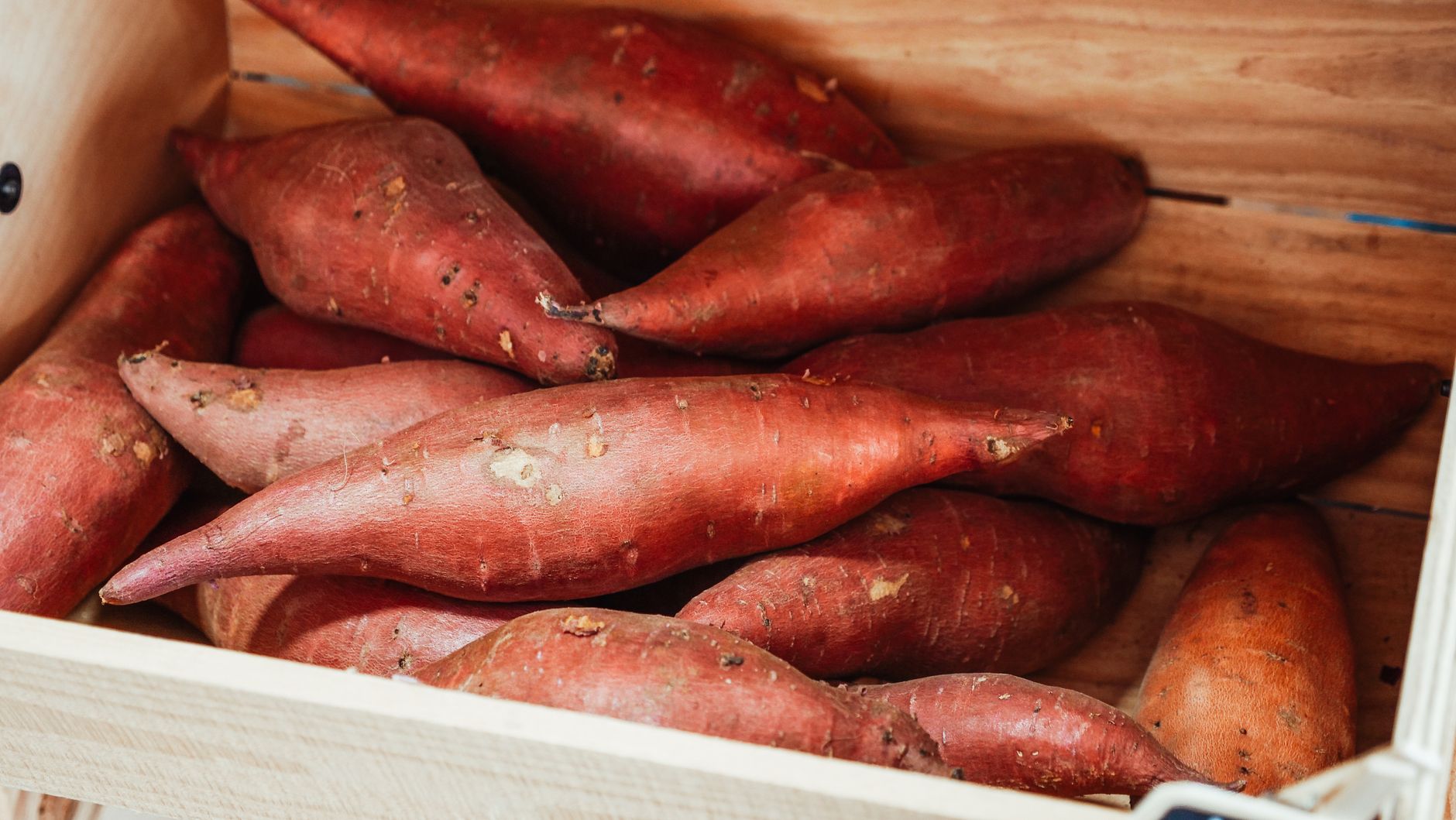
Many dog owners are often curious about the foods that are safe to share with their furry friends. One common question that arises is whether dogs can eat yams. This tuber has been gaining popularity not just as a versatile ingredient for human meals, but also for its potential health benefits.
This article explores whether yams are a safe and nutritious option for dogs, how they can be prepared, and what to watch out for. Read on to learn more about including yams in your dog’s diet.
Can Dogs Eat Yams?
Yes, dogs can eat yams in moderation. Yams are generally safe for dogs and can even provide a variety of health benefits. They are rich in vitamins, minerals, and fiber, which can contribute positively to a dog’s diet. However, it is essential to prepare yams correctly and to introduce them slowly to your pet’s diet to avoid any digestive issues.
What Are Yams?
Yams are starchy tubers that belong to the genus Dioscorea, often confused with sweet potatoes. Yams have a dry, starchy texture and can vary in color, from white to yellow, purple, or even pink. While sweet potatoes are more commonly found in many households, yams also offer unique nutritional benefits.
Yams are known for their earthy flavor and creamy texture once cooked. In many parts of the world, especially in Africa and the Caribbean, yams are a staple food that sustains many communities.
Nutritional Benefits of Yams for Dogs
Yams can be nutritious for dogs when prepared correctly. Here are some benefits:
- Rich in Vitamins: Yams are loaded with vitamins A and C, which are essential for maintaining a healthy immune system in dogs.
- High in Fiber: The fiber content in yams helps with digestion and can aid in keeping a dog’s bowel movements regular.
- Low in Fat: Yams are low in fat, making them a wholesome treat for dogs that need to watch their weight.
- Source of Antioxidants: Yams contain antioxidants that can help fight inflammation and support overall health in dogs.
How to Prepare Yams for Your Dog
Preparation is key when it comes to feeding yams to dogs. Here are some recommended steps:
- Choose Fresh Yams: Select firm, unblemished yams that are free from signs of spoilage.
- Wash Thoroughly: Wash the yams under running water to remove any dirt or pesticides.
- Cook Properly: Boil, steam, or bake the yams without any oils, seasonings, or additives. Never serve raw yams, as they can be hard on a dog’s digestive system.
- Cut into Small Pieces: Once cooked, cut the yams into small, manageable pieces to avoid choking hazards.
- Cool Down: Allow the yams to cool before serving to prevent burns.
Feeding Guidelines for Dogs
When introducing yams into your dog’s diet, moderation is critical. Here are some guidelines:
- Start Small: Begin with a small piece to see how your dog reacts before gradually increasing the amount.
- Occasional Treat: Use yams as an occasional treat rather than a regular meal component to maintain balanced nutrition.
- Watch for Reactions: Monitor your dog for digestive issues after introducing yams, such as excessive gas or diarrhea.
Potential Risks of Feeding Yams to Dogs
While yams are generally safe, there are some important considerations to keep in mind:
- Allergies: Some dogs may be allergic to yams. If your dog shows signs of an allergic reaction, stop feeding yams immediately and consult your veterinarian.
- Preparation Errors: Avoid adding seasonings, butter, or oils when preparing yams for your dog, as these can be harmful.
- Digestive Issues: Feeding too much yam at once can lead to digestive upset. Always start with small quantities.
Yams vs. Sweet Potatoes: Which Is Better for Dogs?
Yams and sweet potatoes are often confused, but they have different nutritional profiles. While both can be safe for dogs, sweet potatoes are typically sweeter and may be easier for some dogs to digest. Sweet potatoes also contain beta-carotene, which is converted to vitamin A in the body, offering additional health benefits.
Ultimately, both yams and sweet potatoes can be included in your dog’s diet. It’s best to evaluate your dog’s tastes and preferences, trying each in moderation to see which one they enjoy more.
Creative Ways to Incorporate Yams into Your Dog’s Diet
Yams can be an enjoyable addition to your dog’s meals or treats. Here are some creative ideas for incorporating yams into their diet:
- Yam Mash: Boil and mash cooked yams, mixing them with your dog’s regular food for added flavor and nutrition.
- Yam Treats: Bake yams into homemade dog treats by mixing them with whole wheat flour or oats.
- Yam Puree: Blend cooked yams with some unsweetened apple sauce or plain yogurt and serve as a zesty snack.
- Yam and Meat Mix: Combine diced yams with lean meats like chicken or turkey for a hearty meal.
Common Mistakes When Feeding Yams to Dogs
Feeding yams to dogs can be simple, but there are some common pitfalls to avoid:
- Adding Seasonings: Always remember that dogs should not consume foods seasoned with salt, garlic, or onion, which can be toxic.
- Feeding Raw: Serving raw yams is a mistake; always cook them thoroughly first.
- Ignoring Allergies: Not all dogs can handle the same foods. Always consult your veterinarian if you’re unsure about introducing new items into their diet.
- Overfeeding: Treat yams as an occasional treat rather than as a meal replacement, maintaining balanced nutrition.
How to Store Yams for Dogs
When it comes to food storage, yams have specific requirements to ensure they remain fresh and safe for consumption:
- Raw Storage: Store raw, unpeeled yams in a cool, dark place for several weeks. Avoid refrigerating raw yams as they can get damaged in cold temperatures.
- Cooked Storage: If you have leftover cooked yams, store them in an airtight container in the refrigerator. They should be consumed within 3 to 5 days.
- Freezing: Cooked yams can be frozen for up to 6 months. Cut them into small portions, wrap them tightly, and label them before freezing.
Feeding Yams to Dogs with Dietary Restrictions
If your dog has specific dietary restrictions, consult your veterinarian before introducing yams. Here are some considerations:
- Diabetes: Dogs with diabetes may need to be cautious about carbohydrate intake, including yams.
- Allergies: If your dog has known food allergies, it is critical to ensure that yams do not trigger any adverse reactions.
- Obesity: For overweight dogs, ensuring that yams are given in moderation and as part of a balanced diet is essential.
Conclusion
Incorporating yams into your dog’s diet can provide a host of nutrients and flavors they may love. Always ensure they are prepared properly and introduced gradually. When fed in moderation, yams can serve as an enjoyable and nutritious snack that contributes positively to your dog’s overall health.
For more delicious recipes, consider trying candied yams with marshmallows for yourself, or check out a purple sweet potato recipe for another tasty treat that might benefit your dog as well!