
Nothing beats the creamy tang of homemade buttermilk, which adds a delightful richness to baked goods and savory dishes alike. This recipe is special because it’s incredibly simple and uses just two ingredients; plus, it takes less time than a coffee break!
With its velvety texture and slight acidity, homemade buttermilk transforms pancakes, biscuits, and dressings into something extraordinary. Let’s dive right into making this kitchen staple that will elevate your cooking.
Why You’ll Love This Recipe
This recipe is a must-try for anyone who loves to cook and bake.
- Quick and easy to make.
- Uses common ingredients you probably already have.
- Perfect for baking, cooking, and more.
- Creates a fresher taste compared to store-bought buttermilk.
- Customizable with different types of milk.
My Experience Making This Recipe
The first time I made buttermilk at home, I was amazed at how effortless it was. Just mix milk and acid, let it sit, and voilà—instant buttermilk!
I remember using it in fluffy pancakes that turned out perfectly tender and flavorful. It was a total hit, and I haven’t looked back since!
Recipe Overview
- Recipe Name: Buttermilk
- Servings: 1 cup
- Prep Time: 5 minutes
- Cook Time: 0 minutes
- Total Time: 5 minutes
- Course: Condiment
- Cuisine: American
- Calories per Serving: 100
Equipment You Will Need
- Measuring cup
- Mixing bowl
- Whisk or spoon
- Container for storage
Ingredients for Buttermilk
- 1 cup milk (whole or low-fat works best)
- 1 tablespoon white vinegar or lemon juice
Ingredient Notes and Substitutions
- Milk: It provides the base for buttermilk. You can substitute with any milk type, including almond or soy milk.
- Vinegar or lemon juice: This acid thickens the milk and gives it a tangy flavor. You can use apple cider vinegar as an alternative.
How to Make Buttermilk
Step 1: Measure the Milk
Start by measuring out 1 cup of your choice of milk. This is the base of your buttermilk, so make sure it’s fresh.
Step 2: Add the Acid
Add 1 tablespoon of white vinegar or lemon juice to the milk. This acid will curdle the milk slightly and give it that characteristic tang.
Step 3: Stir to Combine
Whisk or stir the mixture gently until combined. You want the acid to be evenly distributed throughout the milk.
Step 4: Let It Sit
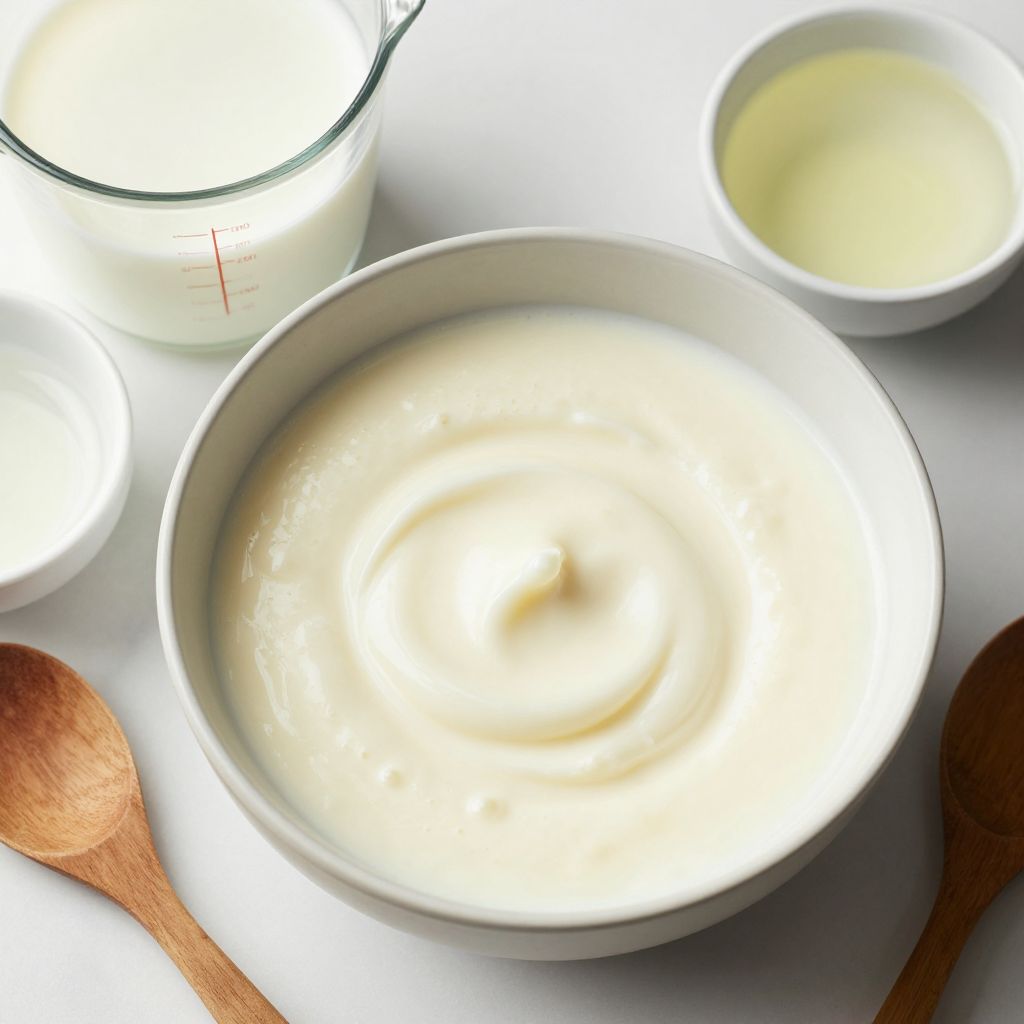
Allow the mixture to sit at room temperature for about 5-10 minutes. This waiting period lets the milk curdle and thicken, mimicking buttermilk.
Step 5: Check the Consistency
After resting, you should see some thickening and curdling. This is a good sign that your buttermilk is ready!
Step 6: Use or Store
Use the buttermilk immediately in your recipes or transfer it to a sealed container. If storing, keep it in the refrigerator for up to a week.
Step 7: Shake Before Using
If your buttermilk has been sitting, give it a gentle shake or stir before using. This ensures the texture is consistent throughout.
Step 8: Enjoy Your Buttermilk
Now, you have fresh homemade buttermilk ready to enhance your favorite dishes. Enjoy the flavor boost it brings!
Pro Tip: Always use fresh milk for the best results; avoid expired milk for this recipe.
Tips for the Best Buttermilk
- Use whole milk for a creamier buttermilk.
- Let it sit longer if you prefer a thicker consistency.
- Try different acids to see which flavor you like best.
- Make a larger batch and store it for later use.
- Shake well before using in recipes to ensure even texture.
Common Mistakes to Avoid
- Using expired milk can result in an off taste. Always check the date.
- Skipping the resting period can lead to a thinner consistency. Patience is key!
- Not measuring the acid correctly may result in a flavor imbalance. Precision matters.
- Storing buttermilk too long can lead to spoilage. Use it within a week.
Serving Suggestions
Homemade buttermilk is versatile and can elevate a variety of dishes.
- Pancakes and waffles
- Biscuits and scones
- Salad dressings
- Marinades for chicken
- Homemade ranch dip
Variations to Try
- Use almond milk for a dairy-free version.
- Try coconut milk for a tropical twist.
- Add herbs or spices to the milk for a flavored buttermilk.
- Use buttermilk in place of yogurt in recipes for a tangy flavor.
Dietary Adaptations
- Gluten-free: This recipe is naturally gluten-free.
- Dairy-free: Use almond or soy milk instead of dairy milk.
- Vegan: Substitute with plant-based milk and acid.
- Low-carb/Keto: Use unsweetened almond milk for a low-carb option.
Storage and Reheating
Refrigerator
Store buttermilk in an airtight container in the refrigerator.
- Keep it for up to one week.
- Check for spoilage before use.
Freezer
Buttermilk can be frozen for longer storage.
- Pour into ice cube trays for easy portioning.
- Label and store in the freezer for up to three months.
Reheating
There’s no need to reheat buttermilk, just shake or stir before using.
- Use directly from the fridge or thawed from the freezer.
Nutrition Information
| Nutrient | Amount |
|---|---|
| Calories | 100 |
| Total Fat | 5g |
| Saturated Fat | 3g |
| Carbohydrates | 8g |
| Fiber | 0g |
| Sugar | 8g |
| Protein | 8g |
| Sodium | 105mg |
| Cholesterol | 20mg |
Nutrition values may vary based on specific ingredients used.
Frequently Asked Questions
Can I use low-fat milk instead of whole milk?
Yes, low-fat milk works well, but the texture may be slightly thinner.
Can I make buttermilk ahead of time?
Absolutely! You can make it a day before you need it and store it in the fridge.
How do I know if my buttermilk has gone bad?
If it smells sour or has curdled too much, it’s time to toss it.
Can I use buttermilk in baking recipes?
Yes, it’s perfect for pancakes, cakes, and muffins, adding moisture and flavor.
What can I substitute for buttermilk in recipes?
You can use yogurt mixed with water or milk as a substitute for buttermilk.
Final Thoughts
Making your own buttermilk is a rewarding and simple process that opens the door to many delicious dishes. With just two ingredients, you can enjoy a fresher and tastier version that enhances your cooking.
So go ahead, whip up this easy recipe and elevate your next meal. Don’t forget to check out my other favorite recipes like buttermilk pound cake and discover the best substitutes for rosemary!
Buttermilk
Ingredients
Equipment
Method
- Measure 1 cup of your choice of milk.
- Add 1 tablespoon of white vinegar or lemon juice to the milk.
- Whisk or stir the mixture gently until combined.
- Allow the mixture to sit at room temperature for about 5-10 minutes.
- Check the consistency; it should show some thickening and curdling.
- Use immediately in recipes or transfer to a sealed container for storage.
- If storing, keep in the refrigerator for up to a week.