
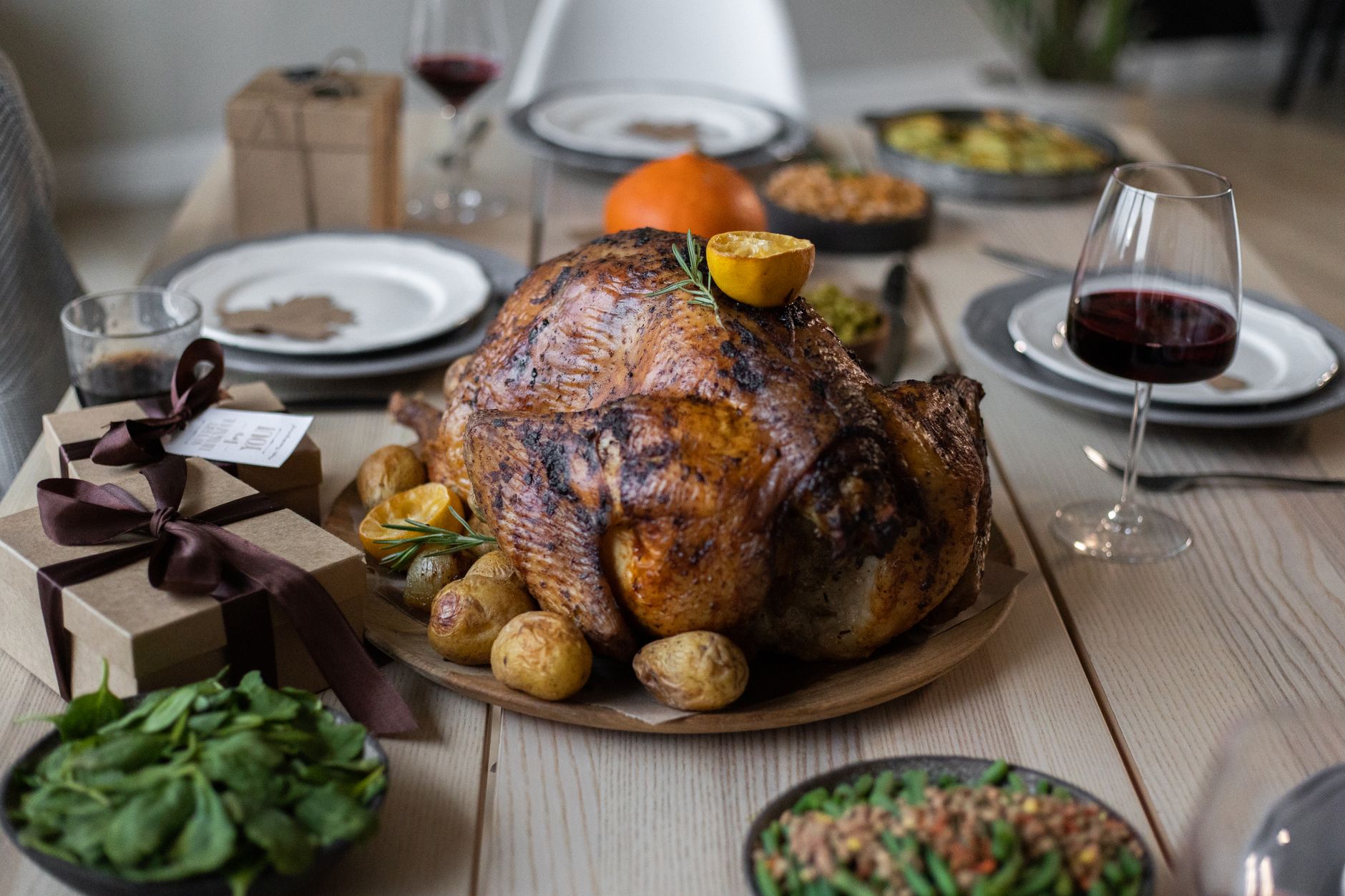
Cooking the perfect turkey is a critical skill, especially during the holiday season. Understanding the ideal cooking temperature ensures that your turkey is safe to eat while remaining juicy and flavorful. This guide will illuminate the aspects of turkey cooking, sharing essential temperature guidelines, timing, doneness tips, and more.
Whether you are preparing a turkey for Thanksgiving, Christmas, or any special occasion, having the right temperature in mind is crucial. It affects not only the safety of the meat but also its tenderness and flavor. Let’s delve into the specifics.
At What Temperature Is Turkey Cooked?
The recommended internal cooking temperature for turkey is 165°F (74°C). This temperature applies to both whole turkeys and turkey parts. Utilizing a reliable food thermometer is essential for checking doneness accurately. Cooked turkey at this temperature should have clear juices and no pinkish tinge.
The Importance of Using a Food Thermometer
Using a food thermometer is the best way to ensure that your turkey is cooked thoroughly. Estimating by sight alone can be misleading, as color and texture can vary widely in poultry. A thermometer eliminates guesswork, giving you confidence in your cooking results.
Types of Food Thermometers
- Instant-Read Thermometers: These provide a quick reading when inserted into the thickest part of the turkey, generally the thigh or breast.
- Probe Thermometers: These can be left in the turkey while it cooks, beep when the target temperature is reached, and often allow for logging temperature over time.
- Meat Thermometers: These are often oven-safe and display temperatures as the meat cooks.
How Long to Cook Turkey?
The cooking time for turkey varies based on its weight and whether it is stuffed or unstuffed. Here’s a general guideline:
Cooking Time Estimates
| Weight | Unstuffed Cooking Time | Stuffed Cooking Time |
|---|---|---|
| 8-12 lbs | 2 ¾ to 3 hours | 3 to 3 ½ hours |
| 12-14 lbs | 3 to 3 ¾ hours | 3 ½ to 4 hours |
| 14-18 lbs | 3 ¾ to 4 ¼ hours | 4 to 4 ¼ hours |
| 18-20 lbs | 4 ¼ to 4 ½ hours | 4 ¼ to 4 ¾ hours |
| 20-24 lbs | 4 ½ to 5 hours | 4 ¾ to 5 ¼ hours |
These timings are estimates and can vary based on oven temperature fluctuations, initial turkey temperature, and other factors. Always rely on a thermometer for the best accuracy.
Doneness Tips
In addition to temperature, visual cues also help in determining the turkey’s doneness:
- The juices should run clear when the thickest part is pierced.
- There should be no signs of pink in the meat.
- The legs should move freely, indicating tenderness.
Bear in mind that the turkey’s temperature may rise by 5°F after being removed from the oven, a phenomenon known as carryover cooking.
Preparing the Turkey for Cooking
Preparation is key to a juicy, flavorful turkey. Here are some essential steps:
Defrosting the Turkey
Always thaw your turkey safely in the fridge, in cold water, or in the microwave. To defrost in the fridge, allow about 24 hours for every 4-5 pounds of turkey.
Brining or Marinating
Brining your turkey adds moisture and flavor. A simple brine can involve water, salt, and optional spices. Soak the turkey in the brine for at least 12 hours, and then rinse it well before cooking.
Cooking Methods
Several cooking methods are available for preparing turkey, each yielding different flavor profiles and textures:
Roasting
Roasting is the classic choice for turkey. Here’s how to do it:
- Preheat your oven to 325°F (163°C).
- Place the turkey on a rack in a roasting pan, breast side up.
- Season the turkey generously with salt, pepper, and your choice of herbs.
- Add aromatics such as garlic, onion, or citrus inside the cavity for added flavor.
- Roast until the internal temperature reaches 165°F, checking the thickest part of the breast and thigh.
Grilling
Grilling turkey can provide a delightful smokiness. Key points include:
- Preheat your grill and establish a direct and indirect heat zone.
- Season the turkey as desired.
- Begin by cooking over the direct heat to start the skin browning, then move to indirect heat to finish cooking.
- Use a thermometer to ensure the internal temperature reaches at least 165°F.
Smoking
Smoking results in a rich flavor and moist meat. Here are the steps:
- Prepare your smoker and preheat to around 225°F (107°C).
- Insert wood chips of your choice for smoke flavor.
- Season the turkey and place it in the smoker.
- Monitor the temperature until it reaches 165°F.
Common Mistakes When Cooking Turkey
Even with careful planning, turkey cooking can go awry. Avoid these common pitfalls:
- Not using a thermometer leading to undercooked or overcooked meat.
- Overstuffing the turkey, which can affect cooking time and doneness.
- Starting with a cold turkey directly from the fridge.
Resting Your Turkey
Letting your turkey rest after cooking allows juices to redistribute, making it more tender and flavorful. Ideally, rest your turkey for at least 20-30 minutes before carving.
Storing Leftovers
Proper storage extends the life of your turkey leftovers:
- Cool the turkey quickly and refrigerate within 2 hours of cooking.
- Use airtight containers for optimal freshness.
- Consume leftovers within 3-4 days, or freeze for longer storage.
Reheating Turkey
When reheating turkey, retain moisture by adding a splash of broth or gravy and covering it with foil. Reheat in the oven at 325°F (163°C) until warmed through. Ensure the internal temperature reaches 165°F for safe consumption.
Serving Suggestions
When it comes to serving turkey, the options are plentiful:
- Pair with traditional sides such as stuffing, mashed potatoes, and cranberry sauce.
- For a fresh twist, serve with salads or roasted vegetables.
- Consider sandwiches or turkey salads made from leftovers for subsequent meals.
Why Choose Turkey?
Turkey is not only a holiday staple but also a versatile protein option year-round. It’s lean, packed with protein, and can be incorporated into various cuisines and dishes. Whether roasted, grilled, or smoked, turkey offers a satisfying meal experience.
Understanding cooking temperatures is crucial for achieving the allure of juicy, flavorful turkey while ensuring it’s safe to eat. The recommended temperature of 165°F for doneness is essential to remember. With the right preparation, attention to detail, and the right tools, you can master the art of turkey cooking.
If you’re looking for more cooking guidance, why not explore how long to cook turkey per pound here? Or, learn how to make a delicious turkey broth here.