
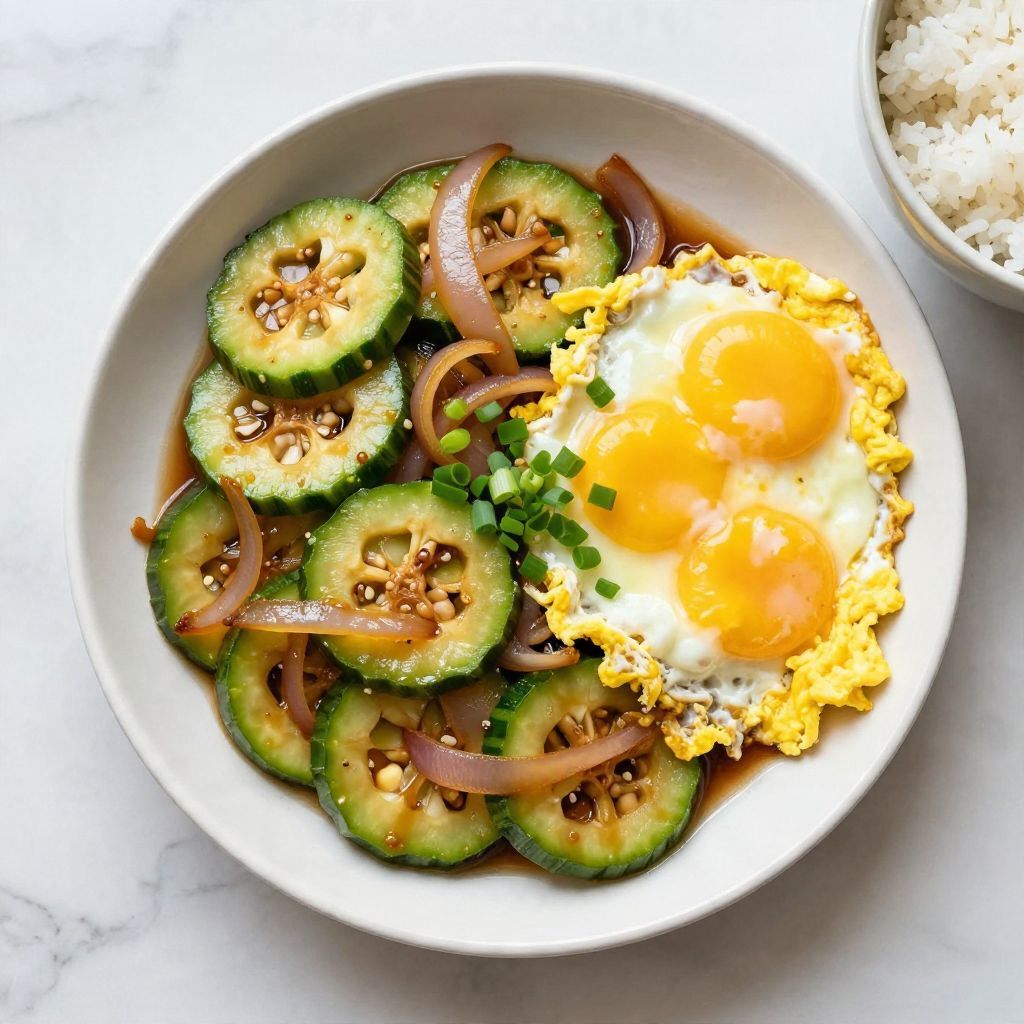
Ampalaya, or bitter melon, is a beloved ingredient in many Asian kitchens, known for its distinctively sharp flavor that sparks joy in every bite. This dish stands out for its unique taste and health benefits, making it a must-try for adventurous eaters and health enthusiasts alike.
Why You’ll Love This Recipe
This recipe brings out the best of ampalaya while being simple enough for weeknight dinners.
- Quick to prepare, making it perfect for busy nights.
- Healthy and packed with nutrients.
- Versatile, great as a side or main dish.
- Offers a delightful balance of flavors.
My Experience Making This Recipe
When I first tackled this recipe, I was hesitant about the bitterness of ampalaya. But after a few tries, I discovered how the right cooking techniques can mellow its sharpness, revealing layers of flavor that are simply irresistible.
Each time I serve it, the reactions are priceless. Family and friends are often surprised by how much they enjoy this dish, and it has quickly become a staple on our dinner table.
Recipe Overview
- Recipe Name: Ampalaya Recipe
- Servings: 4
- Prep Time: 15 minutes
- Cook Time: 10 minutes
- Total Time: 25 minutes
- Course: Main or Side Dish
- Cuisine: Filipino
- Calories per Serving: 150
Equipment You Will Need
- Cutting board
- Sharp knife
- Frying pan or wok
- Spatula or wooden spoon
- Measuring spoons
Ingredients for Ampalaya Recipe
- 1 medium ampalaya, sliced thinly
- 2 tablespoons cooking oil
- 1 medium onion, sliced
- 2 cloves garlic, minced
- 2 large eggs, beaten
- Salt, to taste
- Pepper, to taste
Ingredient Notes and Substitutions
- Ampalaya: This vegetable adds a unique bitterness, but you can substitute it with zucchini for a milder taste.
- Cooking oil: Use any neutral oil like canola or vegetable oil; olive oil can also work well.
- Onion: Yellow onion works best, but red onion can add a nice sweetness.
- Garlic: Fresh garlic is preferred, but garlic powder can be a quick substitute.
- Eggs: For a vegan option, replace eggs with tofu for a similar texture.
How to Make Ampalaya Recipe
Step 1: Prepare the Ampalaya
Start by slicing the ampalaya thinly. Thin slices will cook faster and ensure the bitterness melds beautifully with the other flavors.
Step 2: Soak in Salt
Sprinkle salt over the sliced ampalaya and let it sit for 10 minutes. This process helps draw out excess bitterness, making the final dish more enjoyable.
Step 3: Rinse and Drain
After soaking, rinse the ampalaya under cold water and drain well. This step removes the salt and a good amount of bitterness.
Step 4: Heat the Oil
In a frying pan or wok, heat the cooking oil over medium heat. Properly heated oil ensures even cooking and prevents sticking.
Step 5: Sauté the Aromatics
Add the sliced onion and minced garlic to the pan. Sauté for about 2 minutes until fragrant and the onion is translucent.
Step 6: Cook the Ampalaya
Add the prepared ampalaya to the pan and stir-fry for 5 minutes. This cooking method softens the vegetable while keeping it slightly crunchy.
Step 7: Add the Eggs
Push the vegetables to one side of the pan and pour in the beaten eggs. Scramble them until just set, then mix everything together.
Step 8: Season and Serve
Season your dish with salt and pepper to taste. Serve warm as a side or main dish, and enjoy!
Pro Tip: Always soak the ampalaya in salt before cooking to tame its bitterness and enhance the overall flavor.
Tips for the Best Ampalaya Recipe
- Use fresh ampalaya for the best taste and texture.
- Adjust cooking time based on your preferred crunchiness.
- Experiment with different spices to find your favorite flavor profile.
- Pair with a protein like chicken or shrimp for a complete meal.
- Garnish with green onions for a pop of color and flavor.
Common Mistakes to Avoid
- Not soaking the ampalaya: This can result in an overwhelmingly bitter dish.
- Overcooking the eggs: Keep them soft and slightly runny for better texture.
- Skipping the rinsing step: This can leave too much salt on the ampalaya.
- Using too much oil: This can make the dish greasy rather than light.
Serving Suggestions
Ampalaya pairs wonderfully with steamed rice or as a filling side to grilled meats.
- Serve with garlic rice for a flavorful combination.
- Pair with grilled chicken for a balanced meal.
- Top with a squeeze of lemon for added brightness.
- Enjoy alongside a spicy dipping sauce for extra zest.
Variations to Try
- Add diced tomatoes for a fresh, juicy element.
- Incorporate ground meat for added heartiness.
- Mix in other vegetables like bell peppers for a colorful medley.
- Top with cheese for a creamy texture contrast.
Dietary Adaptations
- Gluten-free: This recipe is naturally gluten-free.
- Dairy-free: Use plant-based eggs or skip the eggs for a dairy-free option.
- Vegan: Replace eggs with scrambled tofu or chickpea flour mixture.
- Low-carb/Keto: This dish is low in carbs, making it suitable for keto diets.
Storage and Reheating
Refrigerator
Store leftovers in an airtight container for up to 3 days.
- Refrigerate promptly after serving.
- Reheat in a pan over low heat to retain texture.
Freezer
For longer storage, freeze in a suitable container for up to 2 months.
- Thaw in the refrigerator before reheating.
- Reheat thoroughly before serving.
Reheating
Reheat the dish over low heat, stirring gently to avoid breaking up the eggs.
- Add a little water if it seems dry.
- Serve immediately after reheating for best results.
Nutrition Information
| Nutrient | Amount |
|---|---|
| Calories | 150 |
| Total Fat | 10g |
| Saturated Fat | 1g |
| Carbohydrates | 10g |
| Fiber | 3g |
| Sugar | 2g |
| Protein | 5g |
| Sodium | 200mg |
| Cholesterol | 100mg |
This nutritional information is an estimate and may vary based on specific ingredients used.
Frequently Asked Questions
Can I make this recipe ahead of time?
Yes, you can prepare the ampalaya and sauté it, then reheat it later for serving.
What if I don’t like bitter flavors?
Soaking the ampalaya in salt helps reduce bitterness significantly, making it more palatable.
Can I freeze the cooked ampalaya?
Yes, it can be frozen, but it is best enjoyed fresh to maintain its texture.
What can I serve with ampalaya?
This dish goes well with rice, grilled meats, or even as part of a vegetable platter.
How can I avoid overcooking the eggs?
Keep the heat low and stir gently to ensure that the eggs remain soft and slightly runny.
Final Thoughts
Trying out this Ampalaya Recipe might just surprise you with its delightful flavors and health benefits. Embrace the unique taste and enjoy a dish that is sure to become a favorite.
If you are looking for more delicious recipes, check out this Egg Foo Young recipe or explore this tasty Sauteed Cabbage recipe for more cooking inspiration.
Ampalaya Recipe
Ingredients
Equipment
Method
- Slice the ampalaya thinly.
- Sprinkle salt over the sliced ampalaya and let it sit for 10 minutes.
- Rinse the ampalaya under cold water and drain well.
- Heat cooking oil in a frying pan or wok over medium heat.
- Add sliced onion and minced garlic to the pan; sauté for about 2 minutes until fragrant.
- Add prepared ampalaya to the pan and stir-fry for 5 minutes.
- Push the vegetables to one side of the pan and pour in the beaten eggs; scramble until just set.
- Mix everything together and season with salt and pepper to taste.
- Serve warm as a side or main dish.