
There’s something almost magical about spooning into a cloud of mango mousse on a warm afternoon, that silky texture melting instantly on your tongue while the fruit flavor wraps around you like a gentle hug.
This mango mousse recipe is the kind of dessert that makes people think you’ve spent hours in the kitchen when you’ve really just whipped together a handful of ingredients in less than 20 minutes.
The combination of fresh mango puree, whipped cream, and a touch of sweetness creates a dessert that’s light yet deeply satisfying, elegant enough for dinner parties but simple enough for a weeknight craving.
Why You’ll Love This Recipe
This mousse hits that sweet spot between impressive and approachable, delivering restaurant-quality flavor with minimal fuss.
- Requires just 5 simple ingredients and no baking whatsoever
- Comes together in under 20 minutes from start to finish
- Perfect make-ahead dessert that actually tastes better the next day
- Naturally dairy-free and vegan adaptations are simple to execute
- Works beautifully as individual servings or one large showstopper
My Experience Making This Recipe
I first made this mousse on a random Tuesday night when I had three overripe mangoes sitting on my counter and zero energy for complicated cooking. The transformation from basic fruit to this ethereal dessert happened so quickly that I genuinely questioned whether I’d done something wrong.
My family’s reaction sealed the deal. My daughter actually paused mid-spoonful to ask if we’d somehow gotten this from a restaurant, and my partner went back for thirds.
Since then, I’ve made it at least two dozen times, experimenting with different mango varieties and toppings. The recipe is forgiving enough to handle variations but straightforward enough that nothing ever goes sideways.
Recipe Overview
- Recipe Name: Mango Mousse
- Servings: 4 servings
- Prep Time: 15 minutes
- Cook Time: 0 minutes
- Total Time: 15 minutes (plus 2 hours chilling)
- Course: Dessert
- Cuisine: Tropical
- Calories per Serving: 185
Equipment You Will Need
- Blender or food processor
- Electric mixer or whisk
- Large mixing bowl
- Medium mixing bowl
- Rubber spatula
- Measuring cups and spoons
- Serving glasses or bowls
Ingredients for Mango Mousse
- 2 cups fresh mango puree (about 4 medium mangoes, peeled and blended)
- 1 cup heavy whipping cream, cold
- 1/4 cup granulated sugar
- 2 tablespoons lime juice, freshly squeezed
- 1/4 teaspoon salt
Ingredient Notes and Substitutions
- Fresh mango puree provides the fruity backbone and natural sweetness that defines this dessert. If fresh mangoes aren’t available, use frozen mango chunks thawed and blended, or canned mango puree (avoiding anything with added sugar).
- Heavy whipping cream whips into clouds of air that lighten the mousse and create that signature texture. Heavy cream with at least 35% fat content is essential; half-and-half won’t whip properly.
- Granulated sugar balances the tartness of lime and enhances the mango flavor without adding texture. Honey or agave can substitute in equal amounts, though they’ll slightly change the final consistency.
- Lime juice adds brightness and prevents the mousse from tasting flat or overly sweet. Lemon juice works as a 1:1 swap, creating a slightly sharper flavor profile.
- Salt rounds out all the flavors and prevents the sweetness from becoming cloying. Never skip this ingredient, as it transforms the taste completely.
How to Make Mango Mousse
Step 1: Prepare Your Mango Puree
Select ripe mangoes that yield slightly to gentle pressure and smell fragrant. Cut the flesh away from the pit, scoop into a blender with a splash of water if needed, and blend until completely smooth with no chunks remaining.
Step 2: Strain the Puree
Pour the mango puree through a fine-mesh strainer into a bowl, pressing gently with a spatula to remove any fibrous bits that might create a grainy texture. This step takes just a minute and delivers noticeably smoother results.
Step 3: Add Lime Juice and Salt to Mango
Pour the strained mango puree into a large mixing bowl and stir in the freshly squeezed lime juice and salt. The lime juice brightens the mango flavor and prevents the mousse from tasting one-dimensional.
Step 4: Chill Your Mixing Bowl and Beaters
Pop your mixing bowl and electric mixer beaters into the freezer for 5 minutes while you prepare the cream. Cold equipment helps the cream whip faster and reach better peaks.
Step 5: Whip the Heavy Cream
Pour the cold heavy cream into your chilled bowl and begin beating on high speed. Watch carefully as the cream transforms from liquid to soft peaks, which takes about 2 to 3 minutes.
Step 6: Add Sugar and Continue Whipping
Once the cream reaches soft peaks, sprinkle the sugar over the top and continue beating until the mousse reaches stiff peaks that hold their shape. This takes another 1 to 2 minutes of beating.
Step 7: Fold Mango Into Whipped Cream
Using a rubber spatula, gently fold the mango puree mixture into the whipped cream using a bottom-to-top motion. Fold slowly and deliberately to maintain the airiness you’ve created in the cream.
Step 8: Divide Into Serving Glasses
Spoon the mousse into chilled serving glasses or bowls, dividing it evenly among your servings. You can serve immediately for a softer texture or chill for up to 2 hours for a firmer consistency.
Pro Tip: The secret to silky mousse texture is folding gently instead of stirring vigorously, which preserves the whipped cream’s airy structure and creates that cloud-like bite.
Tips for the Best Mango Mousse
- Use the ripest mangoes you can find, as underripe fruit will taste stringy and flavorless no matter what else you do. A ripe mango should smell fragrant and yield slightly to pressure.
- Don’t skip the straining step even though it seems tedious, as removing the fibrous bits makes a noticeable difference in mouthfeel. The extra minute is completely worth it.
- Keep all your equipment cold before whipping the cream, which helps it reach peaks faster and hold its structure longer. A 5-minute freezer blast makes a real difference.
- Fold the mango into the cream using a gentle hand, rotating the bowl as you fold rather than stirring in circles. Aggressive mixing deflates all the airy texture you’ve worked to create.
- Taste your mousse before serving and adjust sweetness or tartness by adding a pinch more sugar or lime juice if needed. Every mango variety has different natural sugar content.
Common Mistakes to Avoid
- Using unripe mangoes leads to a sour, astringent flavor that no amount of sugar can fix. Always taste a small piece before committing your fruit.
- Over-whipping the cream turns it into grainy butter, which destroys the mousse’s silky texture. Stop beating the moment the peaks hold their shape.
- Stirring instead of folding when combining the mango and cream incorporates too much air and makes the mousse weep liquid as it sits. Use a gentle folding motion every single time.
- Forgetting the salt completely flattens the flavor profile and makes the dessert taste overly sweet. This tiny ingredient is what transforms a boring mousse into something special.
Serving Suggestions
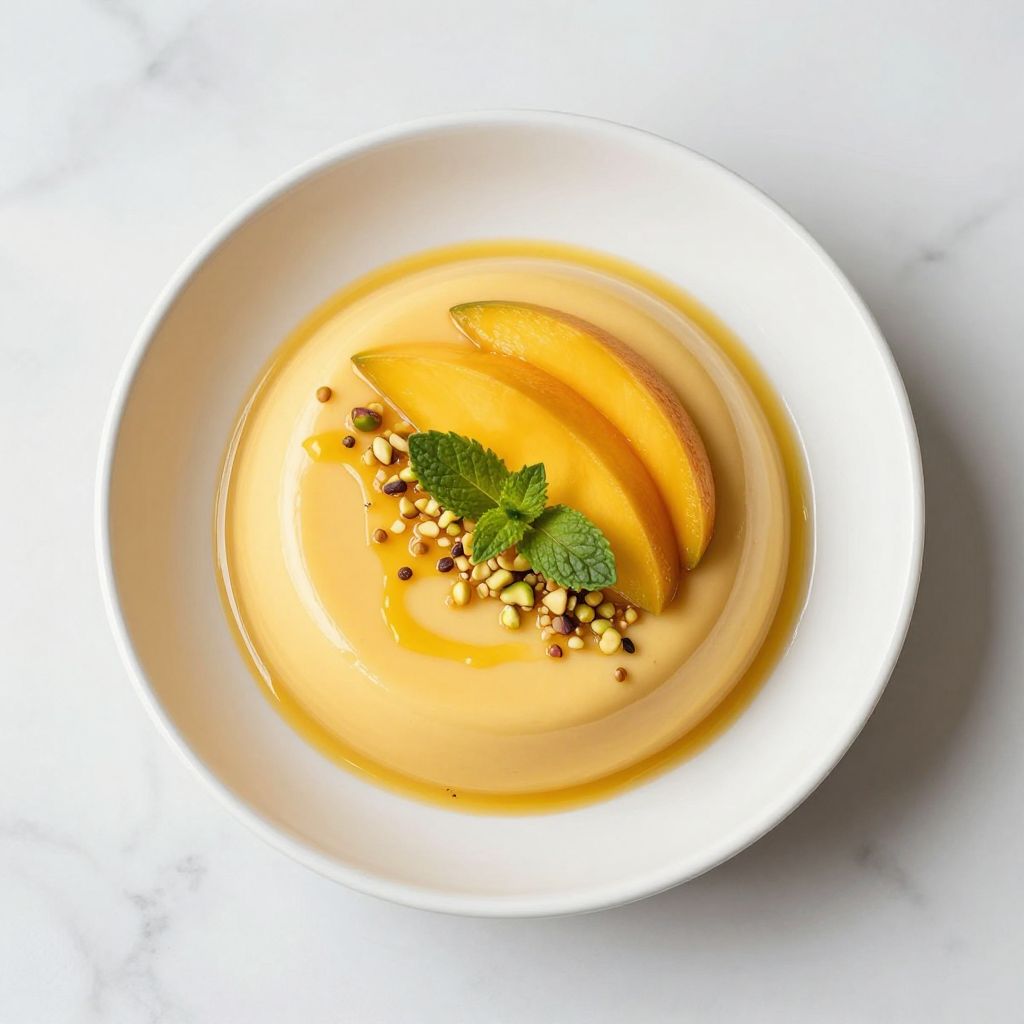
Serve your mousse chilled in elegant glasses with various toppings that add color and crunch to contrast the silky texture.
- Fresh mango chunks or thin slices arranged on top for extra fruit flavor
- Crushed pistachios or toasted coconut for nutty texture and visual appeal
- A drizzle of honey and fresh mint leaves for brightness
- Store-bought granola or homemade coconut flakes for crunch
- A dollop of yogurt and a few berries for a lighter finish
Variations to Try
- Passion fruit mousse uses the same method but swaps half the mango puree for passion fruit pulp, creating a tangier and more exotic flavor profile. The tartness pairs beautifully with white chocolate shavings.
- Coconut mango mousse incorporates half a cup of canned coconut cream into the whipped cream base, adding richness and tropical depth. This variation works wonderfully with toasted coconut flakes on top.
- Layered mousse creates visual drama by alternating mango mousse with a plain whipped cream layer in clear glasses. The contrast looks stunning and allows you to serve it to guests with different flavor preferences.
- Chilled mango mousse soup transforms the dessert into a lighter course by thinning it with coconut milk and serving in shallow bowls with lime crema and fresh berries.
Dietary Adaptations
- Gluten-free: This recipe is naturally gluten-free, but ensure any toppings or garnishes you add meet gluten-free standards. Store-bought granola and other commercial additions sometimes contain hidden gluten.
- Dairy-free: Replace heavy cream with chilled full-fat coconut cream whipped to stiff peaks, using the same method as regular cream. The coconut adds subtle flavor that complements the mango beautifully.
- Vegan: Swap heavy cream with aquafaba (the liquid from canned chickpeas) or a commercial vegan whipping cream, following your product’s whipping instructions. The texture will be slightly different but still delightfully creamy.
- Low-carb or keto: Use a sugar substitute like erythritol in place of granulated sugar, using three-quarters of the amount since most sugar substitutes are sweeter. The lime juice helps mask any aftertaste some people notice in keto desserts.
Storage and Reheating
Refrigerator
Store your mousse in an airtight container or covered individual glasses for up to 3 days. The mousse actually firms up slightly as it sits and can become even more delicious the next day as flavors meld.
- Keep it covered to prevent it from absorbing odors from other foods
- Avoid storing near onions, garlic, or strong-smelling items
Freezer
Mousse freezes well for up to one month, though the texture becomes slightly icy. Thaw in the refrigerator for 30 minutes before serving for the best consistency.
- Freeze in individual glasses for portion control and easier serving
- Cover tightly with plastic wrap to prevent freezer burn
Reheating
This mousse is best served cold and doesn’t require reheating. Simply remove from the refrigerator 10 minutes before serving if you prefer it slightly less cold than straight-from-the-fridge temperature.
- Never microwave or heat the mousse, as it will separate
- Allow frozen mousse to thaw naturally in the refrigerator
Nutrition Information
| Nutrient | Amount |
|---|---|
| Calories | 185 |
| Total Fat | 11g |
| Saturated Fat | 7g |
| Carbohydrates | 21g |
| Fiber | 1g |
| Sugar | 18g |
| Protein | 1g |
| Sodium | 65mg |
| Cholesterol | 41mg |
These values are approximate and based on standard ingredient measurements. Nutritional content varies slightly depending on the specific mangoes used and your chosen toppings.
Frequently Asked Questions
Can I make this mousse ahead of time?
Yes, you can prepare this mousse up to 3 days in advance and store it covered in the refrigerator. It actually tastes even better the next day as the flavors meld together.
What if my mangoes are frozen?
Frozen mangoes work beautifully for this recipe. Thaw them completely, drain any excess liquid, and blend as you would with fresh mangoes.
How do I know when the cream is whipped to the right consistency?
Stop beating when the cream forms stiff peaks that hold their shape when you lift the beaters. Over-whipped cream becomes grainy and separates.
Can I use canned mango puree instead of fresh?
Yes, canned mango puree works well as long as it contains no added sugar. Use two cups of puree straight from the can and follow the recipe as written.
What’s the best way to peel and pit a mango?
Slice the mango lengthwise on either side of the flat pit, then score the flesh in a crosshatch pattern without cutting through the skin. Push the skin inside-out to expose the cubes, then scoop them out with a spoon.
Final Thoughts
This mango mousse recipe proves that truly impressive desserts don’t require hours of work or mysterious techniques. The combination of quality ingredients folded with care creates something that tastes like you’ve been training in a professional kitchen.
Whether you’re serving this at a dinner party or sneaking a spoonful straight from the fridge, you’ve made something special. Give this recipe a try this week, and share it with someone who needs a little tropical magic in their life.
Explore More Tropical Desserts
If you loved this creamy, fruity dessert, you’ll find plenty of other tropical treats worth exploring on the site.
Check out the mango sago recipe for a different take on mango desserts with a unique texture, or try the Bavarian cream recipe for another elegant no-bake option that works beautifully with tropical fruits.
Mango Mousse
Ingredients
Equipment
Method
- Remove mango flesh from pits and blend until smooth, adding a splash of water if necessary.
- Strain the puree through a fine-mesh strainer, pressing with a spatula to remove fibers.
- Stir the lime juice and salt into the strained mango puree.
- Place the mixing bowl and beaters in the freezer for 5 minutes.
- Pour the cold heavy cream into the chilled bowl and whip on high speed until soft peaks form, about 2 to 3 minutes.
- Add the granulated sugar and continue whipping until stiff peaks form, about 1 to 2 minutes.
- Gently fold the mango mixture into the whipped cream using a rubber spatula until just combined.
- Divide the mousse among serving glasses or bowls and chill for at least 2 hours before serving, or serve immediately for a softer texture.