
Preparing chicken perfectly requires knowledge about cooking temperatures to ensure safety and optimal flavor. It’s important to know the various temperatures for different cooking methods, whether roasting, grilling, or sautéing, as well as the ideal internal temperature for serving.
This guide will explore what temperatures to use for chicken, safe cooking practices, and tips for achieving tender, juicy results. With proper care and attention to temperature, chicken can be a delicious centerpiece for any meal.
What Temperature Should Chicken Be Cooked To?
For chicken to be considered safe to eat, it must reach an internal temperature of 165°F (74°C). This temperature effectively kills harmful bacteria, ensuring that your chicken is safe while retaining moisture and flavor.
Understanding Cooking Methods and Their Temperatures
Different cooking methods may require various temperatures and techniques. Here’s a breakdown of the most common methods for cooking chicken and the optimal temperatures for each.
1. Roasting or Baking
Roasting or baking chicken is a common method used for whole birds or pieces. The oven temperature should generally be set between 375°F to 425°F (190°C to 220°C). This range allows even cooking while achieving a golden, crispy exterior.
Steps for Roasting Chicken:
- Preheat the oven to 375°F to 425°F (190°C to 220°C).
- Season the chicken with herbs, spices, and a touch of oil for flavor.
- Place in a roasting pan, allowing space for air to circulate.
- Roast until the internal temperature reaches 165°F (74°C).
- Rest the chicken for 10-15 minutes before carving.
2. Grilling
Grilling imparts a smoky flavor to the chicken and can be done at high temperatures. Direct heat at about 350°F to 450°F (175°C to 230°C) is ideal. Using a meat thermometer to check for doneness is essential.
Steps for Grilling Chicken:
- Preheat the grill to medium-high heat (about 350°F to 450°F, 175°C to 230°C).
- Season the chicken and let it sit at room temperature for a short while.
- Place the chicken on the grill and close the lid.
- Cook for about 6-8 minutes on one side, then flip and continue cooking until the internal temperature reaches 165°F (74°C).
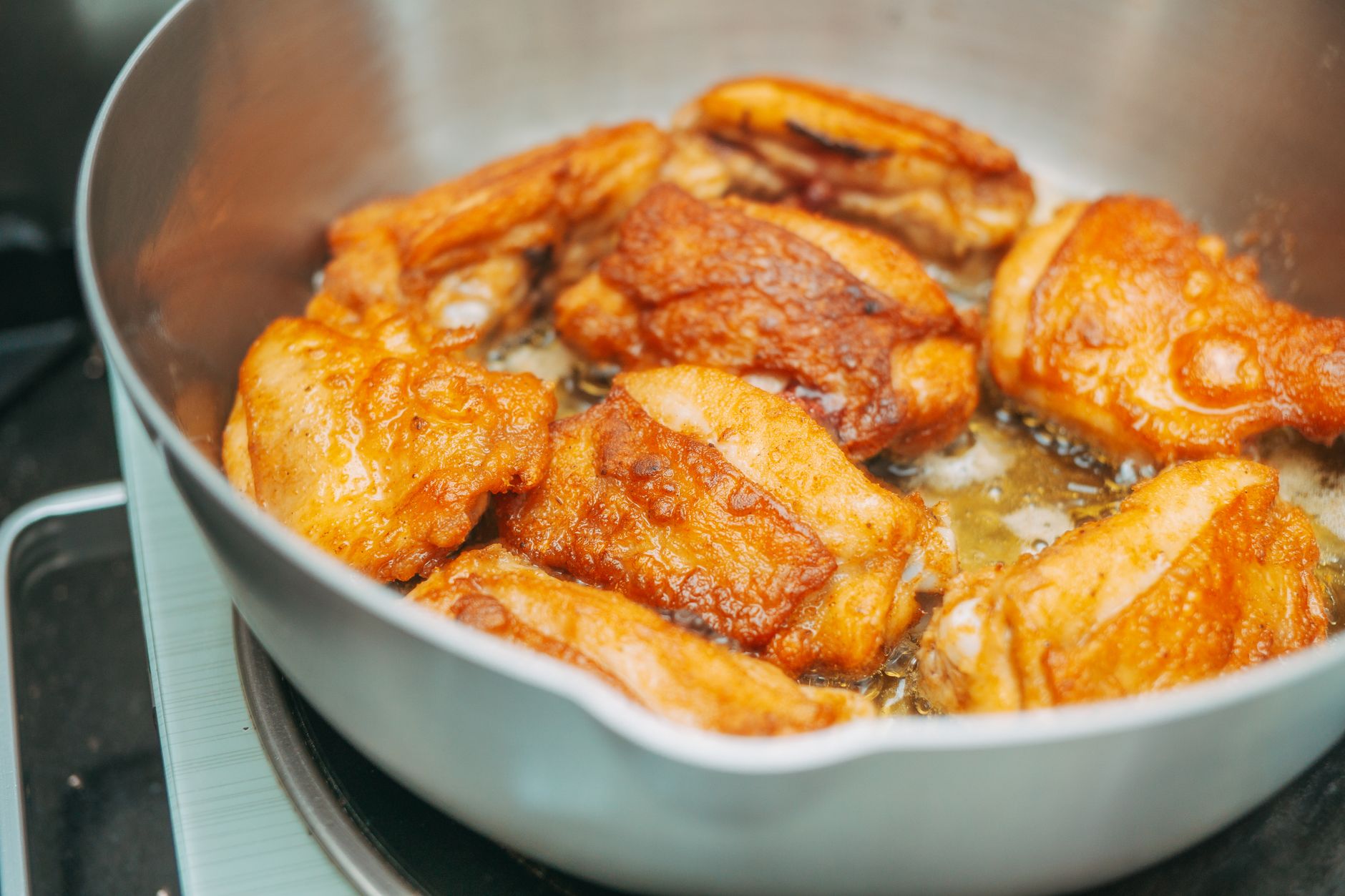
3. Sautéing or Pan-Frying
Sautéing or pan-frying is ideal for smaller pieces of chicken. The skillet should be heated to medium-high, around 375°F (190°C). This method cooks quickly, so constant attention is needed to prevent burning.
Steps for Sautéing Chicken:
- Heat a skillet over medium-high heat and add oil.
- Season the chicken and place it in the skillet.
- Cook for about 5-7 minutes per side, depending on thickness.
- Use a meat thermometer to ensure it reaches 165°F (74°C).
4. Sous Vide
The sous vide method offers precise temperature control, typically ranging from 140°F to 165°F (60°C to 74°C) depending on the desired texture. It involves vacuum-sealing the chicken and cooking it in water.
Steps for Sous Vide Chicken:
- Set the precision cooker to your desired temperature (140°F for tender, 165°F for traditional texture).
- Season the chicken and vacuum-seal it to remove air.
- Cook in the water bath for 1 to 4 hours depending on thickness.
- Sear in a hot pan for about 1-2 minutes after removing from the water for added flavor.
5. Slow Cooking
Cooking chicken in a slow cooker is convenient and yields tender results. The slow cooker temperature should be set to low for 6-8 hours or high for 3-4 hours. The chicken will naturally reach the necessary temperature if cooked long enough.
Steps for Slow Cooking Chicken:
- Place seasoned chicken in the slow cooker.
- Add liquid (broth, sauce, or water) for moisture.
- Cover and set the temperature to low or high as needed.
- Check that the chicken reaches an internal temperature of 165°F (74°C) before serving.
Why Cooking Temperature Matters
Cooking chicken to the correct temperature is vital for food safety. Raw chicken can harbor bacteria such as Salmonella and Campylobacter. Achieving the appropriate temperature ensures these pathogens are destroyed, preventing foodborne illnesses.
Monitoring Internal Temperature
A reliable meat thermometer is essential for accurately measuring the internal temperature of chicken. There are two common types of thermometers:
- Instant-Read Thermometers: Provide a quick reading. Insert the thermometer into the thickest part of the chicken, avoiding bones.
- Probe Thermometers: Can be left in the chicken while it cooks, allowing constant monitoring of temperature.
Check the temperature in several places, especially in the thickest area to ensure even cooking.
Common Mistakes to Avoid
When cooking chicken, several common errors can lead to suboptimal results:
- Underestimating Cooking Time: Always rely on temperature rather than time, as thickness affects cooking duration.
- Piercing the Chicken: Avoid piercing the chicken with a fork as it causes juices to escape, resulting in dry meat.
- Overcooking: Cooking beyond 165°F (74°C) can lead to dry, unpleasant chicken. Monitor temperatures closely.
Serving Chicken Safely
Once cooked, let the chicken rest for 10-15 minutes before slicing. Resting allows juices to redistribute, ensuring a moist end product. Always use separate cutting boards for raw and cooked chicken to prevent cross-contamination.
Common Ingredient Substitutions for Chicken Dishes
When cooking chicken, you may want to experiment with flavorings or alterations. Here are some common substitutions:
- Herbs and Spices: Rosemary can replace thyme; garlic powder can substitute for fresh garlic in a pinch.
- Cooking Oils: Olive oil can take the place of vegetable oil, adding enhanced flavor.
- Broths: Chicken broth can replace vegetable broth, and vice versa, depending on dietary preferences.
- Chicken Cuts: Boneless thighs can substitute for breasts, although cooking times may vary slightly.
Flavor Enhancements and Serving Suggestions
Express your creativity by enhancing flavors with marinades, rubs, or glazes before cooking. Teriyaki, lemon-herb, spicy paprika, or honey mustard are popular options. For serving:
- Serve grilled chicken alongside a fresh salad.
- Pair roasted chicken with seasonal vegetables and grains.
- Use shredded chicken in tacos, wraps, or stir-fries.
Preparing Chicken Ahead of Time
Meal prep can streamline your cooking, making it easier to have delicious chicken dishes ready. Here are a few strategies:
- Marinate in Advance: Marinate chicken the night before to ensure deep flavor.
- Cook in Bulk: Prepare larger quantities for multiple meals throughout the week.
- Freeze Leftovers: Properly cool and freeze cooked chicken for later use, ensuring it stays moist upon reheating.
Storage Tips for Cooked Chicken
To keep cooked chicken safe and delicious:
- Store leftovers in an airtight container in the refrigerator for up to 3-4 days.
- Freeze for longer storage, ideally within 2 hours of cooking, and use within 4 months for best taste.
- Reheat to at least 165°F (74°C) to ensure safety when consuming leftovers.
When storing chicken, make sure to label containers with dates. This ensures you track how long the chicken has been stored.
Conclusion
Getting the temperature right when cooking chicken is crucial for both safety and flavor. Whether you opt for roasting, grilling, or slow cooking, understanding the required temperatures allows you to serve delicious, perfectly cooked chicken every time. Start experimenting with different temperatures and methods to elevate your chicken dishes and enjoy flavorful, safe meals.
For more information on cooked chicken storage, check out how long does cooked chicken last, or learn how long to bake chicken legs at 400°F for perfect results.