
The sizzle of seasoned chicken hitting a hot skillet, the aroma of cumin and chili powder filling your kitchen, the moment your family gathers around the table for fajita night—that’s what homemade chicken fajita seasoning delivers every single time.
Store-bought packets are convenient, but they often come loaded with preservatives and salt you don’t need. Making your own seasoning blend takes five minutes and costs just pennies, yet tastes infinitely better.
This recipe gives you a warm, smoky, perfectly balanced seasoning that works on chicken, beef, shrimp, or vegetables. Once you mix this up, you’ll never buy those little packets again.
Why You’ll Love This Recipe
Homemade fajita seasoning beats the bottled version in every way that matters to home cooks.
- Control exactly what goes into your food with no mysterious additives or excess sodium
- Make a big batch and store it for weeks, ready whenever fajita cravings strike
- Cost effective, versatile, and takes less time than running to the store
- Works beautifully on chicken, beef, pork, shrimp, and roasted vegetables
- Tastes restaurant-quality with that perfect balance of heat, smoke, and spice
My Experience Making This Recipe
I started making my own seasoning blends after my daughter asked what “sodium tripolyphosphate” was in a store packet. That question changed how I cook.
The first time I mixed this blend and seasoned chicken for fajitas, my kitchen smelled like an upscale restaurant. My family actually paused mid-conversation to ask what I’d done differently.
Now I make a double batch every month and store it in a small glass jar on the counter. It’s become my secret weapon for weeknight dinners that taste like I spent hours in the kitchen.
Recipe Overview
- Recipe Name: Homemade Chicken Fajita Seasoning
- Servings: Makes about 1/4 cup of seasoning (enough for 8 to 10 servings of fajitas)
- Prep Time: 5 minutes
- Cook Time: 0 minutes
- Total Time: 5 minutes
- Course: Seasoning Blend
- Cuisine: Mexican-inspired
- Calories per Serving: 0 calories per teaspoon of seasoning (used as a condiment)
Equipment You Will Need
- Small mixing bowl
- Measuring spoons
- Whisk or small spoon for stirring
- Airtight glass jar or container for storage
- Spoon for scooping when ready to use
Ingredients for Chicken Fajita Seasoning
- 2 tablespoons chili powder (adds deep color and mild heat)
- 1 tablespoon ground cumin (provides the signature earthy, warm flavor)
- 1 tablespoon paprika (contributes mild sweetness and smoke)
- 1.5 teaspoons garlic powder (adds pungent savory depth)
- 1.5 teaspoons onion powder (rounds out the savory profile)
- 1 teaspoon ground black pepper (brings brightness and bite)
- 1 teaspoon kosher salt (enhances all other flavors)
- 0.5 teaspoon cayenne pepper (adds optional heat; reduce or omit if heat-sensitive)
- 0.5 teaspoon dried oregano (adds herbaceous notes)
Ingredient Notes and Substitutions
- Chili powder: The backbone of the blend, it provides color and mild fruity heat. If unavailable, substitute with extra paprika and a pinch more cayenne, though the flavor will shift slightly toward smokiness.
- Ground cumin: This spice gives fajita seasoning its signature warm earthiness. You can use whole cumin seeds ground fresh in a spice grinder for more punch, but the result will be more intense.
- Paprika: Adds gentle smoke and sweetness without overwhelming heat. Smoked paprika works beautifully here and deepens the overall flavor profile slightly.
- Garlic powder and onion powder: These provide savory depth that fresh garlic and onions alone cannot match. Fresh minced versions won’t work in a dry blend, so stick with the powdered forms.
- Cayenne pepper: This controls the heat level. Cut it to 0.25 teaspoon for mild, or increase to 1 teaspoon if you like serious kick.
- Kosher salt: Regular table salt is denser and saltier by volume, so use only about 0.75 teaspoon if substituting.
How to Make Chicken Fajita Seasoning
Step 1: Gather All Your Spices
Pull out all your spice jars and measure each ingredient carefully before mixing. Measuring first prevents mistakes and ensures you don’t accidentally double any ingredient.
Step 2: Pour Chili Powder Into the Bowl
Start with the chili powder as your base. This ingredient makes up the largest portion and anchors the entire blend.
Step 3: Add Ground Cumin
Measure out the ground cumin and add it to the bowl with the chili powder. Cumin is the second most important spice here, so make sure your measurement is level and accurate.
Step 4: Mix in Paprika
Add the paprika to the bowl and stir gently to combine the three base spices. These three form the flavorful foundation of your seasoning blend.
Step 5: Incorporate the Garlic and Onion Powder
Measure out the garlic powder and onion powder, then add both to the bowl. These powders add savory depth that makes the seasoning taste restaurant-quality.
Step 6: Add Black Pepper and Salt
Pour in the black pepper and kosher salt, stirring as you go. These ingredients enhance and balance all the other flavors in the blend.
Step 7: Add Cayenne and Oregano
Measure out the cayenne pepper and dried oregano carefully and add them to the mixture. The cayenne brings heat while the oregano adds herbaceous notes that tie everything together.
Step 8: Whisk Everything Together Thoroughly
Use a whisk or spoon to blend all the spices together until the mixture is uniform in color and texture. Proper mixing ensures that each teaspoon of seasoning contains all the spices in the right proportion.
Step 9: Transfer to an Airtight Container
Spoon your finished seasoning blend into a clean, dry glass jar with a tight-fitting lid. Store in a cool, dark place away from heat and direct sunlight to preserve the spices’ potency.
Pro Tip: Make a double or triple batch and store in glass jars in your spice cabinet. You’ll always have restaurant-quality fajita seasoning ready for quick weeknight dinners, and homemade blends stay fresh for 3 to 4 months in airtight containers.
Tips for the Best Chicken Fajita Seasoning
- Buy your spices from a source with good turnover like a bulk bin or specialty spice shop, not from the back of your cabinet where they may have sat for years. Fresh spices make a noticeable difference in flavor intensity.
- Toast your whole spices lightly in a dry skillet before grinding them for an extra boost of flavor. This step is optional but elevates the seasoning noticeably if you have whole cumin or coriander seeds on hand.
- Label your container with the mix date so you know when it was made. This helps you use it within the optimal freshness window of 3 to 4 months.
- Taste a tiny pinch before using it on chicken to check the heat level. Adjust the cayenne up or down next time if you find it too mild or too spicy for your family.
- Use about 2 to 3 teaspoons of seasoning per pound of chicken or beef for proper flavor. Less creates subtle seasoning, more creates bold restaurant-style heat.
- Mix the seasoning with a little olive oil before adding to meat for better distribution and coating. This paste-like mixture sticks to proteins much better than dry spice alone.
Common Mistakes to Avoid
- Using old, stale spices from the very back of the cabinet will result in bland, weak seasoning that tastes nothing like fresh homemade blend. Old spices lose potency and flavor compounds over time.
- Over-measuring the salt thinking you need more flavor will result in an overly salty blend that drowns out the other spices. Use the exact amount called for and adjust only if needed after tasting.
- Forgetting to store the seasoning in an airtight container will cause the spices to lose potency quickly from exposure to air, moisture, and light. Proper storage keeps your blend flavorful for months.
- Adding too much cayenne without tasting first will create a blend that’s painfully hot for people who prefer mild food. Start with the suggested amount and increase next time if your family wants more heat.
- Skipping the step of mixing the seasoning thoroughly means some spoonfuls will have mostly salt while others have mostly chili powder. Take the extra minute to whisk properly for even distribution.
Serving Suggestions
This seasoning blend shines far beyond basic chicken fajitas. Use it to transform simple proteins and vegetables into restaurant-quality dishes.
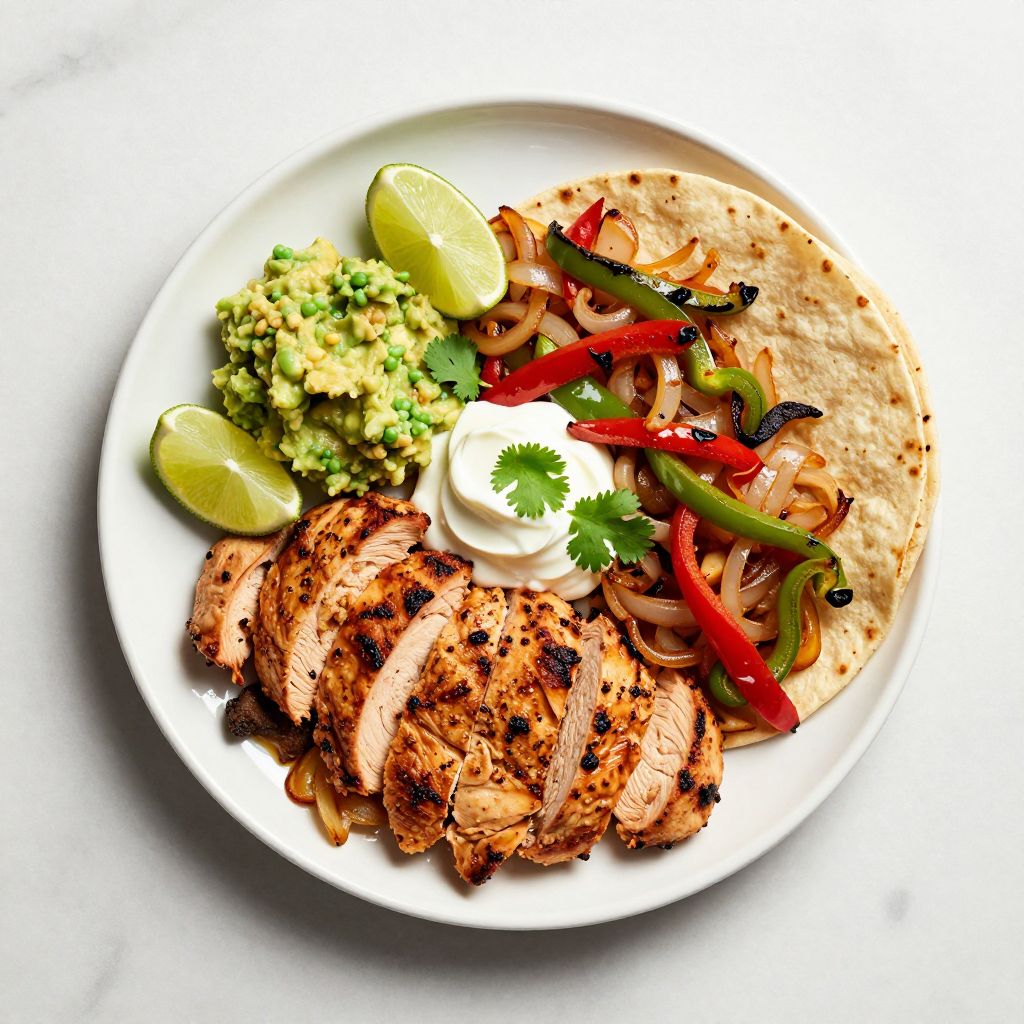
- Toss with sliced chicken breasts and pan-sear until golden, then serve on warm tortillas with grilled peppers, onions, sour cream, and guacamole
- Rub onto shrimp before grilling or pan-searing for fajita shrimp tacos with crispy peppers and fresh lime
- Season ground beef for quick fajita burrito bowls with rice, beans, cheese, and fresh toppings
- Mix with sliced pork tenderloin and roast with bell peppers and onions for a complete one-pan dinner
- Coat cauliflower florets and roast until crispy for vegetarian fajita-seasoned vegetables that satisfy everyone at the table
Variations to Try
- Smoky Fajita Blend: Replace regular paprika with 1.5 teaspoons of smoked paprika for a deeper, more complex flavor that tastes like food cooked over a real wood fire.
- Extra Heat Version: Increase cayenne to 1 full teaspoon and add 0.5 teaspoon of chipotle powder for bold, smoky heat that spice lovers will crave.
- Cumin-Forward Blend: Increase ground cumin to 1.5 teaspoons and reduce paprika to 0.5 teaspoon if you love that warm, earthy cumin flavor above all else.
- Citrus-Lime Variation: Add 0.5 teaspoon of dried lime powder or 0.25 teaspoon of lime zest (dried) for brightness that pairs beautifully with grilled chicken and fresh cilantro.
- Mild Family Blend: Cut cayenne to 0.25 teaspoon and reduce chili powder to 1.5 teaspoons for a gentler, less spicy version perfect for young children and heat-sensitive palates.
Dietary Adaptations
- Gluten-Free: This seasoning blend is naturally gluten-free, assuming all spices are pure and unblended. Always check individual spice jar labels to confirm no additives or fillers were added during processing.
- Dairy-Free: The seasoning itself contains no dairy, so use it freely on any protein or vegetable and serve with dairy-free sour cream and cashew crema if desired.
- Vegan and Vegetarian: This blend works perfectly on plant-based proteins, tofu, tempeh, and roasted vegetables. The spices add the same savory depth regardless of protein source.
- Low-Carb and Keto: Fajita seasoning is carb-free and keto-friendly, making it ideal for seasoning protein and low-carb vegetables on any restricted diet plan.
- Low-Sodium: Reduce kosher salt to 0.5 teaspoon and rely on the other spices to carry the flavor. You’ll lose some of the salt’s flavor-enhancing power, but the blend remains delicious and healthier.
Storage and Reheating
Refrigerator
Store your finished seasoning blend in an airtight glass jar at room temperature in a cool, dark cupboard or pantry. Proper dry storage keeps the spices fresh and potent for 3 to 4 months.
- Keep the container away from heat sources like the stove or direct sunlight
- Make sure the lid seals completely to prevent moisture and air from degrading the spices
- Label with the date mixed so you know when to replace it with a fresh batch
Freezer
Freezing seasoning blends is unnecessary and not recommended. The cold can introduce condensation that damages the spices.
- Keep this blend at room temperature only for best results
- Moisture from freezing and thawing ruins the texture and potency of dried spices
Reheating
Since this is a dry spice blend, there’s nothing to reheat. Simply use it fresh from the jar whenever you’re ready to season chicken, beef, shrimp, or vegetables.
- Measure out what you need and mix with a little olive oil to create a paste for better coating
- Apply the seasoning to room-temperature or chilled meat for even distribution before cooking
Nutrition Information
| Nutrient | Amount |
|---|---|
| Calories | 0 per teaspoon |
| Total Fat | 0g |
| Saturated Fat | 0g |
| Carbohydrates | 0g |
| Fiber | 0g |
| Sugar | 0g |
| Protein | 0g |
| Sodium | 220mg per teaspoon |
| Cholesterol | 0mg |
These values are approximate and based on the spices listed, which contain minimal calories or macronutrients. The seasoning is used in small amounts per serving of cooked chicken or vegetables, so the nutritional impact on any single meal is negligible.
Frequently Asked Questions
Can I use this seasoning on other proteins besides chicken?
Absolutely, this blend works beautifully on beef, pork, shrimp, and even salmon. The warm spice profile complements any protein that benefits from cumin, chili, and garlic flavors.
How much seasoning should I use per pound of meat?
Use 2 to 3 teaspoons of seasoning per pound of meat for full flavor. For milder seasoning, start with 1.5 teaspoons and adjust to your family’s taste preference on the next batch.
Can I make this ahead and store it for later?
Yes, this is actually the whole point of making it. Mix up a double or triple batch and store it in an airtight glass jar for 3 to 4 months, grabbing a spoonful whenever you need it.
What should I do if the seasoning tastes too salty?
If your finished blend tastes overly salty, make a fresh batch with 0.5 teaspoon of salt instead of 1 teaspoon. Unfortunately, once salt is mixed in, you cannot remove it.
Can I grind whole spices instead of using pre-ground spices?
Yes, grinding fresh whole spices creates a more potent blend, though it requires a spice grinder and extra work. Toast the spices lightly first to bring out their essential oils, then grind and proceed as written.
Is this seasoning spicy, or will it work for kids?
The blend as written is mildly spicy but not painful to most people. For young children, reduce the cayenne to just 0.25 teaspoon or omit it entirely, and let them enjoy the warm, savory flavors without heat.
Final Thoughts
Making your own fajita seasoning takes five minutes and costs less than a dollar, yet transforms ordinary chicken and vegetables into restaurant-quality meals your family will request every week. Once you taste the difference between fresh homemade and stale store packets, there’s no going back.
Mix up a batch this weekend and keep it in your pantry for the next month of quick, delicious dinners. Your taste buds and your wallet will thank you.
Explore More Seasoning Recipes
Now that you have mastered chicken fajita seasoning, expand your seasoning collection with other homemade blends that transform simple proteins into bold, restaurant-quality meals. Check out these complementary seasoning recipes to keep your kitchen stocked with flavor.
Try our chicken taco seasoning recipe for taco night, or explore our poultry seasoning recipe for classic roasted chicken and Thanksgiving dishes.
Homemade Chicken Fajita Seasoning
Ingredients
Equipment
Method
- Gather all your spices and measuring tools to ensure accurate measurements.
- Pour 2 tablespoons chili powder into the mixing bowl.
- Add 1 tablespoon ground cumin to the chili powder.
- Stir in 1 tablespoon paprika and mix gently to combine.
- Measure and add 1.5 teaspoons garlic powder and 1.5 teaspoons onion powder.
- Add 1 teaspoon ground black pepper and 1 teaspoon kosher salt, stirring as you go.
- Mix in 0.5 teaspoon cayenne pepper and 0.5 teaspoon dried oregano.
- Whisk all the spices together thoroughly until the mixture is uniform in color and texture.
- Transfer the seasoning blend into an airtight glass jar and store in a cool, dark place away from heat and sunlight.