
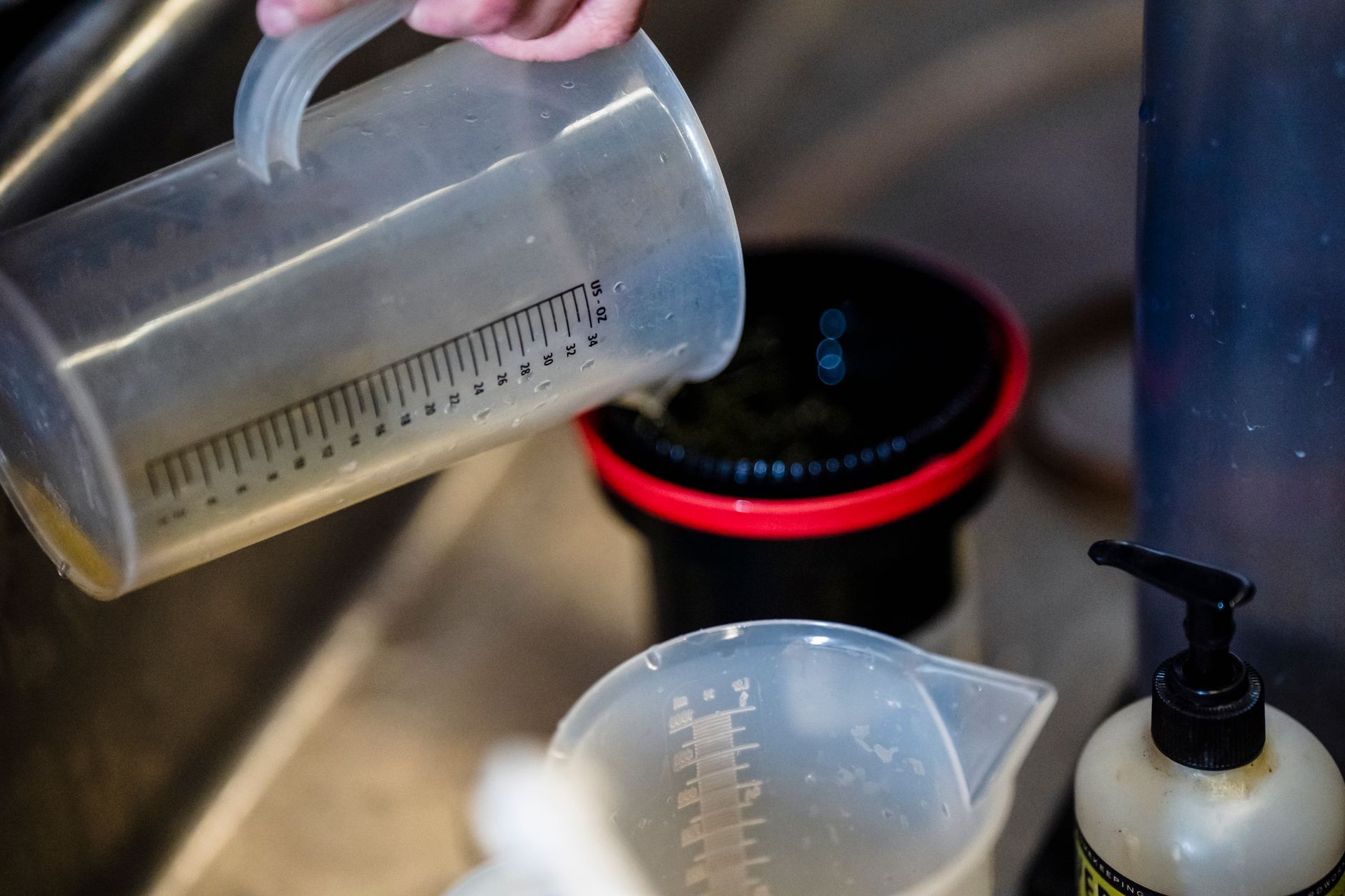
Understanding measurements in cooking is crucial for success in the kitchen. One common question arises when trying to convert liquid measurements: How many cups are in a gallon? This conversion is important for everything from following recipes to scaling batch cooking, particularly for beverages and sauces.
In this article, we will explain the conversion from gallons to cups, provide helpful measuring tips, and discuss why it’s vital for both home cooks and professional chefs alike to master these conversions.
How Many Cups on a Gallon?
There are 16 cups in one gallon. This direct conversion allows you to easily scale recipes that call for larger liquid quantities. Whether you are measuring for a big pot of soup, a large batch of homemade lemonade, or simply making pancakes for breakfast, knowing this measurement can simplify your cooking process.
The Importance of Accurate Measurements
Precision in measurements can drastically affect the outcome of your dishes. For instance, baking is particularly sensitive to variances in ingredient amounts. Miscalculating liquid ingredients can lead to undesirable textures and flavors in your baked goods. Additionally, following liquid measurements accurately ensures that your recipes yield the intended servings.
Understanding Liquid Measurements
Liquid measurements can be tricky, especially when transitioning between different units. Here’s a handy guide to the most common conversions related to liquids:
- 1 gallon = 4 quarts
- 1 quart = 2 pints
- 1 pint = 2 cups
To visualize it, a gallon can be broken down as follows:
- 1 gallon = 4 quarts = 8 pints = 16 cups
This hierarchy also helps in adjusting recipes that offer ingredients in varying measurements. For instance, if you know a recipe calls for 1 gallon of broth but you only need a smaller quantity, you can easily scale it down knowing that:
- 1 cup of broth = 1/16 of a gallon
- 2 cups = 1/8 of a gallon, and so on.
Measuring Cups: Tools for the Trade
Having the right tools for measuring liquids can make all the difference in your cooking experience. Here are some tried-and-true measuring cups often found in many kitchens:
- Liquid Measuring Cup: Typically made of glass or clear plastic with a spout for easy pouring. They often come with measuring markings for accuracy.
- Dry Measuring Cups: These are usually nested together and are best for measuring solids but can be used for thicker liquids like yogurt or purées.
- Measuring Spoons: Useful for smaller measurements, these often come in sets of different sizes ranging from 1 tablespoon down to 1/4 teaspoon.
Tips for Accurate Liquid Measurement
To ensure that you measure liquids accurately, consider the following tips:
- Eye Level Measurement: Always measure liquids at eye level to ensure the measuring cup sits flat and the meniscus (the curved surface of the liquid) is accurately depicted against the measurement markings.
- Use the Right Cup: For liquids, always opt for a liquid measuring cup. The spouts on these cups make pouring easier and less messy.
- Don’t Overfill: Be cautious not to go above the measurement line. Excess liquid can spill and lead to inaccuracies.
- Pour Slowly: When pouring tricky liquids like oils or syrups, do so slowly to get a better read on the measurement.
Common Mistakes When Measuring Liquids
Even seasoned cooks can make mistakes. Here are some common errors to avoid:
- Using a dry measuring cup for liquid measurements—dry cups can lead to over- or under-measuring.
- Not reading the measurement from eye level, which can lead to inaccurate totals.
- Ignoring temperature effects—for instance, measuring hot liquids can result in steam and changes in volume.
Practical Applications of Gallon to Cup Conversions
Understanding the conversion of gallons to cups is practical in various kitchen situations. Here are some examples:
Beverages
When preparing drinks for gatherings, you might need to make large quantities. For instance, if you are making a fruit punch that requires a gallon of juice, knowing you need 16 cups makes it easier to measure as you pour.
Cooking in Bulk
When preparing meals in larger quantities for meal prepping or family gatherings, you often deal with larger container sizes. For example, if a stew recipe calls for 1 gallon of broth, you can confidently divide it by 16 to incorporate smaller portions if needed.
Recipe Adjustments
In case you are halving or doubling a recipe, it’s vital to understand how many cups are applied. This helps stabilize flavors and maintain the dish’s integrity whether you’re scaling up for more servings for friends or down for a cozy dinner for two.
Alternative Measurement Systems
While most kitchen recipes rely on the US measurement system, it’s beneficial to understand metric conversions as well, especially when dealing with international recipes. Below are some key metric conversions related to liquid measurements:
- 1 gallon = approximately 3.785 liters
- 1 cup = approximately 237 milliliters
This knowledge allows you to switch between measurement systems seamlessly, opening up a broader world of recipes and cooking methods.
Ingredient Substitution and Liquid Measurement
Sometimes, you’ll want to replace a liquid ingredient with another. Here are a few common substitutions that retain the integrity of the final dish:
- Broth for Stock: If a recipe calls for broth but you have stock on hand, the conversion is typically 1 cup of broth = 1 cup of stock. Just be aware that stock may be richer in flavor.
- Water for Milk: When making baked goods, using water instead of milk can result in a drier texture. If substituting, start with 3/4 cup of water for every 1 cup of milk in a batter.
- Fruit Juice for Water: If you’re in a pinch and need a flavorful liquid for cooking grains like rice, replace 1 cup of water with 1 cup of fruit juice for a sweeter flavor profile.
Popular Recipes Utilizing Gallons and Cups
Many recipes lend themselves to gallon-to-cup conversions, especially in home cooking. Here are a few classic ideas:
Homemade Lemonade
A large pitcher of homemade lemonade can be easily scaled. For a gallon pitcher:
- 4 cups fresh lemon juice
- 1 gallon of water
- 1 to 1.5 cups of sugar (to taste)
Chili
For a large batch of chili, you might rely on:
- 2 quarts of tomato sauce (equivalent to 8 cups)
- 1 gallon of water for simmering
Soup Base
When making a hearty vegetable or chicken soup, start with a gallon of broth (16 cups) and add vegetables, proteins, and grains as needed.
Meal Planning and Using Gallons and Cups Effectively
Meal planning is an effective way to save time and ensure a balanced diet. Understanding measurements will help you better organize your recipes:
- Plan Your Meals: Choose 3-4 main recipes that traditionally call for gallon measurements of liquids like soups, stews, and pasta sauces to streamline shopping.
- Overlap Ingredients: Use similar ingredients across multiple dishes—for example, if you’re buying a gallon of broth for soup, think about pasta dishes later in the week where you can use the remainder.
- Portion Control: If a recipe yields a gallon, consider dividing into smaller containers for freezing leftovers to personally control portion sizes.
Storing Leftovers
When working with large quantities, knowing how to store leftovers is important. Here are some tips:
- Store in airtight containers to maintain freshness. Label the container with the date it was prepared.
- Subdivide large batches into smaller containers to cool quickly. This prevents bacterial growth.
- Freezable liquids can be stored in clearly marked freezer-safe bags for up to three months.
Reheating Guidelines for Leftovers
Reheating large quantities requires attention to avoid foodborne illness:
- Use a thermometer to check that the internal temperature reaches at least 165°F (74°C).
- Reheat on the stove or in a microwave safely; avoid reheating multiple times.
- For soups and stews, stir constantly while reheating to ensure even heating.
Conclusion
Measuring liquids accurately is a fundamental skill that can enhance your cooking experiences significantly. Knowing that there are 16 cups in a gallon simplifies numerous cooking tasks and helps in preparing large quantities of meals or beverages. With these tips and conversions at hand, you can confidently tackle various kitchen projects, whether developing your recipes or following others.
If you’re looking to explore more related culinary topics, learn about measuring water for rice or discover the optimal cooking time for chicken legs. These resources can deepen your understanding and improve your cooking methods:
How Many Cups of Water for 1 Cup of Rice, How Long to Bake Chicken Legs at 400.