
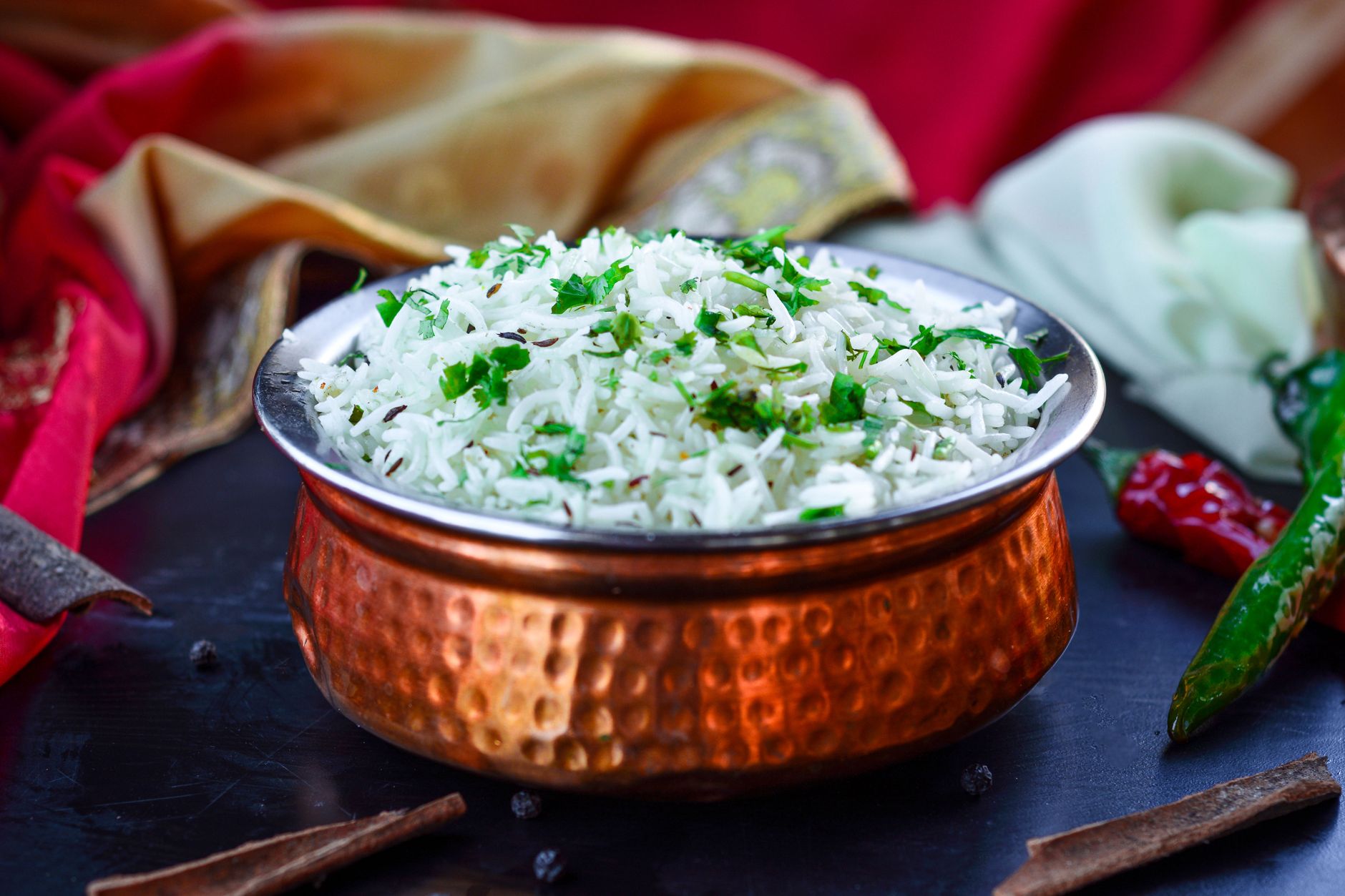
Basmati rice is a fragrant, long-grained rice variety popular in Indian and Middle Eastern cuisines. Many people enjoy its distinct nutty flavor and fluffy texture, but questions often arise regarding its nutritional content, especially fiber. Understanding the fiber content of basmati rice can help inform dietary choices and meal planning.
In this article, we will explore whether basmati rice contains fiber, how much fiber one can expect in typical serving sizes, and the significant role that fiber plays in overall health. We will also discuss how basmati rice compares to other types of rice regarding fiber content.
Does Basmati Rice Have Fiber?
Yes, basmati rice does contain fiber, albeit in moderate amounts compared to other whole grains. Depending on the type—white or brown basmati—the fiber content varies, with brown basmati rice generally having a higher fiber concentration. A standard serving of cooked white basmati rice contains about 0.6 grams of fiber, while brown basmati rice offers approximately 1.7 grams per serving.
Understanding Fiber and Its Benefits
Fiber is an essential component of a healthy diet, classified into two categories: soluble and insoluble. Soluble fiber dissolves in water and helps lower cholesterol levels and stabilize blood glucose, while insoluble fiber aids in digestion and helps prevent constipation.
Consuming adequate fiber has several health benefits, including:
- Improved digestive health
- Weight management by promoting a feeling of fullness
- Reduced risk of heart disease
- Lower cholesterol levels
- Blood sugar regulation
Fiber Content in Basmati Rice: Serving Sizes
To better understand the fiber content in basmati rice, it’s helpful to look at different serving sizes and types. Here’s a breakdown of the fiber content based on the most common serving size for basmati rice, which is typically about 1 cup cooked:
| Type of Basmati Rice | Fiber Content (per 1 cup, cooked) |
|---|---|
| White Basmati Rice | 0.6 grams |
| Brown Basmati Rice | 1.7 grams |
Comparing Basmati Rice with Other Rice Varieties
When analyzing the fiber content, it’s insightful to compare basmati rice with other common variants. Here’s how it stacks up:
| Type of Rice | Fiber Content (per 1 cup, cooked) |
|---|---|
| White Basmati Rice | 0.6 grams |
| Brown Basmati Rice | 1.7 grams |
| White Jasmine Rice | 0.4 grams |
| Brown Jasmine Rice | 2.2 grams |
| White Long-Grain Rice | 0.6 grams |
| Brown Long-Grain Rice | 3.5 grams |
As reflected in the tables, brown rice variants, including brown basmati and brown jasmine, generally provide significantly higher fiber levels than their white counterparts. This attribute makes brown basmati rice a more favorable choice for individuals aiming to increase their fiber intake.
How to Incorporate Basmati Rice into Your Diet
Basmati rice is a versatile ingredient that can complement a variety of dishes. Here are several ideas to include basmati rice in your meals while still prioritizing fiber:
- As a Side Dish: Serve basmati rice alongside grilled vegetables or lean proteins like chicken or fish.
- In Salads: Include chilled basmati rice in salads for enhanced texture and nutrition.
- In Stir-Fries: Use basmati rice as a base for stir-fried vegetables and tofu or meat.
- In Curries: Serve curries over basmati rice to soak up the sauce and enjoy the flavors.
For added fiber, consider mixing cooked basmati rice with beans or roasted vegetables. This combination not only boosts fiber levels but enhances the overall nutritional profile of your meal.
Cooking Tips for Basmati Rice
Cooking basmati rice correctly can greatly affect the texture and overall taste of the dish. Here are some essential tips:
- Rinse Before Cooking: Rinse the rice under cold water before cooking to remove excess starch. This step helps achieve a fluffy texture.
- Soak the Rice: Soaking basmati rice for 30 minutes before cooking allows the grains to absorb water, resulting in better-cooked rice.
- Use the Right Water Ratio: The ideal water-to-rice ratio for cooking basmati rice is typically 1.5:1, meaning one cup of rice requires one and a half cups of water.
- Simmer Gently: Once the rice is added to boiling water, reduce to low heat, cover with a lid, and let it simmer, allowing the grains to cook evenly.
- Let it Rest: After cooking, turn off the heat and let the rice rest for 5-10 minutes to allow the steam to finish cooking, making it fluffier.
Fiber-Rich Alternatives to Basmati Rice
If you’re looking to increase your fiber intake further, consider some of these high-fiber grain alternatives:
| Alternative Grain | Fiber Content (per 1 cup, cooked) |
|---|---|
| Quinoa | 5.2 grams |
| Barley | 6.0 grams |
| Bulgur | 8.2 grams |
| Farro | 5.0 grams |
These grains can often be used as substitutes for basmati rice in various recipes, providing excellent flavor and texture while significantly increasing dietary fiber.
Common Mistakes and Troubleshooting
When cooking basmati rice, several common mistakes can lead to unsatisfactory results:
- Overcooking: Avoid cooking your rice for too long, as it can become mushy. Follow cooking times strictly.
- Not Rinsing Thoroughly: Insufficient rinsing can cause the rice to become sticky. Always rinse until the water runs clear.
- Incorrect Water Ratio: Using too little or too much water can compromise texture. Stick to the recommended ratios for best results.
If you find your rice is still mushy or undercooked, it can be helpful to let it sit covered off the heat to absorb excess moisture or dissipate excess steam.
Storing Basmati Rice
The proper storage of basmati rice can prolong its shelf life, ensuring it remains fresh and flavorful:
- Uncooked Basmati Rice: Store in a cool, dry place, preferably in an airtight container to prevent moisture absorption.
- Cooked Basmati Rice: Place in an airtight container in the refrigerator, where it will last for approximately 4-6 days.
- Freezing Cooked Basmati Rice: For longer preservation, cooked basmati rice can be frozen in an airtight container for up to 6 months. Reheat thoroughly before consuming.
Conclusion
Basmati rice does contain fiber, with brown basmati providing a higher amount than white. Incorporating this aromatic rice into meals not only enhances flavor but also contributes beneficial nutrients. Understanding its fiber content allows individuals to make informed dietary choices that align with their health goals.
To further explore the world of basmati rice and its nutritional benefits, consider checking out whether basmati rice is gluten-free or learning about the fiber content in bananas. These resources can enhance your understanding of dietary fibers and ingredient versatility.
Discover more about basmati rice and gluten content or explore fiber in bananas for additional insights.