
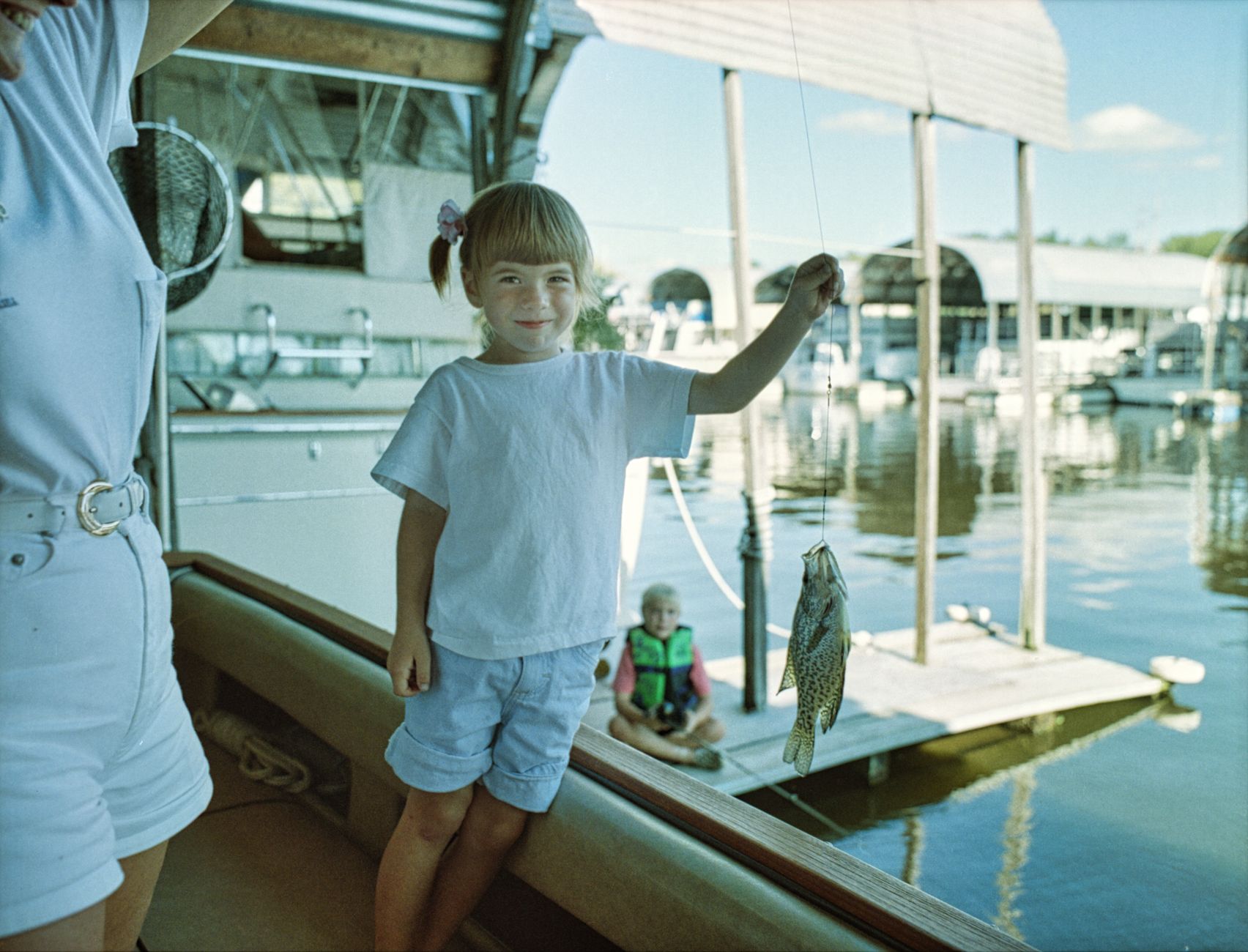
Crappie, a popular freshwater fish found in North America, has piqued the interest of many anglers and home cooks alike due to its mild flavor and flaky texture. If you’ve caught or purchased crappie, you may be wondering not only how to prepare it but also if it is safe and delicious to eat.
This article delves into the various aspects of crappie as a food source, including its flavor profile, nutritional facts, cooking methods, and some creative serving ideas. This guide aims to offer everything you need to know about crappie to elevate your culinary adventures.
Can You Eat Crappie?
Yes, you can eat crappie. This freshwater fish is well-liked for its mild flavor and versatility in cooking. When prepared properly, crappie can be a delightful addition to your meals, and it’s especially popular among anglers and those who enjoy freshwater fishing.
Understanding Crappie: Types and Characteristics
Before we get into the culinary aspects, it’s important to understand what crappie is. There are two primary species of crappie: black crappie and white crappie. Both species are members of the sunfish family and can be found in lakes, rivers, and ponds across North America.
Black Crappie
Black crappie is characterized by its dark, mottled body with a plethora of black spots. It tends to prefer clear waters with plenty of vegetation. This species is often considered tastier due to its slightly firmer texture.
White Crappie
White crappie has a lighter coloration with vertical stripes on its body. It typically inhabits murkier waters and can be found in larger bodies of water. While both species are delicious, the taste may vary slightly.
Nutritional Benefits of Crappie
Crappie not only tastes good but also packs nutritional benefits. Here are some key points regarding its nutritional profile:
- Protein: Crappie is rich in protein, which is essential for building and repairing tissues.
- Low in Fat: It is a lean fish, making it a healthier choice compared to some other meat sources.
- Omega-3 Fatty Acids: While not as high as in fatty fish, crappie does contain these beneficial fats that support heart health.
- Vitamins and Minerals: Crappie is a source of several vitamins and minerals, including B vitamins, selenium, and phosphorus.
How to Prepare Crappie for Cooking
Preparing crappie for cooking involves several steps, from cleaning and filleting to seasoning. Here’s a straightforward guide:
Cleaning Crappie
- Start by rinsing the fish under cold water to remove any slime or debris.
- Use a sharp knife to scale the fish, if necessary, by scraping from the tail to the head.
- Make an incision behind the gills and down the belly to open the fish.
- Carefully remove the internal organs, including the entrails and gut. Rinse the cavity again under cold water.
- Chill the cleaned crappie in ice or refrigerate immediately if you do not plan to cook right away.
Filleting Crappie
Filleting crappie is easy once you get the hang of it. Here’s a step-by-step guide:
- Place the cleaned fish on a cutting board with the belly facing you.
- Insert the knife at the base of the skull at a 45-degree angle towards the backbone.
- Cut along the backbone towards the tail, following the bones to remove the fillet. Repeat on the other side.
- Remove any remaining bones from the fillet with tweezers or pliers.
- Rinse the fillets again and pat them dry with paper towels.
Cooking Techniques for Crappie
Crappie can be prepared through various cooking methods, each bringing out its mild flavor in unique ways. Here are some popular techniques:
Frying
Frying is a classic way to cook crappie, producing a crispy exterior and tender meat.
- Heat oil in a deep frying pan or skillet to around 350°F (175°C).
- Coat the fillets in seasoned flour or cornmeal.
- Fry the fillets for 3-4 minutes on each side until golden brown.
Baking
Baking crappie is a healthier option that preserves moisture and brings out its delicate flavor.
- Preheat your oven to 375°F (190°C).
- Place the fillets in a greased baking dish.
- Season with salt, pepper, and your choice of herbs.
- Bake for about 15-20 minutes or until the fish flakes easily with a fork.
Grilling
Grilling adds a smoky flavor and is perfect for summer cookouts.
- Preheat the grill to medium heat.
- Brush the fillets with oil and season to taste.
- Grill for about 4-5 minutes on each side or until cooked through.
Flavor Pairings and Seasoning Ideas
Crappie’s mild flavor makes it highly versatile when it comes to seasoning. Here are some great pairings and ideas:
- Citrus: Lemon and lime add brightness and cut through richness.
- Herbs: Dill, parsley, and thyme complement the delicate flavor of crappie.
- Spices: Paprika and garlic powder give a warm depth of flavor.
- Sauces: Creamy sauces, tartar sauce, or even a fresh mango salsa can elevate your dish.
Serving Suggestions and Ideas
Once you have cooked the crappie, it’s time to serve it. Here are some creative serving suggestions:
On a Platter
Serve crispy fried crappie fillets on a platter garnished with lemon wedges and fresh herbs. Pair it with coleslaw and hushpuppies for a traditional Southern meal.
In Tacos
Use crappie fillets to make fish tacos. Flake the cooked fish and serve it in taco shells with cabbage, salsa, and avocado for a fresh, flavorful meal.
As Part of a Salad
For a light meal, top a green salad with baked crappie fillets. Add seasonal vegetables, nuts, and a dressing of your choice for a nutritious option.
With Grains
Serve the crappie alongside a bed of rice or quinoa. A lemon-butter sauce drizzled over the top will enhance flavors beautifully.
Common Mistakes When Cooking Crappie
Even though crappie is relatively easy to prepare, it’s possible to make common mistakes. Here are some pitfalls to avoid:
- Overcooking: Crappie cooks relatively quickly. Overcooking can lead to dry, tough flesh—look for it to flake easily when done.
- Inadequate seasoning: Since crappie is mild, it needs adequate seasoning to enhance its flavor. Don’t shy away from spices!
- Improper storage: Always cool and refrigerate cooked crappie promptly. Improper storage can lead to food safety issues.
Storage and Reheating Crappie
Like many cooked fish, crappie can be stored and reheated safely if done correctly. Here are some tips:
Storage
- Cooked crappie can be kept in an airtight container in the refrigerator for up to three days.
- Ensure it is cooled to room temperature before sealing it in the container.
- You can freeze crappie fillets for up to six months. Wrap them tightly in plastic wrap followed by aluminum foil to prevent freezer burn.
Reheating
- The best way to reheat crappie is in the oven at 350°F (175°C) for about 10-15 minutes, or until heated through.
- A microwave can also be used but may lead to a rubbery texture, so use a low power setting and heat in short increments.
Final Thoughts on Eating Crappie
Crappie is a versatile and delicious fish option to include in your meals. Its mild flavor profile, ease of preparation, and nutritional benefits make it an excellent choice for both novice and experienced cooks.
Next time you have the chance to catch or purchase crappie, consider trying one of the cooking methods or serving ideas discussed in this article. Don’t hesitate to explore different seasonings and pair it with a variety of sides for a wholesome meal.
For more delicious seafood recipes, check out our walleye recipe and steelhead trout recipe. Happy cooking!