
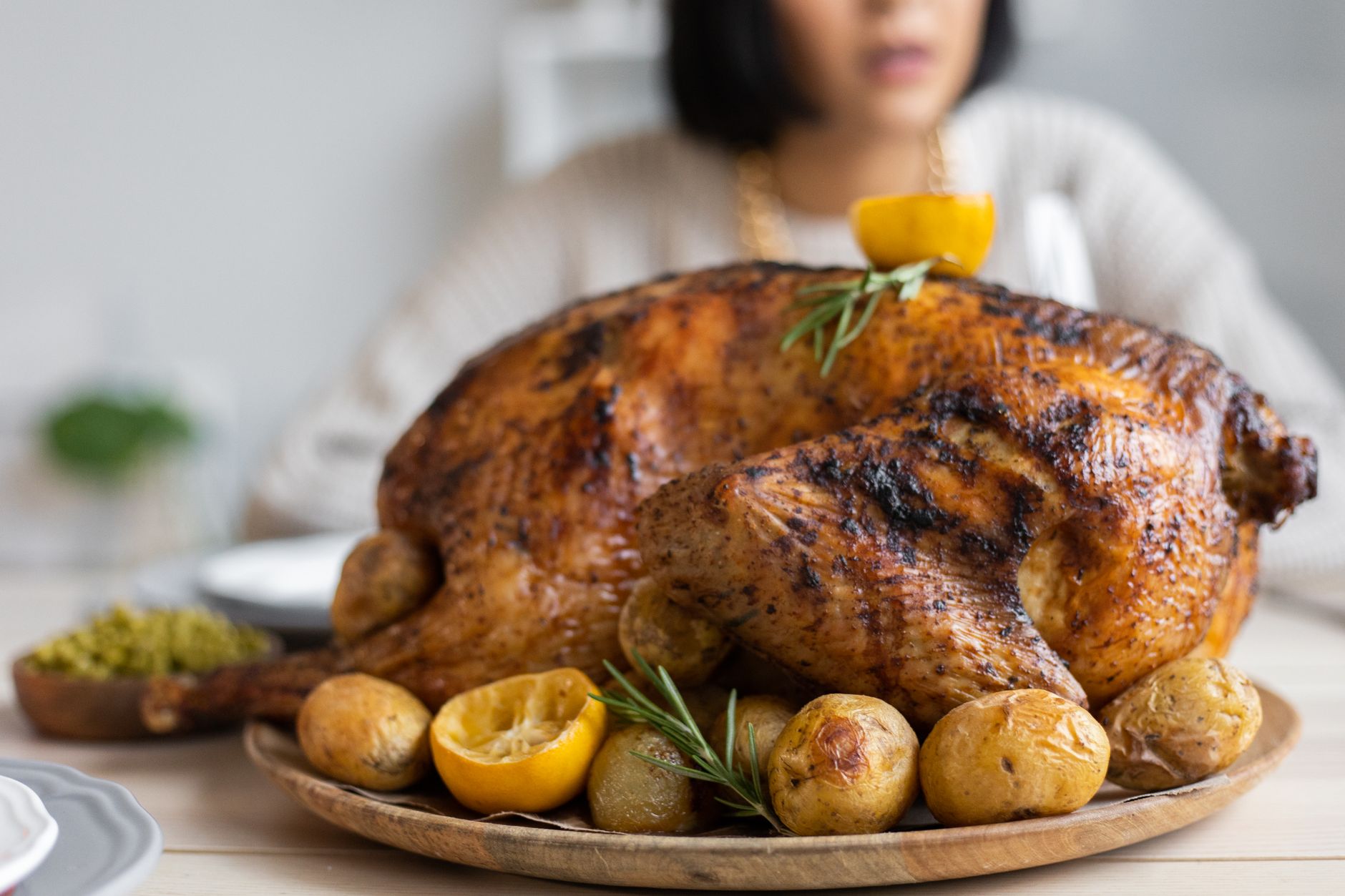
Cooking the perfect turkey is an art that combines timing, technique, and a touch of culinary magic. Understanding how long to cook a turkey is crucial for preparing this iconic dish, especially during festive occasions like Thanksgiving. From the various cooking methods to ensuring delicious doneness, knowing the right approach can make all the difference.
This comprehensive guide explores how long turkeys take to cook, considering different cooking methods, turkey sizes, preparation tips, and safety measures. Transform your turkey into a centerpiece that garners rave reviews with the information provided here.
How Long Do Turkeys Take to Cook?
The time it takes to cook a turkey depends on its weight and the cooking method. As a general guideline, an unstuffed turkey should cook for about 13 minutes per pound in a conventional oven set to 325°F, while a stuffed turkey takes around 15 minutes per pound. For example, a 12-pound unstuffed turkey will require approximately 2.5 to 3 hours of cooking time.
Factors That Affect Cooking Time
Several factors influence how long it takes to cook your turkey. Understanding these variables can help you plan more effectively and achieve the best results.
1. Turkey Weight
The most significant factor impacting cooking time is the weight of the turkey. Heavier birds naturally take longer to cook. Use the following general guidelines:
- 4 to 8 pounds: 1.5 to 2.5 hours (unstuffed), 2 to 3 hours (stuffed)
- 8 to 12 pounds: 2.5 to 3 hours (unpacked), 3 to 3.5 hours (stuffed)
- 12 to 14 pounds: 3 to 4 hours (unpacked), 4 to 4.5 hours (stuffed)
- 14 to 18 pounds: 4 to 4.25 hours (unpacked), 4.5 to 5 hours (stuffed)
- 18 to 20 pounds: 4.25 to 4.75 hours (unpacked), 5 to 5.5 hours (stuffed)
- 20 to 24 pounds: 4.75 to 5 hours (unpacked), 5.5 to 6 hours (stuffed)
2. Cooking Method
Different cooking methods yield various cooking times. Here are the most common methods:
- Roasting: The most traditional method, utilizing dry heat in an oven. Consult the above guideline for timing.
- Deep-Frying: A quicker method that can cook a turkey in about 3 to 4 minutes per pound, yielding crisp skin and moist meat. Be sure to follow safety precautions.
- Grilling: Requires an indirect heat setup. Expect cooking times similar to roasting, roughly 13-15 minutes per pound.
- Smoking: This flavorful method can take longer, roughly 30 to 40 minutes per pound depending on the temperature settings.
3. Oven Temperature
The oven temperature can significantly affect cooking time. The standard temperature for roasting turkey is 325°F, but you could also dip down to 300°F for a longer cooking time or up to 350°F for slightly faster cooking. Adjust cooking times accordingly.
4. Stuffing
Stuffing inside the turkey raises cooking times. An additional 30 to 45 minutes should be factored in with a stuffed bird. To ensure thorough cooking, the stuffing itself should reach a safe temperature of 165°F.
5. Turkey Temperature and Resting Time
After removing the turkey from the oven, it should rest for at least 20 to 30 minutes prior to carving. This allows the juices to redistribute, enhancing flavor and texture. During resting, the internal temperature of the turkey may rise slightly, so aim to remove the turkey from the heat when it reaches 165°F in the thickest part of the breast and the innermost thigh and wing.
How to Ensure Your Turkey is Cooked Properly
Cooking a turkey to absolute safety and perfection requires more than just following time guidelines. Here are practical tips to ensure your turkey is both delicious and safe to eat.
1. Use a Meat Thermometer
An accurate food thermometer is essential for checking the doneness of your turkey. Insert it into the thickest part of the breast, inner thigh, and wing without touching the bone. The turkey is safely cooked when it reaches a minimum temperature of 165°F. Ensure the stuffing also registers at this temperature if cooked inside the turkey.
2. Check Different Sections
Since cooking can vary in different areas of a turkey, check multiple sections, especially the thicker thigh and breast, to confirm they are done. Parts that are darker, like the thighs, tend to require slightly longer cooking times.
3. Use the Juices as an Indicator
When you poke the thigh with a thin skewer or knife, the juices running from it should run clear rather than pink. This is another sign of doneness, but it should not replace the use of a thermometer.
Common Mistakes When Cooking a Turkey
Even seasoned cooks can encounter pitfalls during turkey preparations. Here are some common missteps and how to avoid them.
1. Not Thawing the Turkey Properly
Make sure your turkey is fully thawed before cooking, especially if it’s frozen. A good rule of thumb is to allow 24 hours of thawing in the refrigerator for every 4 to 5 pounds of turkey. If you thaw it in cold water, allow 30 minutes per pound.
2. Overcooking
While it might be tempting to leave a turkey in the oven for longer to ensure it’s cooked through, overcooking can lead to dry meat. Use your meat thermometer to monitor the temperature closely.
3. Forgetting to Rest
Failing to let the turkey rest before carving can lead to loss of moisture. Allow it to rest for at least 20 to 30 minutes to maintain juiciness and enhance flavor.
Cooking a Turkey: Step-by-Step Guide
Here’s a detailed method for cooking a roasted turkey to perfection.
Ingredients
- 1 whole turkey (size of your choice)
- Salt and pepper (for seasoning)
- Herbs (such as rosemary, thyme, sage)
- Butter or olive oil (for basting)
- Onions, garlic, and other aromatics (optional)
- Stuffing (optional, if desired)
Equipment
- Roasting pan
- Meat thermometer
- Basting brush
- Sharp carving knife
- Aluminum foil
Step-by-Step Method
- Thaw the Turkey: If frozen, ensure the turkey is completely thawed in the refrigerator or cold water ahead of time.
- Preheat the Oven: Preheat your oven to 325°F (163°C).
- Prepare the Turkey: Remove giblets and neck from the turkey cavity. Pat the turkey dry with paper towels.
- Season and Stuff: Generously season the turkey inside and out with salt, pepper, and fresh herbs. If stuffing, fill the cavity loosely with stuffing.
- Truss the Turkey: Use kitchen twine to tie the legs together and tuck the wings under the body if desired.
- Place in Roasting Pan: Put the turkey breast-side up on a rack in a roasting pan.
- Baste: Rub melted butter or olive oil over the turkey skin. Baste every 30 to 45 minutes during cooking.
- Monitor Temperature: Use your meat thermometer to check the thickest parts of the turkey. For an unstuffed bird, cook until it reaches at least 165°F.
- Rest: Once done cooking, remove the turkey from the oven, tent it with aluminum foil, and let it rest for 20 to 30 minutes.
- Carve and Serve: After resting, carve the turkey and serve with your choice of sides.
Cooking Method Variations
Your cooking method can drastically change the flavor and texture of your turkey. Here are different techniques to consider if you want to mix things up:
Deep-Frying
Deep-frying a turkey results in a crisp, golden exterior and moist interior. Here’s how:
- Heat oil in a turkey fryer to 350°F.
- Cook the turkey for about 3 to 4 minutes per pound, ensuring oil coverage does not exceed the fryer’s limits.
- Follow safety precautions to prevent fires and burns.
Grilling
Grilling can impart delicious smoky flavors to the turkey. Use indirect heat for best results:
- Preheat one side of the grill.
- Place the turkey on the cooler side, away from direct heat, and cover.
- Cook for about 13 to 15 minutes per pound.
Smoking
Smoking your turkey can provide unique flavors that traditional roasting does not. Here’s a brief summary of the process:
- Soak wood chips in water and add to your smoker.
- Maintain a temperature between 225°F to 250°F.
- Cook for about 30 to 40 minutes per pound, checking the internal temperature.
Storing Cooked Turkey
Once the meal has concluded, proper storage is essential for leftovers. Here is how to store cooked turkey safely:
Cooling
Cool the turkey to room temperature within two hours after cooking. After cooling, carve any unfinished portions and store in airtight containers.
Refrigeration
Refrigerate cooked turkey within two hours of cooking. It can last for three to four days in the fridge.
Freezing
If you want to store turkey for a longer period, freeze it. Wrap portions tightly in plastic wrap and foil before placing them in a freezer bag. Frozen turkey can last for up to six months.
Final Tips for Cooking Turkey
- Plan your cooking and resting time to ensure the turkey is ready when you need it.
- Take advantage of a meat thermometer to ensure even cooking.
- Experiment with flavors by using different marinades or brines to elevate the taste.
- Keep extra drippings for a delicious gravy that pairs well with turkey.
Cooking a turkey may seem daunting, but with careful planning and timing, it can be a rewarding experience. The key lies in understanding your turkey’s weight, desired cooking method, and keeping an eye on temperature to ensure it is cooked to perfection.
To deepen your understanding of turkey cooking, explore how long to cook turkey per pound or discover the art of deep-frying a turkey for a crispy twist. Enjoy your festive meals with confidence this season!