
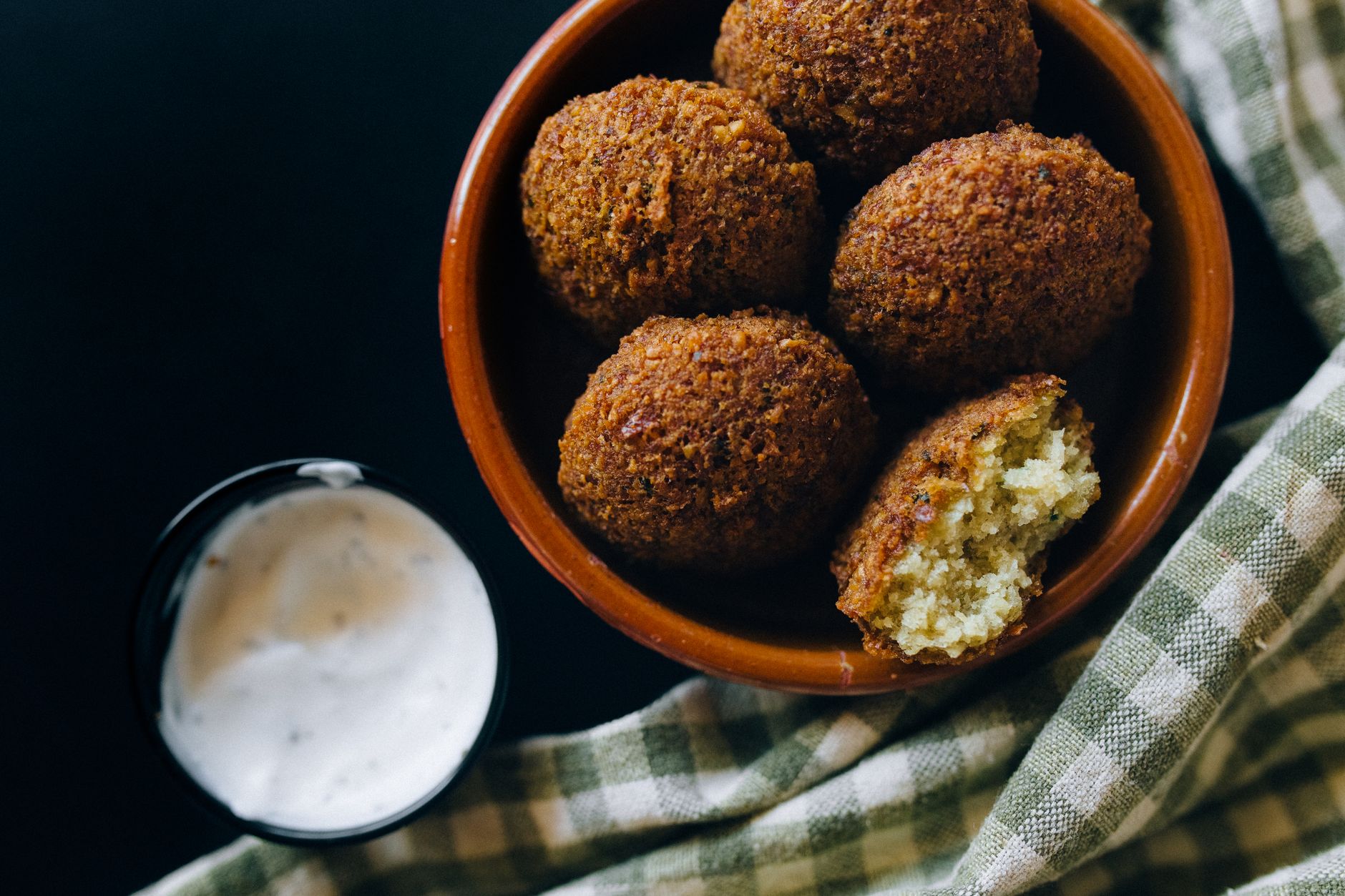
Falafel is a popular Middle Eastern dish made from ground chickpeas or fava beans, shaped into balls or patties, and usually deep-fried until golden brown. It is enjoyed for its distinctive flavor, texture, and versatility, serving as an excellent vegetarian or vegan protein source.
This article explores what falafel is in detail, including its ingredients, flavor profile, and various ways to serve it. Flavorful, crispy on the outside, and soft on the inside, falafel is more than just a street food—it’s a beloved dish in many cultures.
What Is a Falafel?
Falafel refers to both the fried balls or patties made from ground legumes and the methods used to prepare them. Traditionally, falafel is made with chickpeas, but it can also be made with fava beans or a mix of both. The dish is known for its flavorful spices, and it often appears on street food menus or as part of a large meal.
Key Ingredients in Falafel
The fundamental ingredients of falafel include legumes, herbs, spices, and a binding agent. Understanding these components helps highlight its unique flavor and texture.
Legumes
- Chickpeas: Most common in traditional falafel recipes. They provide a nutty flavor and creamy texture.
- Fava Beans: Used in some regional variations, offering a slightly earthier flavor.
Herbs
- Parsley: Adds a fresh, vibrant taste and green color.
- Cilantro: Often included for an extra layer of flavor, though optional.
Spices
- Cumin: Provides warmth and depth of flavor.
- Coriander: Adds citrusy notes which brighten the mixture.
- Garlic: Offers pungency and enhances the overall taste.
- Salt and Pepper: Essential for balancing the flavors.
Binding Agents
- Flour: Commonly a small amount of all-purpose flour helps hold the falafel together.
- Baking Powder: Sometimes included to lighten the texture.
Flavor and Texture of Falafel
Falafel is rich in flavor, thanks to the combination of spices and herbs. The outer layer is typically crispy and golden brown, while the inside remains moist and tender. When fried properly, the juxtaposition of crunchy and soft textures contributes to a satisfying eating experience.
Flavor Profile Breakdown
These components contribute to a harmonious blend of earthy, spicy, and fresh flavors that make falafel stand out.
- Nutty and Creamy: Chickpeas and fava beans provide a familiar legume background.
- Herbaceous: Fresh herbs introduce a refreshing brightness.
- Spicy: Earthy warmth from cumin and coriander rounds out the profile.
- Garlicky: Raw garlic and onions add a sharp, savory depth.
How to Make Falafel: A Basic Method
Making falafel at home is simple and rewarding. While variations exist, this basic method will guide you through the process.
Estimated Time:
- Preparation Time: 1 hour
- Cooking Time: 20 minutes
- Total Time: 1 hour 20 minutes
Ingredients List
- 1 cup dried chickpeas or fava beans (soaked overnight)
- 1 small onion, chopped
- 2-3 cloves garlic, minced
- 1/4 cup fresh parsley, chopped
- 1/4 cup fresh cilantro, optional, chopped
- 1 teaspoon ground cumin
- 1 teaspoon ground coriander
- Salt and pepper to taste
- 2-4 tablespoons flour (if needed for binding)
- Oil for frying
Essential Equipment
- Large bowl for soaking chickpeas
- Food processor or blender
- Frying pan or deep fryer
- Tongs or a slotted spoon
Step-by-Step Instructions
- Drain and rinse the soaked chickpeas or fava beans, then place them in a food processor along with the onion, garlic, parsley, cilantro, cumin, coriander, salt, and pepper.
- Pulse until a coarse mix forms. Avoid over-processing; a bit of texture is desirable. If the mixture feels too wet, gradually add flour until it holds together.
- Transfer the mixture to a bowl and let it rest for about 30 minutes. This allows flavors to meld and makes shaping easier.
- Heat oil in a frying pan to about 350°F (175°C). If using a deep fryer, follow the manufacturer’s instructions for temperature settings.
- Form the mixture into small balls or patties, about 1.5 inches in diameter.
- Carefully lower the balls into the hot oil, frying in batches to avoid overcrowding. Fry for about 3-4 minutes, or until they are golden brown and crispy.
- Use tongs to remove the falafels, and place them on a paper towel-lined plate to absorb excess oil.
Common Mistakes in Making Falafel
- Using Canned Chickpeas: This will yield a soggy falafel. Always opt for dried legumes soaked overnight for the best results.
- Overmixing: Achieving a smooth paste will lead to dense falafel. A coarse mixture with some chunks is ideal.
- Improper Oil Temperature: Oil that is too hot will burn the falafel before cooking through, while oil that is too cool will result in greasy falafel.
Serving Suggestions
Falafel is incredibly versatile and can be served in numerous ways, making it suitable for various occasions.
Classic Serving Ideas
- Pita Sandwich: Stuff falafel in warm pita with lettuce, tomatoes, cucumbers, and tahini sauce or garlic sauce for a quick meal.
- Plate or Bowl: Serve alongside a salad, rice, or quinoa, with a dollop of hummus or tzatziki for a satisfying dish.
- Appetizer: Make mini falafel bites and serve them with dipping sauces such as tzatziki, tahini, or a spicy harissa sauce.
- Falafel Wraps: Wrap falafel in a tortilla with mixed veggies and sauces for a mobile meal option.
Variations of Falafel
Fleeting between culinary creativity and tradition, many variations of falafel exist worldwide.
Regional Variations
- Levantine Falafel: Common in Lebanon and Syria, usually made with chickpeas.
- Egyptian Falafel: Often referred to as ‘Ta’ameya,’ this version uses fava beans and commonly incorporates fresh herbs and spices like dill or mint.
Flavor Substitutions
Experimenting with flavors can lead to delightful variations:
- Spices: Add paprika or cayenne for heat, or sumac for a tangy touch.
- Herbs: Try basil or mint for a fresh twist on the traditional parsley or cilantro.
How to Store and Reheat Falafel
Proper storage techniques can help extend the life of your falafel, ensuring that they remain delicious even a few days later.
Storage Guidance
- Refrigeration: Allow cooked falafel to cool completely, store in an airtight container, and refrigerate for up to 4 days.
- Freezing: Place uncooked shaped falafel on a baking sheet to freeze, then transfer to a freezer bag for up to 3 months. Fry directly from frozen.
Reheating Techniques
- Oven: Bake at 350°F (175°C) for about 10-15 minutes until heated through and crispy again.
- Skillet: Reheat in a small amount of oil over medium heat until warm.
Dietary Considerations
Falafel is naturally plant-based, making it a popular choice for vegetarians and vegans. However, it’s essential to check ingredients when purchasing pre-made versions, as some may contain animal products.
Conclusion
Falafel is not only a flavorful and satisfying dish but also a reflection of cultural culinary practices. Its flexibility allows it to suit various dietary needs and preferences, making it a worthy addition to any meal plan. Whether you opt for classic or experimental takes, falafel delivers joy in every bite.
For more delightful recipes, check out this hummus recipe and explore the creamy textures of chia pudding as delicious complements to your falafel creation.