
Understanding food safety and proper storage techniques is essential for anyone who enjoys cooking and meal prepping. One common ingredient, cooked beans, often raises questions about their shelf life in the refrigerator. Knowing how to effectively store beans can help minimize food waste and ensure that you enjoy their delicious flavors and nutritional benefits.
This article will outline how long cooked beans are good for in the fridge, provide tips for storing them safely, and discuss the best practices for reheating and using them in various dishes. Whether you enjoy black beans, chickpeas, or kidney beans, understanding how to handle cooked beans will make your cooking experience even more enjoyable.
How Long Are Cooked Beans Good For In The Fridge?
Cooked beans typically remain good for 3 to 5 days when stored properly in the refrigerator. This duration depends on factors such as their initial cooking method, how they were stored, and the overall temperature of your fridge. Ensuring they are kept in an airtight container and cooled quickly after cooking will help maintain their quality and safety.
Factors Influencing Shelf Life of Cooked Beans
Several factors can affect how long cooked beans are good for in the fridge, including:
- Storage Conditions: Beans should be stored in airtight containers to keep out moisture and contaminants.
- Initial Cooking Method: Cooking methods that incorporate more fat or sugars can affect preservation.
- Temperature: A refrigerator running at the optimal temperature (below 40°F or 4°C) is crucial for food safety.
- Cooling Time: Beans should be cooled down quickly to prevent bacterial growth.
Best Practices for Storing Cooked Beans
Proper storage is key to preserving the freshness and safety of your cooked beans. Here are some best practices:
1. Cool Them Quickly
After cooking, allow your beans to cool slightly at room temperature for about 30 minutes before transferring them to the refrigerator. Do not leave them out for more than two hours to avoid any risk of bacterial growth.
2. Use Airtight Containers
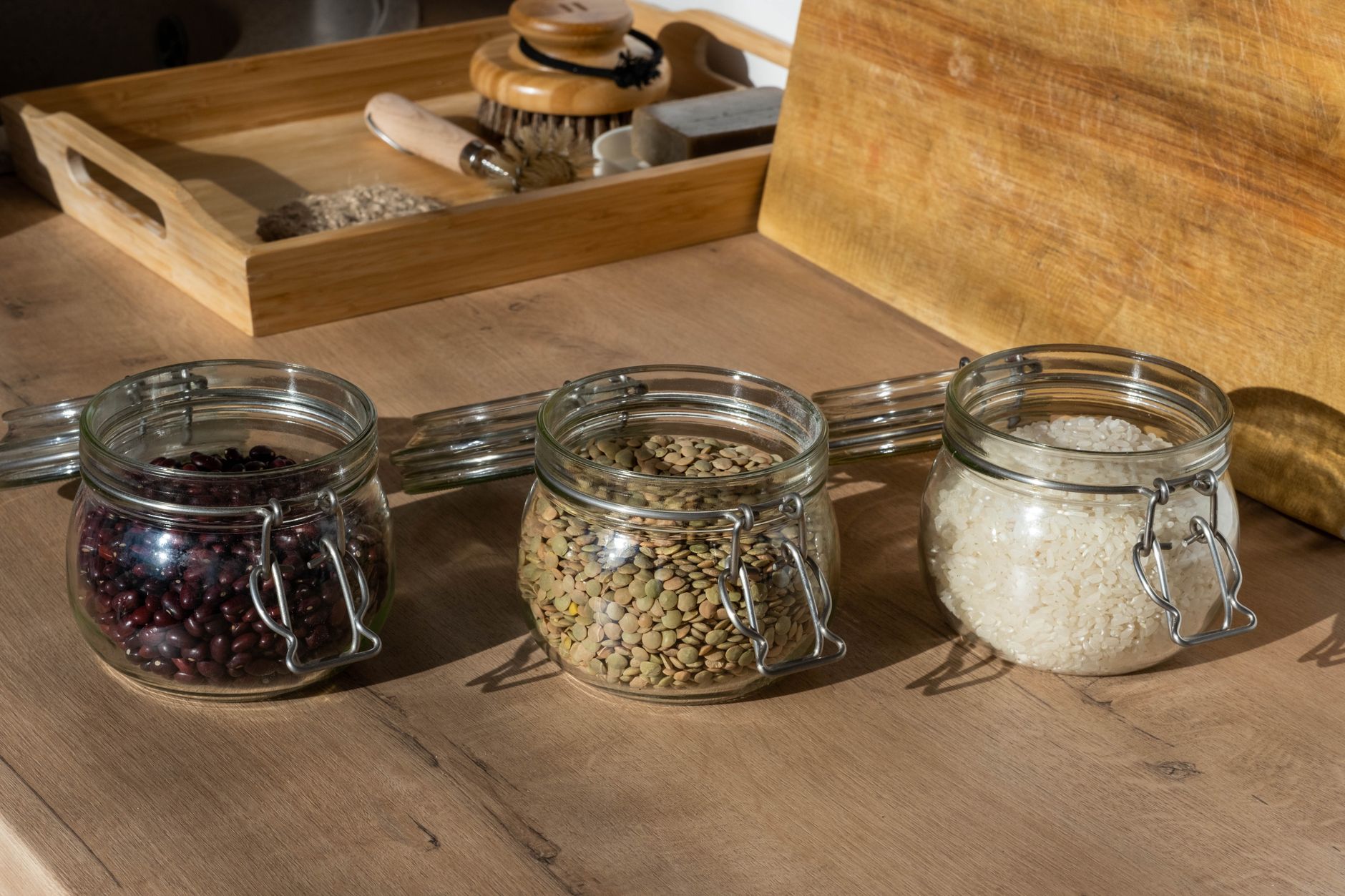
Store cooked beans in airtight containers made of glass or BPA-free plastic. These will help prevent moisture and odors from other foods in the refrigerator from contaminating the beans.
3. Label with Date
Always label your containers with the date they were cooked. This practice helps you track their shelf life more easily and reduces the chances of letting them sit too long.
4. Portion Control
If you prepared a large batch of beans, consider portioning them into smaller containers. This makes it easier to take out just what you need without exposing the rest to air and potential spoilage.
5. Avoid Temperature Fluctuations
Store beans on shelves in the refrigerator rather than in the door, as the door’s temperature fluctuates more with frequent opening and closing.
Signs That Cooked Beans Have Spoiled
Even with proper storage, cooked beans may eventually spoil. Here are some signs to look out for:
- Smell: A sour or off smell is a clear indicator that the beans have spoiled.
- Appearance: If you see any mold growing on the beans or inside the container, discard them immediately.
- Texture: Cooked beans should be firm and slightly creamy. If they feel slimy or mushy, it’s time to throw them out.
- Color: Discoloration, such as a dull or brownish hue, can be a sign of spoilage.
Reheating Cooked Beans Safely
When it’s time to enjoy your cooked beans again, proper reheating is important to ensure food safety and maintain flavor. Here are some guidelines:
1. Proper Reheating Methods
Cooked beans can be reheated using a few methods:
- Microwave: Place beans in a microwave-safe container, add a splash of water to keep them moist, and heat them in short intervals, stirring in between.
- Stovetop: Heat beans in a saucepan over medium heat, adding a little water or broth if needed. Stir frequently until heated through.
- Oven: Preheat your oven to 350°F (175°C), place beans in an oven-safe dish, cover with foil, and heat for about 20 minutes or until warm.
2. Ensure Thorough Heating
When reheating, ensure that the beans reach an internal temperature of at least 165°F (74°C) to ensure they are safe to eat. Use a food thermometer to check.
Using Cooked Beans in Your Meals
Cooked beans are incredibly versatile and can be included in a variety of recipes. Here are some ideas for incorporating them into your meals:
1. Salads
Black beans or chickpeas can be added to salads for extra protein and fiber. Combine with fresh vegetables, herbs, and a zesty dressing for a nutritious meal.
2. Soups and Stews
Adding cooked beans to soups and stews enriches them and provides a hearty texture. They can be a great thickener for chili or vegetable soups.
3. Spreads and Dips
Puree cooked beans with garlic, lemon juice, and olive oil to create a delicious dip or spread. Hummus is a popular option made from chickpeas but can also be made with other beans.
4. Burritos and Tacos
Incorporate cooked beans into burritos, tacos, or nachos for a flavorful filling. They pair well with cheese, avocados, and salsas.
5. Rice and Grain Bowls
Beans can elevate bowls made with quinoa, brown rice, or farro. Add fresh veggies, protein, and a dressing for a complete meal.
Bean Storage and Meal Prep Tips
Meal prepping with beans is a great way to save time and reduce waste. Here are some useful tips:
1. Batch Cooking
Consider batch cooking your beans at the start of the week. This ensures you have ready-to-use beans for multiple meals throughout the week.
2. Freeze for Longer Storage
If you know you won’t use cooked beans within the 3 to 5-day window, freeze them instead. Place cooled beans in freezer-safe containers or bags with as much air removed as possible. They can last for up to 6 months in the freezer.
3. Thawing Frozen Beans
To thaw frozen beans, transfer them to the refrigerator overnight or microwave them on defrost. They may be slightly softer than freshly cooked beans but will still be delicious.
Common Mistakes to Avoid
As you navigate the world of cooked beans, watch out for these common mistakes:
1. Not Cooling Properly
Failing to cool beans quickly can lead to bacterial growth. Make sure they cool to room temperature and then go straight into the refrigerator.
2. Leaving Beans Too Long
While beans can last several days, they don’t have an indefinite shelf life. Check for signs of spoilage and adhere to the recommended time frame.
3. Skipping the Airtight Container
Choosing not to use an airtight container can lead to stale beans or absorption of other odors from the fridge. Always store them properly.
4. Reheating in Very Large Batches
Reheating large amounts can result in uneven temperatures and may not heat all parts safely. Reheat only what you need.
Conclusion
Properly storing and reheating cooked beans can keep them safe and delicious for up to 3 to 5 days in the refrigerator. Remember to follow best practices such as cooling them quickly, using airtight containers, and being mindful of storage conditions. With these tips, you can enjoy the hearty flavors and nutritional benefits of beans in various dishes throughout the week.
For more food storage tips, you can explore how long beans last in the fridge, or try out a flavorful Southern pinto beans recipe to elevate your meals.