
When it comes to baking, many home cooks have been taught to use butter or vegetable oils, leaving olive oil as a lesser-known option. However, olive oil can add depth of flavor, moisture, and a distinct character to baked goods. This article explores the benefits and techniques of baking with olive oil, along with practical tips for using it effectively.
Whether you’re wondering how it affects flavor and texture or looking for specific recipes to try, this guide provides everything you need to enhance your baking with olive oil.
Can You Bake with Olive Oil?
Yes, you can bake with olive oil, and many recipes benefit from its rich flavor and moisture content. Olive oil also brings health benefits and can replace other fats in most baking recipes. While it may alter the taste slightly, the distinct flavor can enhance non-sweet dishes and even some desserts.
Understanding Olive Oil
Before diving into baking with olive oil, it’s essential to understand its characteristics. The flavor, aroma, and suitability for baking can vary significantly based on the type of olive oil used. Here’s a breakdown:
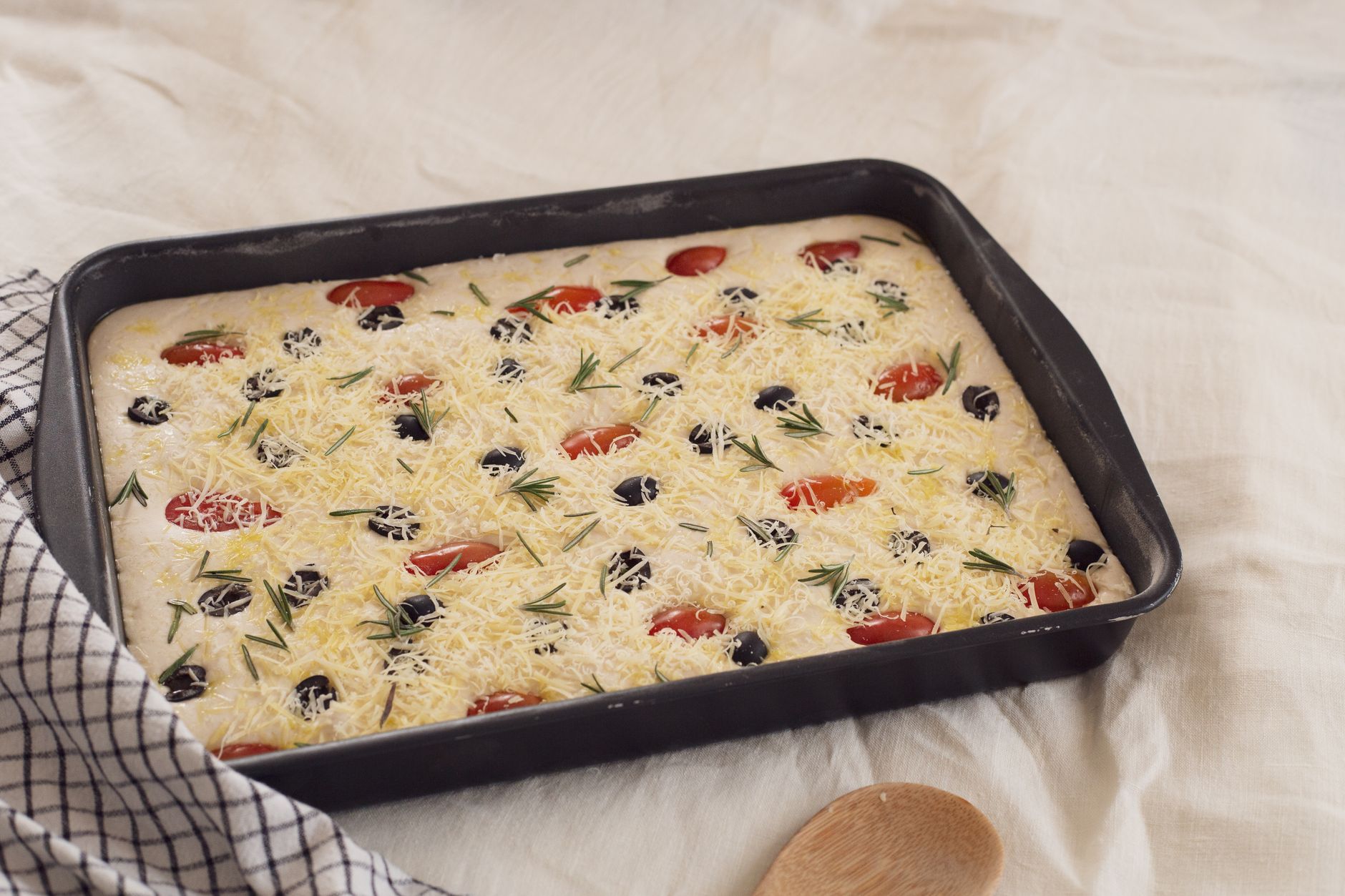
- Extra Virgin Olive Oil: This is the highest quality olive oil, which has a fruity flavor and various fruity or peppery notes. It’s best for savory baked goods, such as bread or focaccia, but can also shine in desserts like cakes and brownies.
- Regular Olive Oil: A blend of refined and virgin olive oil, it has a milder flavor compared to extra virgin. It’s a versatile choice for both savory and sweet baked goods.
- Light Olive Oil: This oil is lighter in taste and color, making it great for bakers who want olive oil without a strong flavor. It can be used in cakes and muffins where a neutral taste is preferable.
Benefits of Baking with Olive Oil
Baking with olive oil offers several advantages over traditional fats. Here are some of the key benefits:
- Health Benefits: Olive oil is rich in monounsaturated fats, which are known to support heart health. It also contains antioxidants that provide anti-inflammatory benefits.
- Moisture: Baked goods made with olive oil tend to be more moist than those made with butter. This is particularly beneficial for items like cakes, muffins, and brownies.
- Flavor Enhancement: Olive oil can add a depth of flavor to baked goods, enriching them with a unique taste profile that complements various ingredients.
- Ease of Use: Unlike butter, which must be softened and creamed for many recipes, olive oil can be directly measured and mixed into batter, making the prep process quicker.
Tips for Baking with Olive Oil
When incorporating olive oil into your baking, consider the following tips to achieve the best results:
1. Choose the Right Type of Olive Oil
As mentioned, the flavor profile of your recipe can be influenced by the type of olive oil you choose. For more intense flavor, opt for extra virgin; for a milder profile, regular or light olive oil works well.
2. Adjust Ratios
When substituting olive oil for butter or other oils, a common ratio is to use 3/4 cup of olive oil for every 1 cup of butter. If the recipe relies heavily on butter for flavor (like cookies), you may want to stick to a smaller proportion, such as 1/2 cup of olive oil.
3. Embrace the Flavor
Some baked goods lend themselves to olive oil’s robust flavor. Mediterranean-style cakes, herb-infused breads, and olive oil-based brownies are excellent options. Be adventurous and experiment with flavor pairings!
4. Mind the Temperature
While olive oil has a higher smoke point than many other oils (around 375°F / 190°C for extra virgin), it is advisable to avoid high-temperature baking. Stick to moderate temperatures to prevent the oil from developing a bitter taste and losing beneficial nutrients.
5. Experiment with Infusions
You can further enhance the flavor of your baked goods by infusing olive oil with herbs, citrus zest, or spices before mixing it into the batter. Allow the oil to sit for a few hours to develop a more intricate profile.
Common Olive Oil Baking Recipes
Now that you understand the value and techniques of using olive oil in baking, it’s time to explore a few recipes. Here are three popular options where olive oil is a star ingredient:
Olive Oil Cake
This moist, tender cake uses olive oil instead of butter and can be enhanced with lemon zest or orange blossom water for added flavor.
Yield:
8 servings
Preparation Time:
15 minutes
Cooking Time:
30-35 minutes
Total Time:
45-50 minutes
Ingredients:
- 1 1/2 cups all-purpose flour
- 1 cup granulated sugar
- 1/2 cup extra virgin olive oil
- 3 large eggs
- 1/2 cup milk
- 2 tsp baking powder
- 1/4 tsp salt
- Zest of 1 lemon (optional)
Essential Equipment:
- Mixing bowl
- Whisk or electric mixer
- 9-inch round cake pan
- Oven
Method:
- Preheat the oven to 350°F (175°C). Grease and flour the cake pan.
- In a mixing bowl, whisk together the flour, sugar, baking powder, and salt.
- In another bowl, beat the eggs and mix in the olive oil and milk. If using lemon zest, add it here.
- Combine the wet and dry ingredients until just incorporated.
- Pour the batter into the prepared pan and bake for 30-35 minutes, or until a toothpick inserted into the center comes out clean.
- Allow to cool before serving; enjoy with a dusting of powdered sugar or fresh fruit.
Olive Oil Chocolate Chip Cookies
These chocolate chip cookies offer a chewy texture with a hint of olive oil flavor, creating a delightful twist on a classic treat.
Yield:
24 cookies
Preparation Time:
10 minutes
Cooking Time:
12-15 minutes
Total Time:
22-25 minutes
Ingredients:
- 1/2 cup extra virgin olive oil
- 1/2 cup granulated sugar
- 1/2 cup brown sugar
- 1 large egg
- 1 tsp vanilla extract
- 1 1/2 cups all-purpose flour
- 1/2 tsp baking soda
- 1/2 tsp salt
- 1 cup chocolate chips
Essential Equipment:
- Mixing bowl
- Whisk or electric mixer
- Baking sheet
- Parchment paper (optional)
- Oven
Method:
- Preheat the oven to 350°F (175°C) and line a baking sheet with parchment paper.
- In a mixing bowl, combine the olive oil, granulated sugar, and brown sugar. Beat until well mixed.
- Add the egg and vanilla extract to the mixture, stirring until combined.
- In another bowl, mix the flour, baking soda, and salt.
- Gradually add the dry ingredients to the wet ingredients, mixing until just combined. Fold in the chocolate chips.
- Drop tablespoon-sized balls of dough onto the prepared baking sheet, spacing them apart.
- Bake for 12-15 minutes or until the edges are golden. Allow to cool before serving.
Herb-Infused Olive Oil Bread
This savory bread incorporates olive oil and fresh or dried herbs, making it perfect for dipping or enjoying with soup.
Yield:
1 loaf
Preparation Time:
20 minutes (plus rising time)
Cooking Time:
30-35 minutes
Total Time:
1.5-2 hours (includes rising)
Ingredients:
- 3 1/4 cups all-purpose flour
- 1 cup warm water (110°F / 43°C)
- 2 1/4 tsp active dry yeast (1 packet)
- 1/4 cup extra virgin olive oil
- 1 tsp salt
- 1 tbsp chopped fresh rosemary (or 1 tsp dried)
- 1 tbsp chopped fresh thyme (or 1 tsp dried)
Essential Equipment:
- Large mixing bowl
- Loaf pan
- Plastic wrap or kitchen towel
- Oven
Method:
- In a bowl, combine warm water and yeast. Let sit for 5-10 minutes until frothy.
- Add flour, olive oil, salt, and herbs to the yeast mixture. Stir to combine.
- Knead the dough on a floured surface for about 5-7 minutes until smooth.
- Place the dough in a greased bowl, cover with plastic wrap or a kitchen towel, and let it rise in a warm place for about 1-2 hours, or until doubled in size.
- Preheat the oven to 375°F (190°C). Punch down the risen dough and shape it into a loaf.
- Place the loaf in a greased loaf pan and allow it to rise again for about 30 minutes.
- Bake for 30-35 minutes or until the bread sounds hollow when tapped. Let cool before slicing.
Common Mistakes When Baking with Olive Oil
While using olive oil in baking can yield delicious results, certain mistakes can detract from your success:
- Using Low-Quality Olive Oil: Low-quality oils can impart undesirable flavors. Always opt for good-quality olive oil for the best results.
- Incorrect Measurements: When substituting olive oil for butter, precise measurements are crucial. Using too much oil can make baked goods overly greasy.
- Overbaking: Olive oil can make baked goods darker in color. Keep a close eye on your treats toward the end of baking to avoid overbaking.
Storage and Reheating Tips
Proper storage will ensure your baked goods maintain their flavor and texture:
- Room Temperature: Most baked goods, such as cookies and breads, can be stored at room temperature in an airtight container for up to 3-4 days.
- Refrigeration: If you are not planning to consume baked goods within a few days, you can refrigerate them, especially items like cakes. Be mindful that refrigeration may dry them out; cover well in plastic wrap.
- Freezing: Many baked items freeze well. Wrap them tightly in plastic wrap, followed by foil, and store them in a freezer-safe bag for up to three months. Thaw at room temperature when ready to eat.
- Reheating: For best results, reheat items in the oven at a low temperature (around 300°F / 150°C) to preserve their texture. Microwave reheating can result in a chewy consistency.
Final Thoughts
Baking with olive oil adds a unique flavor and health benefits that conventional fats may lack. Embrace the versatility of olive oil in your baking – whether it’s a simple cake, a fun cookie recipe, or an aromatic bread.
Next time you’re gathering ingredients or exploring new recipes, consider integrating olive oil into your baked goods for a delightful twist. Soon, you may discover it becoming your go-to fat in the kitchen.
If you’re interested in more recipes and tips, check out the banana bread recipe with oil or explore if you can substitute avocado oil for olive oil in your cooking adventures.