
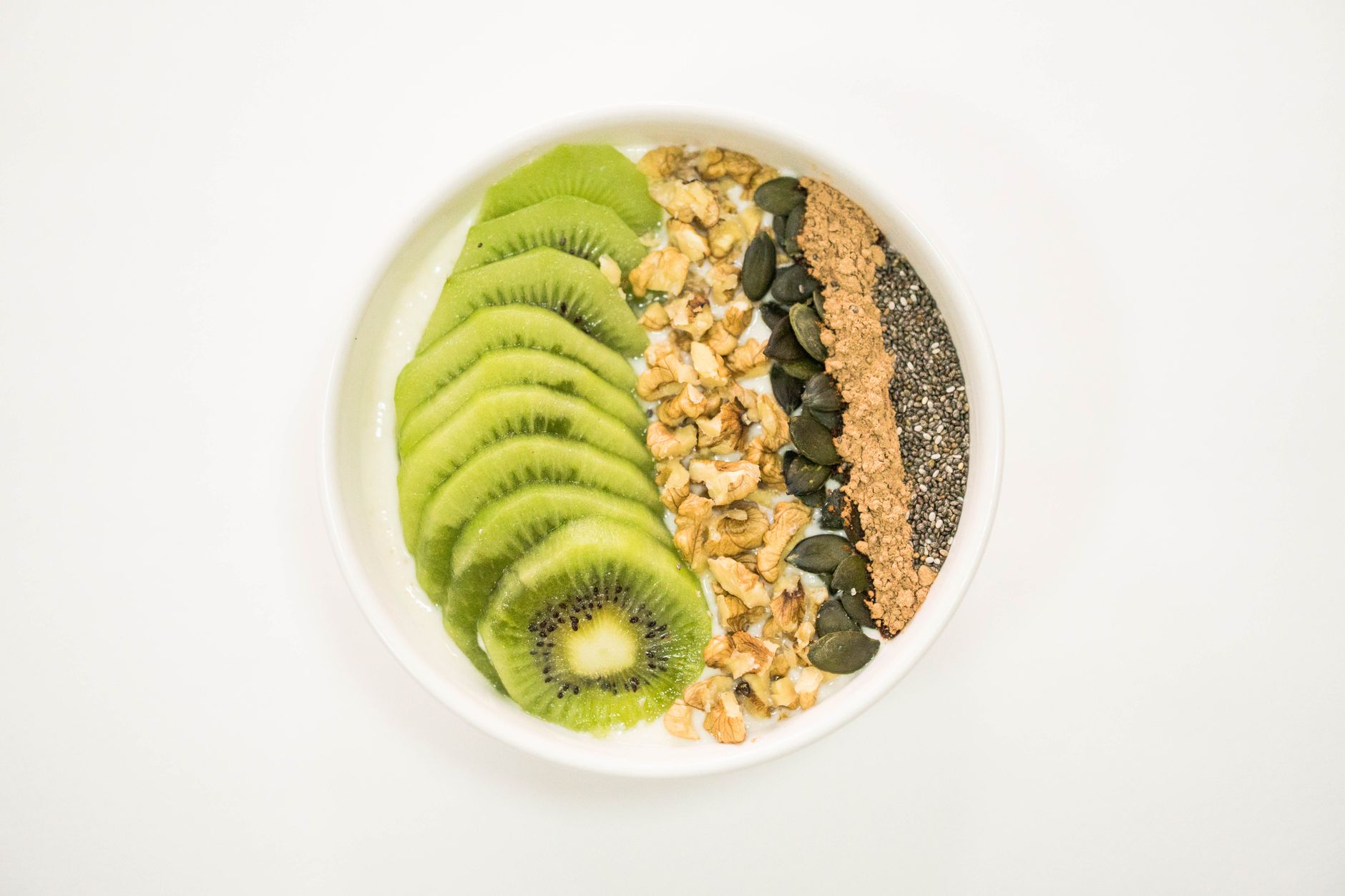
After completing a cardio workout, your body craves the right nutrients for recovery, energy restoration, and muscle repair. Choosing the right foods to eat afterward can greatly enhance your fitness results, promote quicker recovery, and support overall health.
This article will explore what to eat after doing cardio, providing you with delicious side dishes and meal ideas that are both satisfying and nutritious.
What to Eat After Doing Cardio?
After doing cardio, it’s important to consume a balanced meal containing carbohydrates and protein. Carbs help replenish glycogen stores while protein aids in muscle repair. Including healthy fats can also support overall health. Here are some meal ideas and side dishes to fuel your post-workout recovery.
Understanding Macronutrients
Macronutrients are the primary building blocks of nutrition. They consist of carbohydrates, proteins, and fats, all of which play a vital role in your post-cardio meal.
- Carbohydrates: Restores energy by replenishing glycogen levels. Sources include whole grains, fruits, and starchy vegetables.
- Proteins: Builds and repairs muscle tissue. Good sources are lean meats, fish, eggs, dairy, legumes, and plant-based proteins.
- Fats: Provides essential fatty acids for hormone regulation and overall health. Healthy fats can be found in avocados, nuts, seeds, and olive oil.
Meal Ideas for After Cardio
Here are several meal ideas and side dishes that incorporate the essential macronutrients your body needs for recovery after cardio.
1. Grilled Chicken Salad
This refreshing salad is packed with protein and healthy fats and is perfect for replenishing nutrients after a workout.
- Ingredients:
- 1 grilled chicken breast, sliced
- 4 cups mixed greens (spinach, arugula, kale)
- 1 avocado, sliced
- 1 cup cherry tomatoes, halved
- ½ cucumber, sliced
- ¼ red onion, thinly sliced
- 2 tablespoons olive oil
- 1 tablespoon balsamic vinegar
- Salt and pepper to taste
- Yield: 2 servings
- Preparation Time: 10 minutes
- Cooking Time: 15 minutes (for grilling chicken)
- Total Time: 25 minutes
Steps:
- Preheat your grill to medium heat.
- Season the chicken breast with salt and pepper, then grill for about 6-7 minutes on each side, or until the internal temperature reaches 165°F (75°C).
- While the chicken is grilling, prepare the salad by combining mixed greens, avocado, tomatoes, cucumber, and red onion in a large bowl.
- In a small bowl, whisk together olive oil, balsamic vinegar, salt, and pepper to create the dressing.
- Once the chicken is cooked, slice it and top the salad. Drizzle the dressing over the salad before serving.
2. Quinoa and Black Bean Bowl
This hearty vegetarian bowl is packed with protein, fiber, and complex carbohydrates.
- Ingredients:
- 1 cup cooked quinoa
- 1 cup canned black beans, rinsed and drained
- 1 cup corn (fresh or frozen)
- 1 bell pepper, diced
- 1 avocado, diced
- ¼ cup cilantro, chopped
- Juice of 1 lime
- Salt and pepper to taste
- Yield: 2 servings
- Preparation Time: 10 minutes
- Cooking Time: 15 minutes (if cooking quinoa)
- Total Time: 25 minutes
Steps:
- If not already cooked, prepare quinoa according to package instructions.
- In a large bowl, combine cooked quinoa, black beans, corn, and bell pepper.
- Top with diced avocado and chopped cilantro.
- Squeeze lime juice over the mixture, season with salt and pepper, and toss lightly to combine.
3. Greek Yogurt Parfait
Perfect for a quick snack or lighter meal, this parfait combines protein-rich Greek yogurt with fresh fruits and granola.
- Ingredients:
- 1 cup plain Greek yogurt
- ½ cup mixed berries (strawberries, blueberries, raspberries)
- ¼ cup granola
- 1 tablespoon honey (optional)
- Yield: 1 serving
- Preparation Time: 5 minutes
- Total Time: 5 minutes
Steps:
- In a serving glass or bowl, layer Greek yogurt and mixed berries.
- Sprinkle granola on top, followed by a drizzle of honey for added sweetness, if desired.
Essential Side Dishes
In addition to main meals, having nutritious side dishes can provide additional nutrients that complement your post-cardio recovery.
1. Sweet Potato Fries
These baked sweet potato fries are a healthier alternative to traditional fries and provide complex carbs for recovery.
- Ingredients:
- 2 medium sweet potatoes, cut into fries
- 2 tablespoons olive oil
- 1 teaspoon paprika
- Salt to taste
- Yield: 4 servings
- Preparation Time: 10 minutes
- Cooking Time: 25 minutes
- Total Time: 35 minutes
Steps:
- Preheat your oven to 425°F (220°C).
- In a bowl, toss the sweet potato fries with olive oil, paprika, and salt.
- Spread the fries in a single layer on a baking sheet lined with parchment paper.
- Bake for 25 minutes or until golden brown, flipping halfway through for even cooking.
2. Hummus and Veggie Platter
This refreshing platter is great for snacking or as a side dish, providing protein and fiber along with vitamins and minerals from raw vegetables.
- Ingredients:
- 1 cup hummus
- 1 carrot, cut into sticks
- 1 cucumber, cut into sticks
- 1 bell pepper, cut into strips
- ½ cup cherry tomatoes
- Yield: 2 servings
- Preparation Time: 10 minutes
- Total Time: 10 minutes
Steps:
- Arrange the vegetable sticks and cherry tomatoes on a platter.
- Serve with hummus for dipping.
Common Mistakes and Tips
To maximize the benefits of eating after cardio, it’s important to avoid some common mistakes and consider a few essential tips.
Common Mistakes
- Skipping the post-workout meal: Not eating after cardio can hinder recovery and leave you feeling drained.
- Focusing only on low-calorie options: While it’s important to manage calories, your body needs adequate nutrients to recover effectively.
- Neglecting protein intake: Protein is crucial for muscle repair, so include it in every post-cardio meal.
Tips
- Plan ahead: Prepare meals or snacks in advance to ensure you have nutritious options ready to go.
- Stay hydrated: Don’t forget to drink water before and after your workout to support recovery.
- Listen to your body: Individual needs may vary; some may require more nutrients based on the intensity and duration of their cardio workouts.
Storage and Reheating Guidance
Proper storage and reheating can help maintain the quality and safety of your meals. Here are some essential tips:
Storage Tips
- Store leftover meals in airtight containers to keep them fresh.
- Most cooked proteins, like chicken, can be safely stored in the fridge for 3-4 days.
- If meal prepping, label containers with the date to track freshness.
Reheating Guidance
- Reheat foods in the microwave or on the stovetop until they reach an internal temperature of 165°F (75°C).
- Avoid reheating several times, as it may spoil the food and reduce quality.
- Always thaw frozen meals in the refrigerator to prevent foodborne illness.
Conclusion
Implementing a balanced post-cardio nutrition strategy is critical for recovery and performance enhancement. Incorporating meals rich in proteins, carbohydrates, and healthy fats will not only revitalize your energy levels but will also support muscle repair and overall well-being.
Ready to experiment with new ideas? Explore our protein brownies recipe and learn to make your own peanut butter granola to keep your snack game strong.