
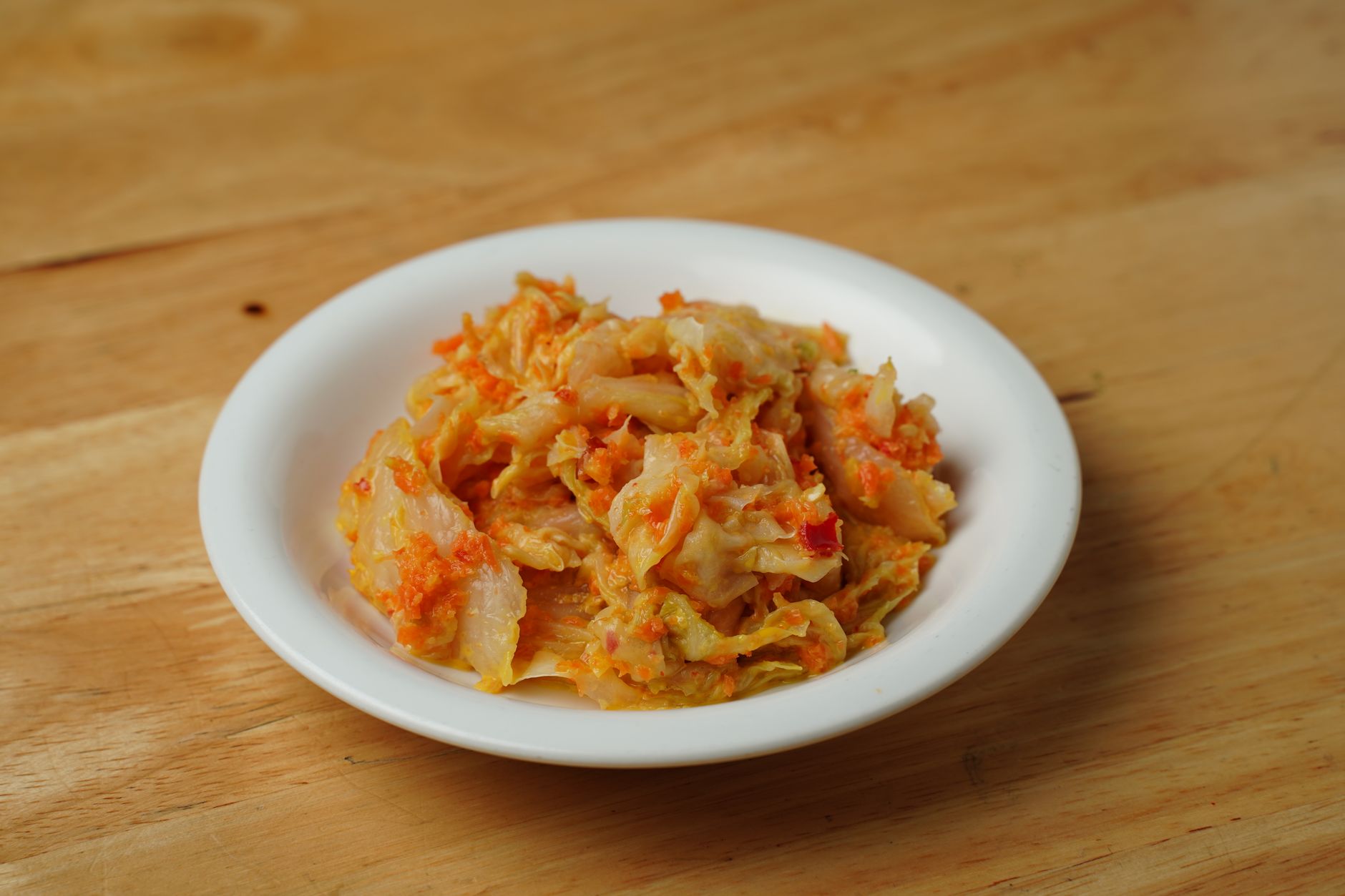
Napa cabbage is a unique variety of cabbage that stands out not just in taste but also in appearance. This elongated leafy vegetable has a crisp and tender texture, making it a popular choice in many culinary dishes. Understanding what Napa cabbage looks like can help you select the right one for your cooking needs.
In this article, we will explore the visual characteristics of Napa cabbage, its culinary uses, and key facts that every food enthusiast should know. Whether you are preparing a stir-fry, making a salad, or enhancing your meal with some flavorful vegetables, this guide will provide you with practical information.
What Does Napa Cabbage Look Like?
Napa cabbage has a distinct appearance that can easily set it apart from other types of cabbage. It features an elongated, oblong shape with tightly packed, crinkled leaves. The leaves are a vibrant light green to pale yellow in color, with white ribs running through them. This ribbing is more pronounced than in regular cabbage, giving Napa cabbage its signature texture. Its overall height can reach about 12 to 18 inches, with each head weighing anywhere from two to four pounds.
Visual Characteristics of Napa Cabbage
To fully appreciate Napa cabbage, it helps to describe its main visual features further:
- Shape: Napa cabbage is cylindrical with a length that can range from 10 to 18 inches and a diameter of around 6 to 8 inches.
- Leaf Color: The outer leaves are a vibrant light green, transitioning to a pale yellow towards the inner leaves. The color can vary slightly based on the freshness and growing conditions.
- Leaf Texture: Leaves are generally smooth but crinkled, creating a unique texture that is both tender and crunchy.
- Ribs: The prominent white ribs can be quite thick, providing structure and a satisfying crunch.
- Aromatic Qualities: Fresh Napa cabbage has a mild, slightly sweet smell that adds to its appeal as a cooking ingredient.
Culinary Uses of Napa Cabbage
Napa cabbage is incredibly versatile and is a staple in many Asian cuisines. Its mild flavor and crunchy texture allow it to be used in various dishes:
- Stir-Fries: Napa cabbage is commonly used in stir-fries, where its crisp leaves retain their texture even after cooking. It pairs well with proteins like chicken, beef, or tofu.
- Soups: The cabbage is a popular addition to soups and broths, where it adds both texture and nutrients.
- Salads: Raw Napa cabbage can be shredded and tossed into salads, providing a refreshing crunch.
- Kimchi: This fermented dish is perhaps one of the most famous uses for Napa cabbage, especially within Korean cuisine.
- Wraps: The leaves can be used as a healthier alternative to tortillas, making them great for wraps and rolls.
Nutritional Benefits of Napa Cabbage
Napa cabbage is not only delicious but also nutritious. It is low in calories and high in vitamins and minerals, making it a great addition to various diets. Here are some key nutritional benefits:
- Vitamins: Napa cabbage is rich in Vitamin C, important for immune function and skin health, and Vitamin K, which plays a role in bone health.
- Low in Calories: With only about 12 calories per cup, it is an excellent option for those looking to manage their weight.
- Dietary Fiber: The fiber content helps with digestion and promotes a feeling of fullness, which can aid in weight control.
- Antioxidants: Napa cabbage contains antioxidants that help reduce inflammation and combat oxidative stress in the body.
Storage and Handling of Napa Cabbage
Proper storage is essential to maintain the freshness and crunch of Napa cabbage. Here are some guidelines for handling and storing this vegetable:
- Refrigeration: Store Napa cabbage in the crisper drawer of the refrigerator. It is best kept in a perforated plastic bag to allow airflow.
- Use Fresh: For optimal flavor and texture, consume Napa cabbage within a week of purchase.
- Avoid Damage: Handle the cabbage carefully to prevent bruising, which can lead to spoilage.
How to Prepare Napa Cabbage
Preparing Napa cabbage is relatively simple and can be done using various techniques based on your intended recipe. Here are some common preparation methods:
Washing and Cutting Napa Cabbage
- Remove any damaged or wilted outer leaves.
- Rinse the cabbage thoroughly under cold water to remove any dirt or grit.
- Cut the cabbage in half lengthwise, then slice it into desired widths for use in your recipe.
- For dishes where you want whole leaves, gently separate the leaves and use as needed.
Cooking Napa Cabbage
Napa cabbage can be used in many cooked dishes. Here’s how to cook it:
- Stir-Frying: For stir-fries, heat oil in a wok or large skillet over medium-high heat. Add Napa cabbage and stir-fry for 2-3 minutes until just tender yet still crunchy.
- Boiling: Boil in salted water for about 2 minutes until tender but still crunchy. Drain and rinse under cold water to retain color.
- Steaming: Steam for about 5 minutes until the leaves are tender. This preserves more nutrients and enhances flavor.
Common Mistakes When Cooking Napa Cabbage
While cooking with Napa cabbage can be straightforward, there are several common mistakes to avoid:
- Overcooking: Cooking cabbage too long will make it mushy, losing its desirable crunch and flavor.
- Skipping Cleaning: Not rinsing the cabbage properly can lead to a gritty texture. Always wash under cold water.
- Ignoring the Ribs: The thick ribs take longer to cook than the leaves. Either cut them thinner or ensure they get more cooking time for better texture.
Flavor Pairings with Napa Cabbage
Napa cabbage has a mild flavor that allows it to pair well with a variety of ingredients. Here are some common pairings:
- Proteins: Chicken, beef, shrimp, and tofu.
- Flavorings: Garlic, ginger, soy sauce, sesame oil, and vinegar.
- Vegetables: Carrots, bell peppers, scallions, and mushrooms.
Substitutions for Napa Cabbage
If you can’t find Napa cabbage, several alternatives can work in recipes with varying flavors and textures:
- Green Cabbage: A common substitute though it is firmer and has a stronger flavor. Use slightly less than the amount called for in recipes.
- Savoy Cabbage: Similar in texture and flavor, Savoy cabbage is another excellent substitute, maintaining the dish’s integrity.
- Bok Choy: This leafy green has a similar texture but a more pronounced flavor, making it a suitable alternative in stir-fries.
Conclusion
Napa cabbage is a visually striking and versatile vegetable that enhances a variety of dishes with its crunchy texture and mild flavor. Whether you’re sautéing, boiling, or using it raw in salads, understanding its characteristics will help you incorporate it into your meals effectively. By following the tips outlined here, you can make the most of this culinary gem.
For more ways to use Napa cabbage, check out our Napa cabbage recipe or explore our sautéed cabbage recipe for delicious inspirations.