
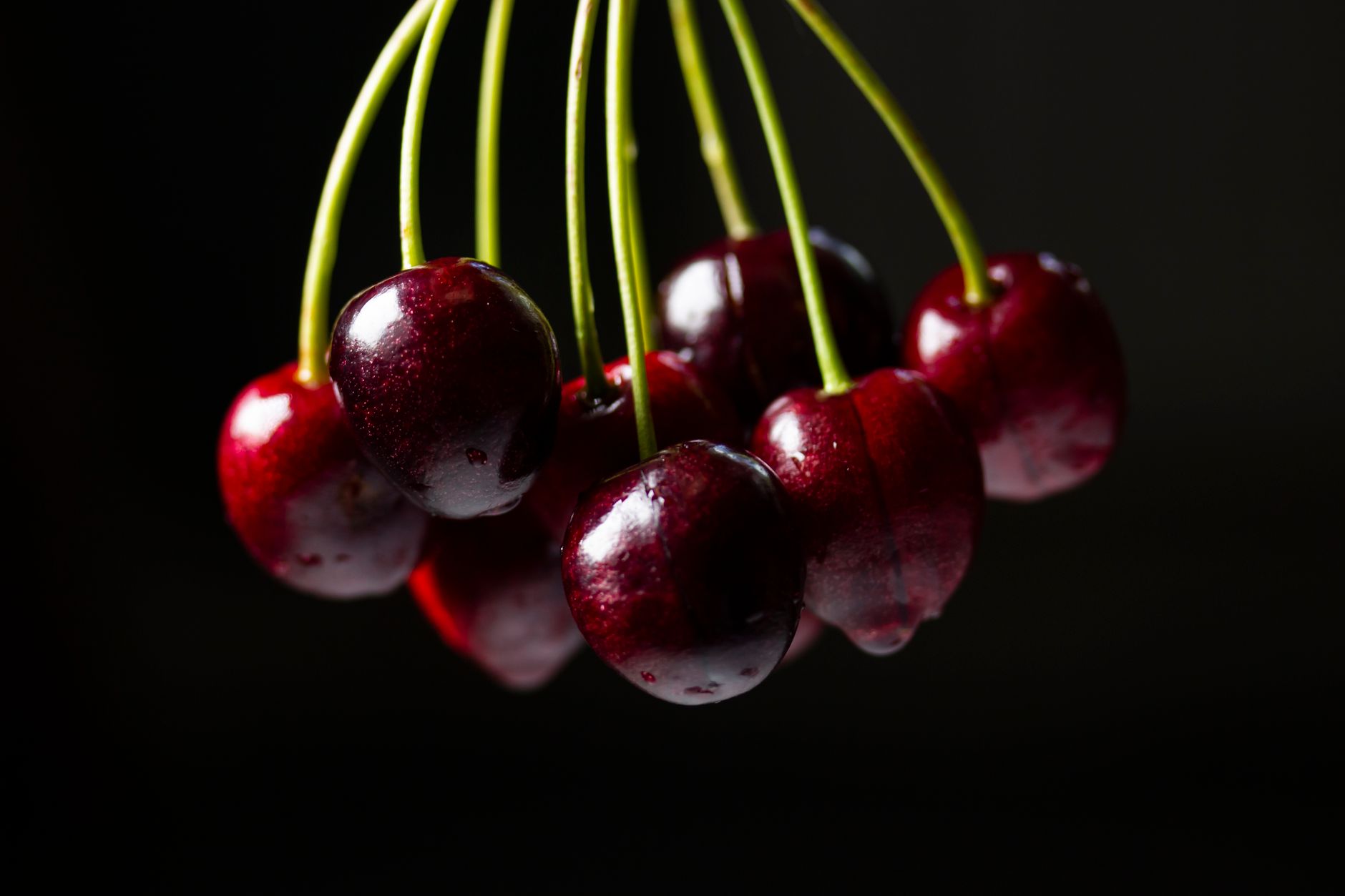
Cherries are not only delicious but also versatile, making them popular in various culinary creations—from desserts to savory dishes. However, a lingering question for many cherry lovers is whether these juicy fruits harbor worms or any unwanted pests. In this article, we explore the concerns surrounding worms in cherries, the science behind it, kitchen uses, and preservation methods.
To begin with, the notion that cherries may contain worms predominantly stems from the perception of how fruit is grown and harvested. Understanding the realities of agricultural practices, pest control, and handling can help ease your mind regarding this issue. Let’s delve into whether cherries really have worms, how to prepare them for consumption, and creative ways to use this flavorful fruit in your kitchen.
Do Cherries Have Worms in Them?
Yes, cherries can sometimes contain worms, but the likelihood is relatively low in commercially bought fruits. The primary pest affecting cherries is the cherry fruit fly, which lays its eggs inside the fruit. Once the eggs hatch, larvae can develop within the flesh of the cherry. However, with proper washing and peeling, most home cooks should be able to avoid them.
Organic cherries have a higher chance of containing these pests due to the lack of pesticide use. Nonetheless, commercially grown cherries are subject to strict agricultural standards and inspections, significantly reducing the risk of infestation. It is essential to wash cherries thoroughly and inspect them before consumption to minimize any concern.
Identifying Worms in Cherries
Although it’s uncommon, detecting worms in cherries does happen. Here are some characteristics to look out for:
- Small Holes: Look for tiny entry holes signaling where pests may have entered the fruit.
- Softened Flesh: A mushy or abnormal texture could indicate internal damage.
- Larvae Presence: In worst-case scenarios, you may find small worms or larvae inside.
If you see any of these signs, it’s advisable to discard the fruit. However, the presence of these pests doesn’t mean all cherries are compromised—proper sorting and inspection can help you identify safe cherries.
Prepping Cherries for Consumption
To ensure that your cherries are ready for consumption, follow these simple preparation steps:
- Wash Thoroughly: Rinse cherries under cold running water while gently rubbing the skins to remove any contaminants.
- Inspect: Check each fruit carefully for any signs of holes or soft spots, discarding any suspicious ones.
- Remove Stems and Leaves: Discard any remaining stems and leaves before eating or processing.
- Dry: Pat the washed cherries dry with a clean towel or paper towel before using them in your recipes.
Using Cherries in the Kitchen
Cherries can enhance a variety of dishes. Their flavor can vary from sweet to tart, making them adaptable to numerous culinary uses. Here are some popular ways to enjoy cherries in your meals:
Fresh Consumption
One of the simplest ways to enjoy cherries is by eating them fresh out of hand. Their juicy sweetness makes them a perfect snack or a refreshing addition to salads. When combining them with greens, consider pairing them with goat cheese and nuts for a delightful contrast.
Baking
Cherries shine in baked goods like pies, tarts, and crumbles. Their natural sweetness allows them to complement rich pastries well. Here’s a basic cherry pie recipe for inspiration:
- Ingredients:
- 4 cups pitted cherries
- 1 cup granulated sugar
- 2 tablespoons cornstarch
- 1 tablespoon lemon juice
- 1 teaspoon vanilla extract
- Pie crust (for top and bottom)
- 1 egg (for egg wash)
- Combine cherries, sugar, cornstarch, lemon juice, and vanilla extract in a bowl.
- Line a pie dish with the bottom crust and fill with the cherry mixture.
- Cover with the top crust, sealing the edges, and cut slits in the top for steam to escape.
- Brush the crust with the egg wash and bake in a preheated oven at 425°F (220°C) for 30-35 minutes until golden brown.
Making Preserves and Jams
Cherries are fantastic when turned into preserves or jams. This method allows you to enjoy their flavors year-round. The preserve process typically involves cooking cherries with sugar and pectin until they reach a gel-like consistency. Once sealed in jars properly, you can enjoy them on toast, with cheese, or as toppings for desserts.
Drinks and Cocktails
Cherries can also elevate your beverages. A classic cherry bounce—an infusion of cherries in alcohol—offers a sweet and fruity addition to cocktails. Here’s how to make it:
- Ingredients:
- 2 cups pitted cherries
- 1 cup sugar
- 2 cups bourbon or any preferred liquor
- In a jar, combine the cherries and sugar, letting them sit until the sugar dissolves and the cherries release some juices.
- Add the liquor, seal the jar, and shake gently.
- Let it sit in a cool, dark place for at least a month, shaking occasionally.
- After a month, strain the mixture and enjoy your cherry bounce in cocktails or over ice.
Storage and Preservation of Cherries
Proper storage can extend the life of cherries, keeping them fresh and delicious longer. Here are some best practices for cherry storage:
Refrigeration
If you’re not using cherries immediately, refrigerate them in a breathable container, like a produce bag. They typically last about 4-7 days in the refrigerator. Do not wash them until you are ready to eat or use them, as moisture can speed up spoilage.
Freezing Cherries
For long-term storage, freezing cherries is an efficient option. Follow these steps:
- Wash, dry, and pit the cherries.
- Spread them out in a single layer on a baking sheet and freeze for a couple of hours.
- After freezing, transfer them to freezer bags, making sure to remove excess air.
Jarring and Canning
If you’re looking to preserve cherries for a long time, canning or jarring can be an excellent choice. Ensure you follow safe canning guidelines to seal your jars properly and maintain food safety.
Common Cherry Varieties & Their Uses
There are several cherry varieties, each with its unique flavors and ideal uses. Familiarizing yourself with these options can help you choose the perfect cherries for your dishes:
| Variety | Description | Best For |
|---|---|---|
| Sweet Cherries | Large, plump, and sweet with a deep red color. | Eating fresh, salads, desserts. |
| Sour Cherries | Smaller, tart, often red or yellow in color. | Pies, jams, sauces. |
| Rainier Cherries | Golden-yellow with a pink blush, exceptionally sweet. | Fresh eating, salads. |
| Black Cherries | Dark and rich with a complex flavor. | Jams, drinks, syrups. |
Common Mistakes When Using Cherries
Here are some pitfalls to avoid when working with cherries:
- Skipping the wash: Always rinse cherries thoroughly to remove pesticide residues and contaminants.
- Neglecting inspection: Regularly check for signs of spoilage or worm infestation.
- Improper storage: Whether refrigerating or freezing, follow best practices to maintain freshness.
- Overcrowding when freezing: Freeze cherries in a single layer first for better preservation quality.
Final Thoughts
Cherries are a delightful fruit that can enhance various dishes during their peak season. Though concerns about worms exist, proper washing and examination can help you avoid pests. Whether enjoyed fresh, baked, or preserved, cherries offer delicious flavors and nutrition. Utilize these methods to explore the versatility of cherries in your kitchen and enjoy the bounty of this succulent fruit.
To experiment with cherries further, consider making a cherry compote or a delightful cherry bounce. Both recipes allow you to savor the cherry flavors creatively, reserving the best for future culinary adventures.