
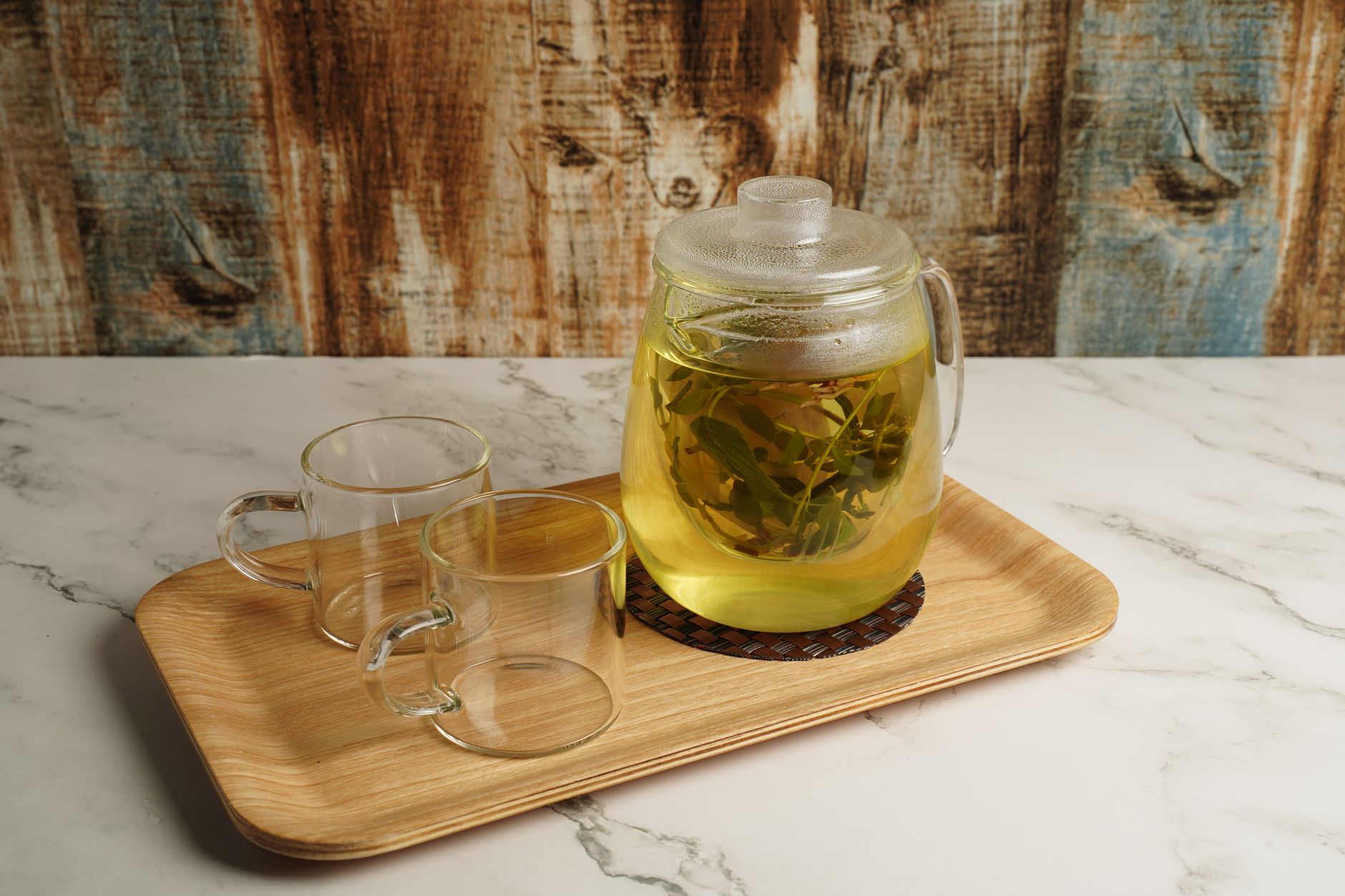
Tea is a beloved beverage enjoyed worldwide, known for its diverse flavors, aromas, and potential health benefits. With a variety of leaves and herbs used in its preparation, tea offers something for every palate, whether someone prefers the robust qualities of black tea or the delicate notes of green tea.
This article delves into what tea truly is, covering its key ingredients, flavor profiles, and how to serve it properly. We’ll explore the types of tea, their origins, and practical tips to enjoy this timeless drink.
What Is a Tea?
Tea refers to an aromatic beverage made by infusing the dried leaves of the Camellia sinensis plant in hot water. Depending on how the leaves are processed and brewed, tea can exhibit a wide range of flavors, colors, and aromas. The primary types of tea include black, green, oolong, white, and herbal teas. Each type has its own unique characteristics and brewing methods.
Ingredients Used in Tea
The key ingredient in traditional tea is the leaves of the Camellia sinensis plant. However, various other ingredients can complement or enhance the flavor, including herbs, spices, fruits, and flowers. Here’s a breakdown of the main ingredients.
1. Camellia Sinensis Leaves
- Black Tea: Fully oxidized, black tea has a robust flavor and higher caffeine content. Popular varieties include Assam, Darjeeling, and Ceylon.
- Green Tea: Not oxidized, green tea retains its fresh, grassy flavor. Notable examples include Sencha, Gyokuro, and Matcha.
- Oolong Tea: Partially oxidized, oolong tea spans flavors between black and green. Variants include Tie Guan Yin and Da Hong Pao.
- White Tea: Made from young leaves and buds, white tea is the least processed and has a light, delicate flavor. Silver Needle and White Peony are well-known types.
2. Herbal Ingredients
Herbal teas, or tisanes, are brewed from a variety of plants other than Camellia sinensis. These often include:
- Herbs: Mint, chamomile, and ginger are popular choices, known for their distinctive flavors and potential health benefits.
- Fruits: Dry fruits like hibiscus, rose hips, and berries add sweetness and vibrant color to herbal teas.
- Flowers: Ingredients like lavender and jasmine infuse subtle floral notes.
- Spices: Ingredients like cinnamon, pepper, and cardamom can give an aromatic quality to both traditional and herbal teas.
Flavor Profiles of Tea
The flavor of tea can vary widely based on the type of leaves used, the region they are grown in, and the brewing process. Understanding these flavor profiles can help you select the tea that best suits your taste preferences.
1. Black Tea
Black tea typically has a strong, malty flavor and can often have notes of chocolate, caramel, or even fruity undertones, depending on the variety and origin.
2. Green Tea
Green tea flavors are often described as fresh and grassy, with some varieties being sweet or nutty. It can also have a slight astringency depending on the brewing time.
3. Oolong Tea
The flavor range of oolong tea is vast, often described as floral, fruity, or toasty, depending on its level of oxidation and specific processing methods.
4. White Tea
White tea is known for its light, subtle sweetness, and often has a slightly floral or fruity quality. The flavor is delicate and can sometimes resemble green tea.
5. Herbal Tea
Flavor profiles in herbal teas vary dramatically, from the minty freshness of peppermint to the warm sweetness of chamomile or the spiciness of chai. These flavors depend heavily on the herbs, fruits, and spices used in the tea blend.
How to Serve Tea
Serving tea is an art form that enhances the overall experience. The following sections detail how to properly serve different types of tea, including considerations for temperature and presentation.
1. Brewing Methods
Each type of tea may require a specific brewing method to bring out its best flavors. Here are key considerations for brewing:
Black Tea
- Bring water to a rolling boil at around 200°F (93°C).
- Use one teaspoon of loose tea leaves or one tea bag per cup.
- Steep for 3-5 minutes depending on your taste preference. Longer steeping can produce bitterness.
Green Tea
- Heat water to 160-180°F (71-82°C). Avoid boiling water to prevent bitterness.
- Use one teaspoon of loose leaves per cup.
- Steep for 2-3 minutes to extract the flavor.
Oolong Tea
- Use water heated to about 190°F (88°C).
- Use one teaspoon of loose leaves for each cup.
- Allow the tea to steep for 3-5 minutes, and consider multiple infusions to explore the flavor.
White Tea
- Heat water to around 160-185°F (71-85°C).
- Use about two teaspoons of leaves per cup.
- Steep for 4-5 minutes for the best flavor.
Herbal Tea
- Bring water to a boil (around 200°F or 93°C).
- Add one tablespoon of loose herbs or one tea bag per 8-ounce cup.
- Steep for 5-10 minutes, adjusting the time to your desired strength.
2. Tea Presentation
Presentation can elevate the tea-drinking experience. Use fine china or glass teapots for a classic touch. Consider serving the tea with small accompaniments, such as:
- Fresh lemon slices
- Honey or sugar for sweetening
- Milk or cream, particularly for black tea
- Small pastries or cookies to complement the flavors
Common Mistakes When Brewing Tea
Even seasoned tea enthusiasts can sometimes make errors that affect the flavor and quality of their brew. Here are some common mistakes and how to avoid them.
1. Using Water That Is Too Hot
Utilizing water that is too hot can scorch delicate teas, especially green and white teas, leading to bitterness. Always check the recommended water temperature for each type of tea.
2. Steeping for Too Long
Over-steeping tea can make it overly strong and bitter. Pay close attention to recommended steeping times and use a timer for accuracy.
3. Using Poor Quality Ingredients
Using low-quality tea leaves or stale ingredients significantly impacts flavor. Invest in high-quality teas and ensure they are stored in a cool, dry place to maintain freshness.
4. Not Measuring Ingredients
Eyeballing the amount of tea leaves or water can lead to inconsistent flavor. Use a teaspoon for loose leaves or follow package directions for bags to ensure balanced preparation.
Variations of Tea: Exploring Flavor and Ingredients
Experimenting with different tea varieties, blends, and ingredients can lead to delightful experiences. Here are some creative ideas to enhance your tea adventure:
1. Flavored Teas
Adding spices, fruits, or essential oils can create unique tea blends. Popular flavored teas include:
- Chai Tea: A spiced tea typically made with black tea, milk, and various spices like cinnamon, ginger, and cardamom.
- Lemon Ginger Tea: Green or herbal tea fused with fresh lemon juice and ginger for a zesty flavor.
2. Iced Tea
Iced tea is a refreshing way to enjoy tea, especially in warm weather. Brew concentrated tea and serve over ice with additional flavorings such as:
- Fresh fruits like berries or citrus
- Sweet syrups or honey
- Fresh mint leaves for a hint of freshness
3. Tea Cocktails
Tea can be an intriguing base for cocktails. Some ideas include:
- Tea Mojito: A twist on the classic mojito, using green tea, mint, lime, and a splash of rum.
- Iced Tea Sangria: Combining iced tea, a selection of fruits, and your choice of wine.
Storage and Shelf Life of Tea
Proper storage of tea is essential to maintain its flavor and aroma. Here are recommendations for keeping your tea fresh:
1. Store in an Airtight Container
Tea should be stored in an airtight, opaque container to protect it from moisture, light, and air exposure.
2. Keep Away from Strong Odors
Tea is sensitive to strong smells, so store it away from spices, herbs, and other aromatic foods.
3. Recommended Shelf Life
While the shelf life can vary based on the type of tea, a general guideline includes:
- Black Tea: 2-3 years
- Green Tea: 1-2 years
- Oolong Tea: 2-3 years
- White Tea: 2-3 years
- Herbal Tea: 1-2 years
Health Considerations and Caffeine Content
Tea contains various compounds that may provide health benefits. However, it is important to be aware of caffeine levels and potential sensitivities.
1. Caffeine Levels
| Type of Tea | Caffeine Content (per 8 oz) |
|---|---|
| Black Tea | 40-70 mg |
| Green Tea | 20-45 mg |
| Oolong Tea | 30-50 mg |
| White Tea | 15-30 mg |
| Herbal Tea | 0 mg (most varieties) |
2. Potential Benefits
While no definitive health claims can be made, research suggests that tea may have benefits related to:
- Antioxidant properties
- Improved heart health
- Enhanced mental alertness
- Fluid intake for hydration
Tea Around the World: Culture and Tradition
Tea is more than just a drink; it’s a cultural symbol that varies around the globe. Understanding these traditions provides insight into the significance of tea.
1. Chinese Tea Ceremony
The traditional Chinese tea ceremony emphasizes a meditative experience. It involves multiple infusions, appreciating each flavor profile, and often includes an elaborate presentation.
2. Japanese Tea Ceremony
The Japanese tea ceremony, or Chanoyu, focuses on harmony, respect, purity, and tranquility. Matcha (powdered green tea) is typically used, prepared in a precise manner.
3. British Afternoon Tea
In Britain, afternoon tea is not just a meal but a social occasion. This tradition often features a selection of teas, finger sandwiches, scones, and pastries.
4. Chai in India
In India, chai refers to a spiced tea and is typically enjoyed throughout the day. Masala chai is made by brewing black tea with milk and a variety of spices, such as cardamom and ginger.
Conclusion
Understanding what tea is can elevate your tea-drinking experience, from selecting the right variety to mastering brewing techniques. With its rich history and cultural significance, tea offers a delightful journey for both new and seasoned enthusiasts. Whether you prefer a robust black tea, a subtle white tea, or an invigorating herbal blend, there is a world of flavors to explore.
Next time you prepare tea, consider trying a new variety or infusing it with additional flavors to enhance your experience. For further exploration, you might be interested in learning more about black tea, or discovering what spearmint tea can offer. Enjoy your tea journey!