
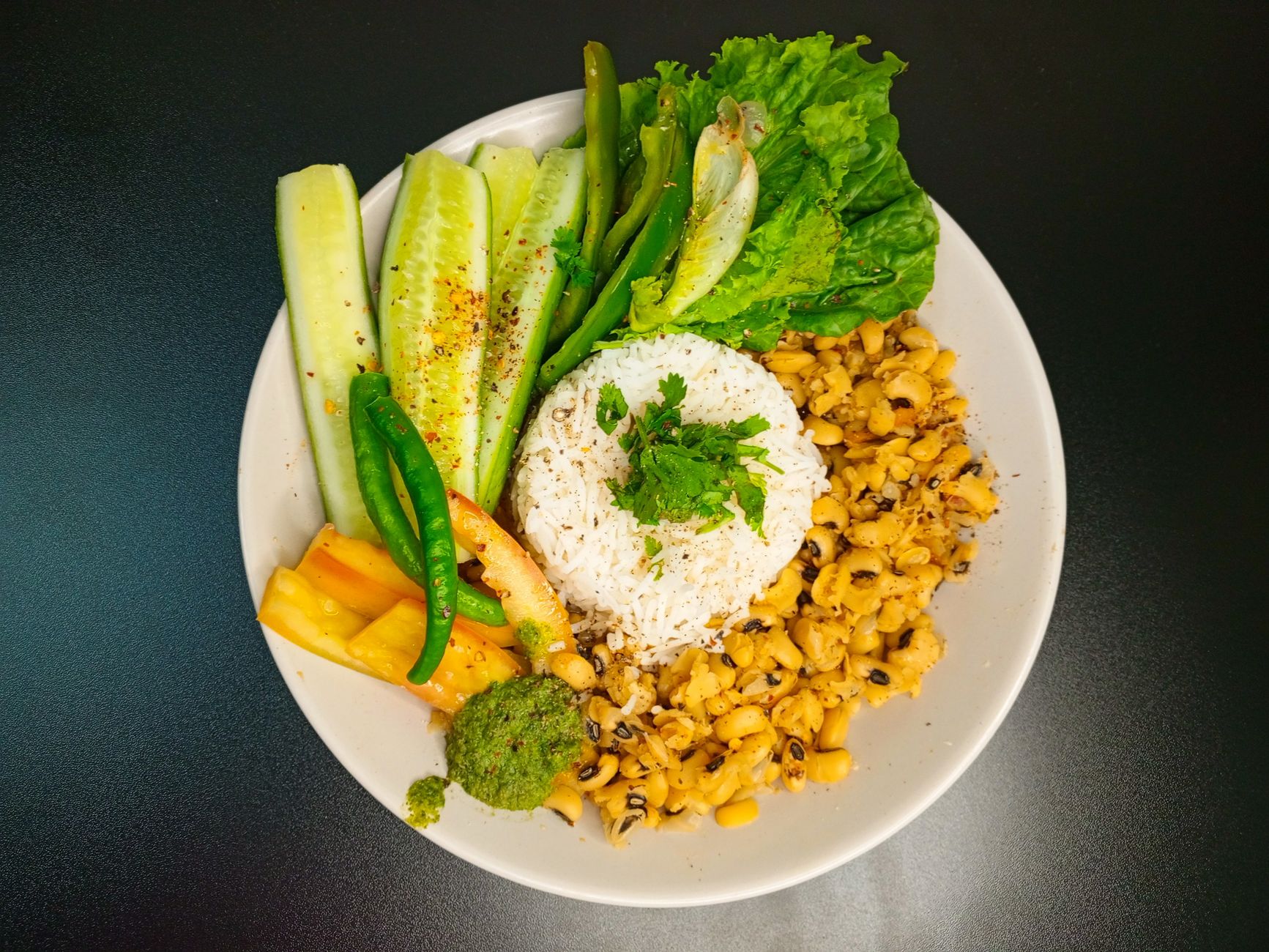
Black-eyed peas on New Year’s Day is a cherished tradition in many cultures, particularly in the Southern United States. These small legumes are more than just a delicious addition to the holiday meal; they symbolize prosperity, good luck, and abundance for the year to come. Understanding the reasons behind this custom can enhance your New Year’s experience.
This guide explores the cultural significance of black-eyed peas, offers cooking tips, and provides several delicious recipe ideas to make them a part of your New Year’s Day celebration.
Why Do You Eat Black Eyed Peas on New Year’s?
The custom of eating black-eyed peas on New Year’s originated from ancient traditions that associate these legumes with good fortune and prosperity. For many, including black-eyed peas in their New Year’s meals signifies hope for wealth and abundance in the coming year. The dish is often served alongside collard greens, cornbread, and pork, each food symbolizing different forms of wealth.
Historical Significance of Black-Eyed Peas
The tradition of consuming black-eyed peas dates back to the Civil War era when these beans were one of the few crops that could withstand harsh conditions. They were considered a staple food for survival and eventually became associated with prosperity and good fortune in many African American communities.
Over time, this practice spread throughout the Southern United States, solidifying its role in New Year’s Day celebrations. As a result, black-eyed peas have become synonymous with hope and fortune as families gather to enjoy a meal full of symbolism and history.
Culinary Uses and Flavor Profile of Black-Eyed Peas
Black-eyed peas have a creamy texture with a slightly earthy, mildly sweet flavor, making them versatile for various dishes. They’re commonly cooked in stews, soups, and salads or as a side dish. Nutritionally, they are a good source of protein, fiber, and essential vitamins, making them a healthy addition to your diet.
Essential Equipment for Cooking Black-Eyed Peas
Before diving into cooking with black-eyed peas, ensure you have the following kitchen tools:
- Large pot or Dutch oven for boiling or simmering
- Colander for rinsing
- Cutting board and knife for chopping vegetables
- Cooking spoon for stirring
- Measuring cups and spoons
How to Prepare Black-Eyed Peas
Black-eyed peas are relatively easy to prepare, and whether you are using dried or canned peas, you can follow these steps:
Cooking Dried Black-Eyed Peas
- Rinse the Beans: Place the dried beans in a colander and rinse them under cold water to remove any dirt.
- Soak (Optional): For a quicker cooking time, soak the beans overnight in a large bowl of water. Otherwise, you can skip this step and cook them directly.
- Cook the Beans: In a large pot, add the rinsed, soaked, or unsoaked black-eyed peas and cover them with water. Bring to a boil, reduce to a simmer, and cook for about 30 to 45 minutes or until tender.
- Season: Add salt and any desired spices towards the end of the cooking time to enhance flavor.
Using Canned Black-Eyed Peas
- Rinse: Open the can and pour its contents into a colander. Rinse under cold water to remove excess sodium and canning liquid.
- Heat: Place the rinsed black-eyed peas in a pot over medium heat. You can add broth, water, or spices for flavor and heat until warmed through, usually about 5 to 10 minutes.
Delicious Recipes Featuring Black-Eyed Peas
Incorporating black-eyed peas into your New Year’s meal can be flavorful and exciting. Here are some popular recipes that can help you celebrate the tradition:
1. Southern Style Hoppin’ John
Hoppin’ John is a classic southern dish made from black-eyed peas, rice, and spices. This dish is often served with collard greens for added symbolism.
Ingredients:
- 1 cup dried black-eyed peas or 2 cans
- 1 cup long-grain rice
- 4 cups chicken or vegetable broth
- 1 large onion, diced
- 2 cloves garlic, minced
- 1 bell pepper, diced
- 1 teaspoon dried thyme
- Salt and pepper to taste
- 1 tablespoon olive oil
Instructions:
- Heat the olive oil in a large pot over medium heat.
- Add the diced onion, bell pepper, and garlic, and sauté until softened.
- Add the black-eyed peas, broth, thyme, salt, and pepper. Bring to a simmer.
- Add the rice and stir. Cover and cook for about 20 minutes or until the rice is tender.
- Serve hot, typically with collard greens on the side.
2. Black-Eyed Pea Salad
A refreshing salad that can serve as a nutritious side dish, packed with flavors and nutrients.
Ingredients:
- 1 can black-eyed peas, rinsed and drained
- 1 cup diced tomatoes
- 1 cup diced cucumber
- 1/2 cup diced red onion
- 1/4 cup chopped parsley
- 2 tablespoons olive oil
- Juice of 1 lemon
- Salt and pepper to taste
Instructions:
- In a large bowl, combine the black-eyed peas, tomatoes, cucumber, red onion, and parsley.
- In a separate bowl, whisk together the olive oil, lemon juice, salt, and pepper.
- Pour the dressing over the salad and toss to combine.
- Serve chilled or at room temperature.
3. Spicy Black-Eyed Pea Soup
This soup is perfect for warming up on a chilly New Year’s Day!
Ingredients:
- 1 cup dried black-eyed peas or 2 cans
- 4 cups vegetable broth
- 1 onion, diced
- 3 cloves garlic, minced
- 1 jalapeño, chopped (optional for heat)
- 2 cups diced tomatoes
- 1 teaspoon cumin
- 1 teaspoon paprika
- Salt and pepper to taste
Instructions:
- If using dried peas, rinse and cook them as previously described. For canned, rinse and drain.
- In a large pot, sauté the onion, garlic, and jalapeño until softened.
- Add the tomatoes, black-eyed peas, broth, cumin, paprika, salt, and pepper.
- Bring to a boil, then reduce heat and let simmer for about 30 minutes.
- Serve hot, garnished with cilantro or avocado, if desired.
Substitutions and Variations
Here are some helpful substitutions and variations you can consider when preparing black-eyed peas:
- Beans: You can substitute black-eyed peas with other legumes such as navy beans, pinto beans, or chickpeas, although they will alter the texture and flavor.
- Broths: Use vegetable broth to keep the dish plant-based or ham hocks for a smoky flavor if using meat.
- Spices: Customize the flavor with spices like cayenne pepper for heat or herbs like oregano and basil for a different aromatic profile.
Common Mistakes and Troubleshooting
Cooking black-eyed peas can be straightforward, but here are some common mistakes to avoid:
- Salt too early: Avoid adding salt during the initial cooking, as it can toughen the beans. Add salt towards the end of the cooking process instead.
- Overcooking or undercooking: Monitor the cooking time to prevent mushiness. Dried peas should be tender but not falling apart.
Storage and Reheating Guidance
To store leftover black-eyed peas or dishes incorporating them, follow these guidelines:
- Store in an airtight container in the refrigerator for up to 3 to 5 days.
- For longer storage, consider freezing in portioned containers for up to 3 months. Thaw overnight before reheating.
- Reheat on the stovetop over medium heat, adding a splash of water or broth to prevent drying out.
Conclusion
Eating black-eyed peas on New Year’s Day is steeped in rich tradition and cultural significance, making it a delightful way to ring in the new year. Incorporating black-eyed peas into your New Year celebrations not only adds flavor but also symbolizes good fortune and abundance. Enjoy experimenting with the various recipes and traditions linked to this special legume!
For more culinary inspiration, check out our Pasta and Peas Recipe and Refried Black Beans Recipe for delicious meal ideas!