
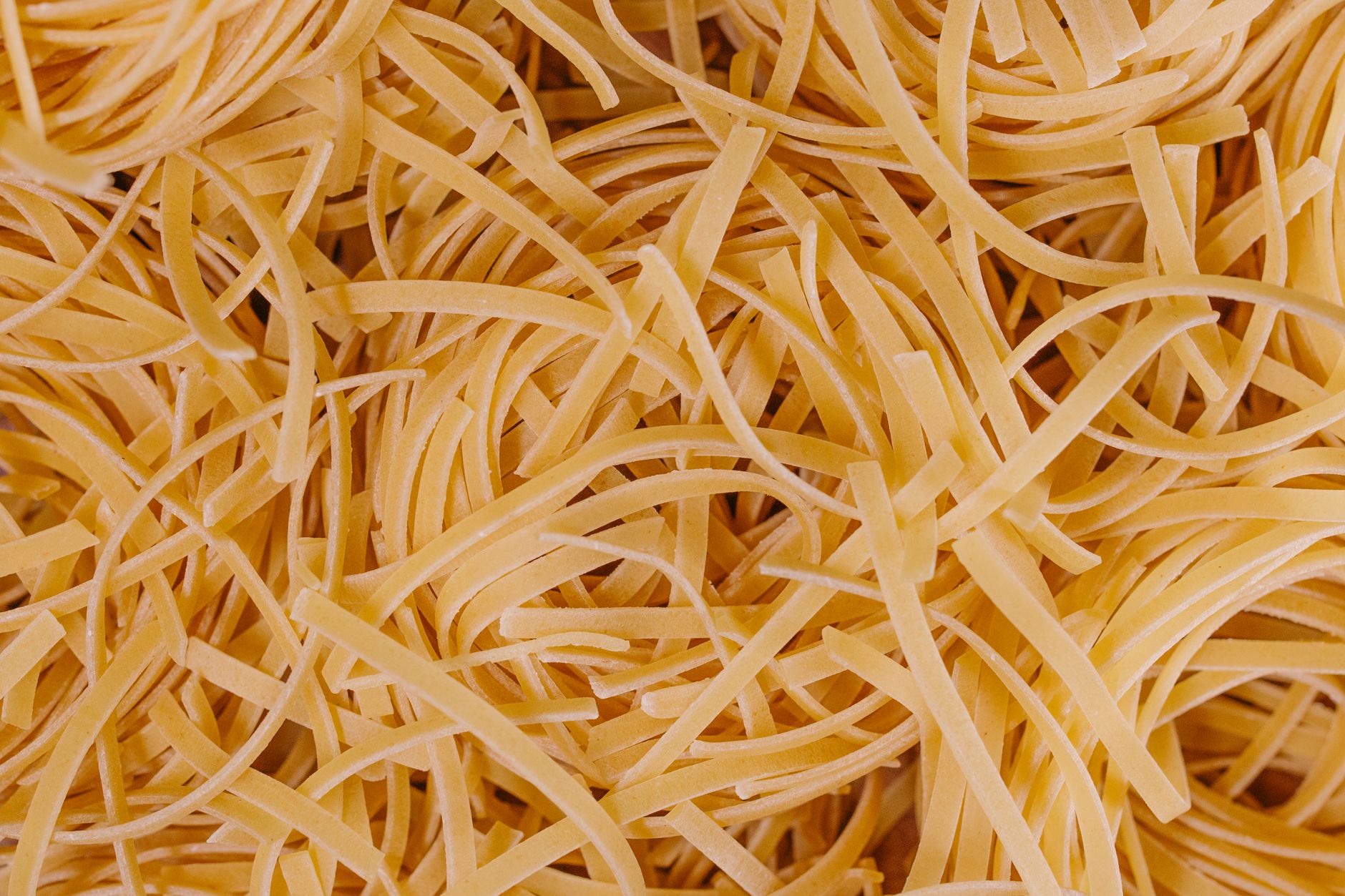
Pasta is a beloved staple in many cuisines, cherished for its versatility and ease of preparation. One critical aspect of pasta making is the drying process, particularly drying at a high temperature. This technique is essential for achieving the right texture, shelf life, and overall quality of the pasta.
In this article, we will explore the importance of high-temperature drying in pasta production, the science behind it, how it affects the final product, and tips for home cooks to implement similar techniques for homemade pasta. Whether you are looking to make fresh pasta or simply understand your store-bought options better, this guide is for you.
What Does It Mean When We Say, “The Pasta Is Then Dried at a High Temperature?”
The phrase “the pasta is then dried at a high temperature” refers to a specific step in the pasta-making process. This step involves subjecting the formed pasta to intense heat to reduce moisture content significantly.
High-temperature drying helps preserve the pasta, ensuring it maintains its shape and texture while extending its shelf life. By removing moisture, pasta becomes less prone to spoilage and enhances its cooking characteristics.
The Science Behind High-Temperature Drying
The drying process is crucial in determining the final quality of pasta. When pasta is extruded or shaped, it contains a certain amount of moisture. If this moisture is not adequately removed, pasta can become mushy when cooked. High-temperature drying reduces moisture content effectively while preserving structural integrity.
This process typically occurs at temperatures ranging from 60°C to 90°C (140°F to 194°F), depending on the type of pasta. During drying, physical and chemical changes occur within the pasta.
Impact on Texture
High-temperature drying improves the pasta’s texture, allowing it to cook evenly. Properly dried pasta retains a firm and chewy texture when cooked, which is often referred to as ‘al dente.’ This term describes the perfect doneness, where pasta is cooked but still offers slight resistance when bitten.
Flavor Development
Drying at elevated temperatures also influences the flavor profile of the pasta. Heat can enhance the Maillard reaction—a chemical reaction between amino acids and reducing sugars—that contributes to flavor development. This reaction intensifies the pasta’s taste, giving it a more complex flavor that enhances sauces and other pairings.
Shelf Life Considerations
By effectively removing moisture, high-temperature drying plays a vital role in extending pasta’s shelf life. Drier pasta is less susceptible to mold and spoilage, allowing it to sit on store shelves or in home pantries for prolonged periods without deteriorating. This makes it a convenient food option for meal planning and bulk cooking.
Pasta Types and Drying Techniques
Different pasta types may require varied drying practices, and some might even be dried faster or at lower temperatures. Here’s a breakdown of common pasta shapes and their drying methods.
Long Pasta
Long pasta types such as spaghetti, linguine, and fettuccine typically dry for longer periods at controlled temperatures. The goal is to ensure that they do not trap moisture within their shape. In commercial settings, air circulators are often used to maintain even drying throughout each strand.
Short Pasta
Short pasta varieties like penne, rigatoni, and macaroni usually have a shorter drying time. However, effective moisture removal is vital for these shapes, given their often thicker walls, which can retain moisture more easily.
Stuffed Pasta
Stuffed pasta, including ravioli and tortellini, require careful drying processes due to their encased filling. High-temperature drying must be applied cautiously to avoid overcooking the filling or compromising the pasta’s delicate structure.
What Happens When You DIY Your Pasta? Tips for Home Cooks
For aspiring pasta makers, understanding the drying process can help replicate restaurant-quality pasta at home. Here are some practical tips for high-temperature drying when making fresh pasta.
1. Shape and Size Matter
The thickness and shape of your pasta will dictate drying time. Thinner pasta shapes typically dry faster. If making thicker varieties or stuffed pasta, consider extending the drying time to ensure moisture thoroughly evaporates.
2. Use a Dehydrator or Oven
For home cooks, an oven can serve as an effective drying tool. Set your oven to the lowest temperature setting—around 60°C (140°F)—and spread the pasta in a single layer on a baking sheet. Leave the oven door slightly ajar to allow moisture to escape effectively.
3. Monitor Moisture Levels
Monitoring the drying process is crucial. Properly dried pasta should feel firm and slightly brittle to the touch. Avoid any soft spots that may indicate lingering moisture.
4. Timing is Key
Every batch will require different drying times based on the type and shape of pasta you create. Generally, aim for 1 to 4 hours of drying, depending on conditions and thickness.
Practical Applications of Dried Pasta
Dried pasta can be used in numerous dishes that range across various cuisines. Its versatility makes it a pantry staple. Here are some of the most popular applications:
Pasta Dishes
Dried pasta is commonly used in traditional Italian dishes like spaghetti with marinara sauce, fettuccine Alfredo, and baked ziti. Each dish may benefit from the texture and flavor of high-temperature dried pasta, allowing for better sauce adhesion and flavor absorption.
Meal Prep
For those engaged in meal prepping, high-temperature dried pasta can provide a key advantage. Its extensive shelf life means you can cook in bulk and use it in various dishes throughout the week without risking spoilage.
Casseroles and Bakes
Dried pasta is an excellent choice for casseroles or baked pasta dishes. It absorbs flavors from sauces and other ingredients during cooking, creating a cohesive and satisfying meal.
Cold Pasta Salads
High-quality dried pasta holds up well in cold pasta salads. Its firm texture ensures that it doesn’t become mushy when tossed with dressings and vegetables, making it a reliable option for summer picnics or potluck gatherings.
Common Mistakes and How to Avoid Them
Making pasta at home can be rewarding, but it’s also easy to make common mistakes. Here are some pitfalls to watch out for, along with tips to dodge them:
1. Not Drying Sufficiently
As discussed, the drying process is crucial. Rushing the drying step can lead to pasta that will spoil quickly or cook improperly. Ensure your pasta is fully dried before storage.
2. Ignoring Cooking Times
Overcooked dried pasta can become gummy and lose its ideal texture. Always refer to the recommended cooking times for the specific type of pasta you’re using and keep an eye on it to prevent overcooking.
3. Not Storing Properly
Improper storage can lead to stale or spoiled pasta. Ensure your dried pasta is stored in an airtight container, in a cool, dry place to maintain its quality over time.
Storage and Shelf Life
Proper storage is essential for maintaining the quality of dried pasta. Here’s how to store it effectively and how long you can expect it to last:
Storing Dried Pasta
- Use airtight containers: Glass jars or plastic bins are excellent for storing dried pasta to minimize exposure to air and moisture.
- Keep in a cool, dry place: A pantry or cabinet away from heat sources is ideal for maintaining the quality of dried pasta.
- Label and date: If you’ve made your own pasta, consider labeling it with the date to keep track of freshness.
Shelf Life of Dried Pasta
Generally, properly dried and stored pasta can last up to two years. However, always check for any signs of spoilage, such as off-smell or changes in texture, before cooking.
The Benefits of High-Temperature Dried Pasta
High-temperature drying is a preferred method for pasta making for several reasons:
- Consistency: Dried pasta has uniform moisture content, which results in even cooking.
- Convenience: It can be stored for long periods, making meal planning easier.
- Versatile Applications: Works well in a variety of dishes, from fresh sauces to baked casseroles.
- Flavor Integrity: Maintains taste and aroma, enhancing the overall dining experience.
Conclusion
The process of drying pasta at a high temperature is essential for producing high-quality pasta that retains its texture and flavor. By understanding the science of pasta drying, home cooks can recreate excellent results in their own kitchens.
Whether you opt for store-bought or homemade pasta, knowing the significance of the drying process will enhance your appreciation and usability of this staple food. If you’re up for the challenge, why not try making your own pasta with the techniques described? It’s a worthwhile endeavor that can lead to delicious, restaurant-quality meals at home.
Explore related topics and deep dive into recipes with our ingredient guide or try your hand at making orecchiette pasta for a fresh cooking experience.