
Imagine the buttery richness of foie gras melting in your mouth, a luxurious treat that instantly elevates any meal. This recipe showcases the delicate flavor and silky texture of foie gras, making it a memorable addition to your culinary repertoire.
With its elegant presentation and decadent taste, it’s perfect for special occasions or simply when you want to treat yourself. Plus, it pairs beautifully with sweet accompaniments and crisp bread, making each bite a delightful experience.
Why You’ll Love This Recipe
This foie gras recipe is truly special for a few reasons.
- Decadent flavor that impresses guests.
- Quick preparation time for an elegant dish.
- Versatile serving options for different occasions.
- Rich texture that complements various pairings.
My Experience Making This Recipe
When I first tackled this recipe, I was nervous but excited. The aroma of searing foie gras filled my kitchen, instantly transforming the space into a gourmet haven.
Friends gathered around the table, eyes wide with anticipation, and every bite was met with delighted murmurs. It was a memorable culinary moment that I will cherish and repeat.
Recipe Overview
- Recipe Name: Foie Gras
- Servings: 4
- Prep Time: 15 minutes
- Cook Time: 10 minutes
- Total Time: 25 minutes
- Course: Appetizer
- Cuisine: French
- Calories per Serving: 300
Equipment You Will Need
- Cast iron skillet or non-stick pan
- Sharp knife
- Wooden spatula
- Serving plates
Ingredients for Foie Gras
- Foie gras – 1 pound, sliced into 1/2-inch thick pieces
- Salt – to taste
- Pepper – to taste
- Olive oil – 2 tablespoons
- Fresh brioche – for serving
- Fruit preserves – for pairing (optional)
Ingredient Notes and Substitutions
- Foie gras: This rich liver is the star ingredient, providing a unique flavor. Substitute with duck liver pâté for a similar taste.
- Salt: Essential for enhancing flavors. Use sea salt for a gourmet touch.
- Pepper: Freshly cracked pepper adds depth. White pepper can be a milder alternative.
- Olive oil: Used for searing, it adds flavor. Butter can be used for a richer finish.
- Fresh brioche: Offers a soft texture that complements foie gras. Use crusty bread if preferred.
How to Make Foie Gras
Step 1: Prepare the Foie Gras
Carefully slice the foie gras into 1/2-inch thick pieces. This thickness ensures even cooking and enhances the melt-in-your-mouth experience.
Step 2: Season Generously
Sprinkle salt and pepper on both sides of the foie gras slices. This step enhances the natural flavors and balances the richness.
Step 3: Heat the Pan
Place your skillet over medium-high heat and add olive oil. A hot pan is crucial for achieving a perfect sear and developing a beautiful crust.
Step 4: Sear the Foie Gras
Once the oil is shimmering, add the foie gras slices to the pan. Sear for about 2-3 minutes on each side until golden brown.
Step 5: Monitor Cooking
Keep an eye on the foie gras as it cooks; it can overcook quickly. You’re aiming for a crispy exterior while keeping the inside tender.
Step 6: Drain Excess Fat
Remove the foie gras from the pan and let it rest on a paper towel. This helps absorb excess fat, ensuring a delightful texture.
Step 7: Prepare the Serving Plates
Arrange slices of fresh brioche on the serving plates. The bread acts as a perfect base for the rich foie gras and adds a comforting element.
Step 8: Serve and Enjoy
Top each slice of brioche with a piece of foie gras and a dollop of fruit preserves if desired. This pairing adds a lovely contrast to the richness of the liver.
Pro Tip: Don’t overcrowd the pan when searing, as this can lower the temperature and result in steaming rather than searing.
Tips for the Best Foie Gras
- Ensure your foie gras is chilled before slicing for easier handling.
- Use a hot pan to create a stunning sear; patience is key.
- Rest the foie gras after cooking to maintain a tender texture.
- Pair with sweet accompaniments like fig jam for a delightful contrast.
- For an elegant touch, garnish with microgreens or edible flowers.
Common Mistakes to Avoid
- Overcooking the foie gras can make it rubbery; aim for a tender finish.
- Not seasoning enough can lead to bland flavor; seasoning is essential.
- Using a cold pan will prevent proper searing; always preheat the pan.
- Overcrowding the pan can cause uneven cooking; work in batches if needed.
Serving Suggestions
Foie gras is exquisite and deserves the best pairings to highlight its richness.
- Pair with a sweet fig or cherry jam.
- Serve with toasted brioche or crusty bread.
- Accompany with a crisp salad for a refreshing contrast.
- Enjoy with a glass of sweet dessert wine for an indulgent treat.
Variations to Try
- Try a foie gras mousse for a lighter spreadable option.
- Add herbs like thyme or rosemary for an aromatic twist.
- Experiment with different fruits like pear or apple preserves for unique flavors.
- Try a foie gras torchon for a more traditional preparation method.
Dietary Adaptations
- Gluten-free: Serve with gluten-free bread or crackers.
- Dairy-free: This recipe is naturally dairy-free; enjoy as is.
- Vegetarian: Unfortunately, foie gras is not suitable for vegetarians.
- Low-carb/keto: Serve with low-carb bread alternatives or vegetables.
Storage and Reheating
Refrigerator
Store leftover foie gras in an airtight container in the refrigerator.
- Consume within 2-3 days for best quality.
- Cover with plastic wrap to prevent drying out.
Freezer
Foie gras can be frozen for longer storage.
- Wrap tightly in plastic wrap and place in a freezer-safe container.
- Use within 3 months for optimal flavor and texture.
Reheating
Reheat gently in a pan over low heat to avoid overcooking.
- Do not microwave, as it can ruin the texture.
- Serve immediately after reheating for the best experience.
Nutrition Information
| Nutrient | Amount |
|---|---|
| Calories | 300 |
| Total Fat | 25g |
| Saturated Fat | 10g |
| Carbohydrates | 8g |
| Fiber | 1g |
| Sugar | 2g |
| Protein | 15g |
| Sodium | 200mg |
| Cholesterol | 80mg |
This nutrition information is an estimate and can vary based on specific ingredients used.
Frequently Asked Questions
Can I substitute foie gras with another liver?
Yes, duck or chicken liver can work, though the flavor and texture will differ.
Can I make this recipe ahead of time?
While best served fresh, you can prepare and sear it ahead and reheat gently.
How do I store leftover foie gras?
Store in an airtight container in the fridge for up to 3 days or freeze for longer storage.
What if my foie gras is too tough?
This could be due to overcooking; ensure to sear it just until golden.
Can I use frozen foie gras?
Yes, but ensure it’s completely thawed before cooking for even results.
Final Thoughts
Making foie gras is an experience that brings a touch of luxury to your table. I encourage you to try this rich delicacy, as it’s sure to impress anyone fortunate enough to indulge.
For more delicious recipes, check out my take on Chateaubriand or learn why chicken liver is good for you. Enjoy your culinary adventures!
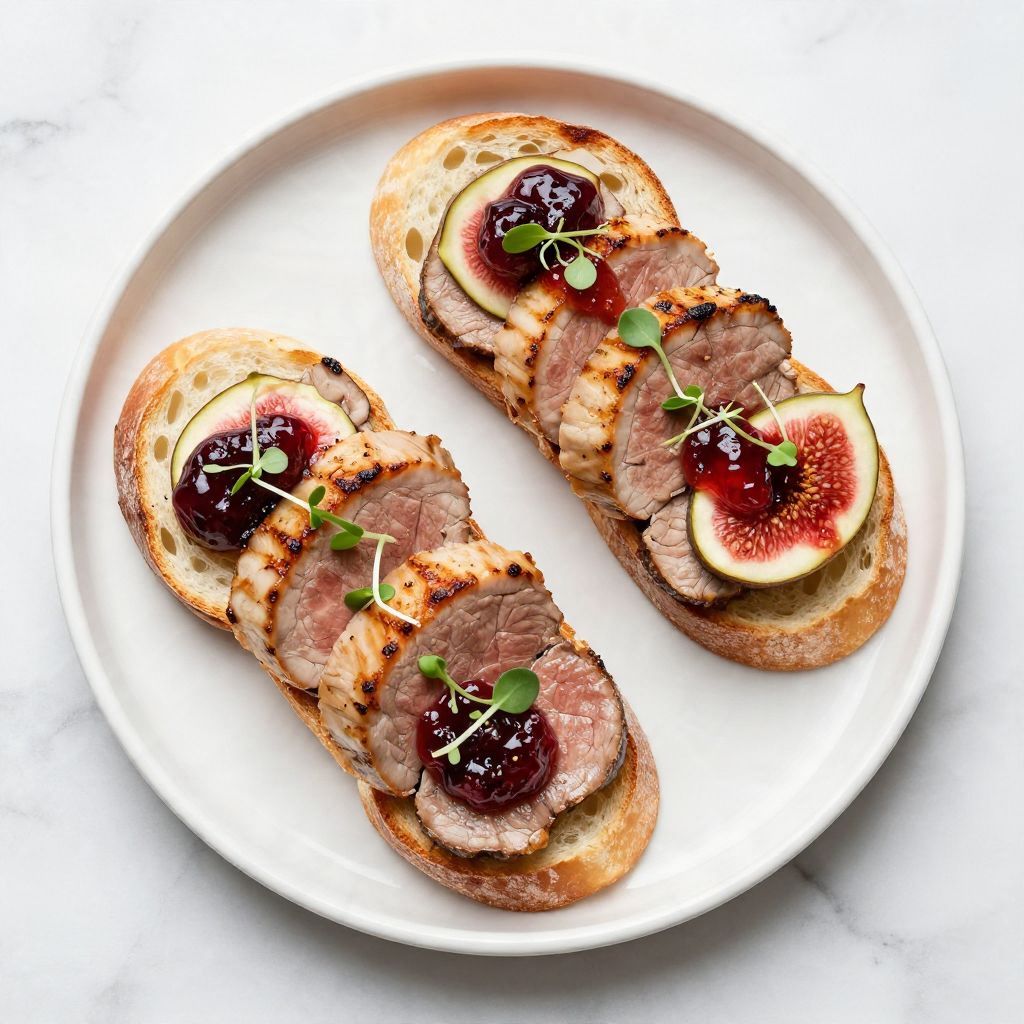
Foie Gras
Ingredients
Equipment
Method
- Carefully slice the foie gras into 1/2-inch thick pieces.
- Sprinkle salt and pepper on both sides of the foie gras slices.
- Place your skillet over medium-high heat and add olive oil.
- Once the oil is shimmering, add the foie gras slices to the pan.
- Sear for about 2-3 minutes on each side until golden brown.
- Keep an eye on the foie gras as it cooks to prevent overcooking.
- Remove the foie gras from the pan and let it rest on a paper towel.
- Arrange slices of fresh brioche on the serving plates.
- Top each slice of brioche with a piece of foie gras and a dollop of fruit preserves if desired.