
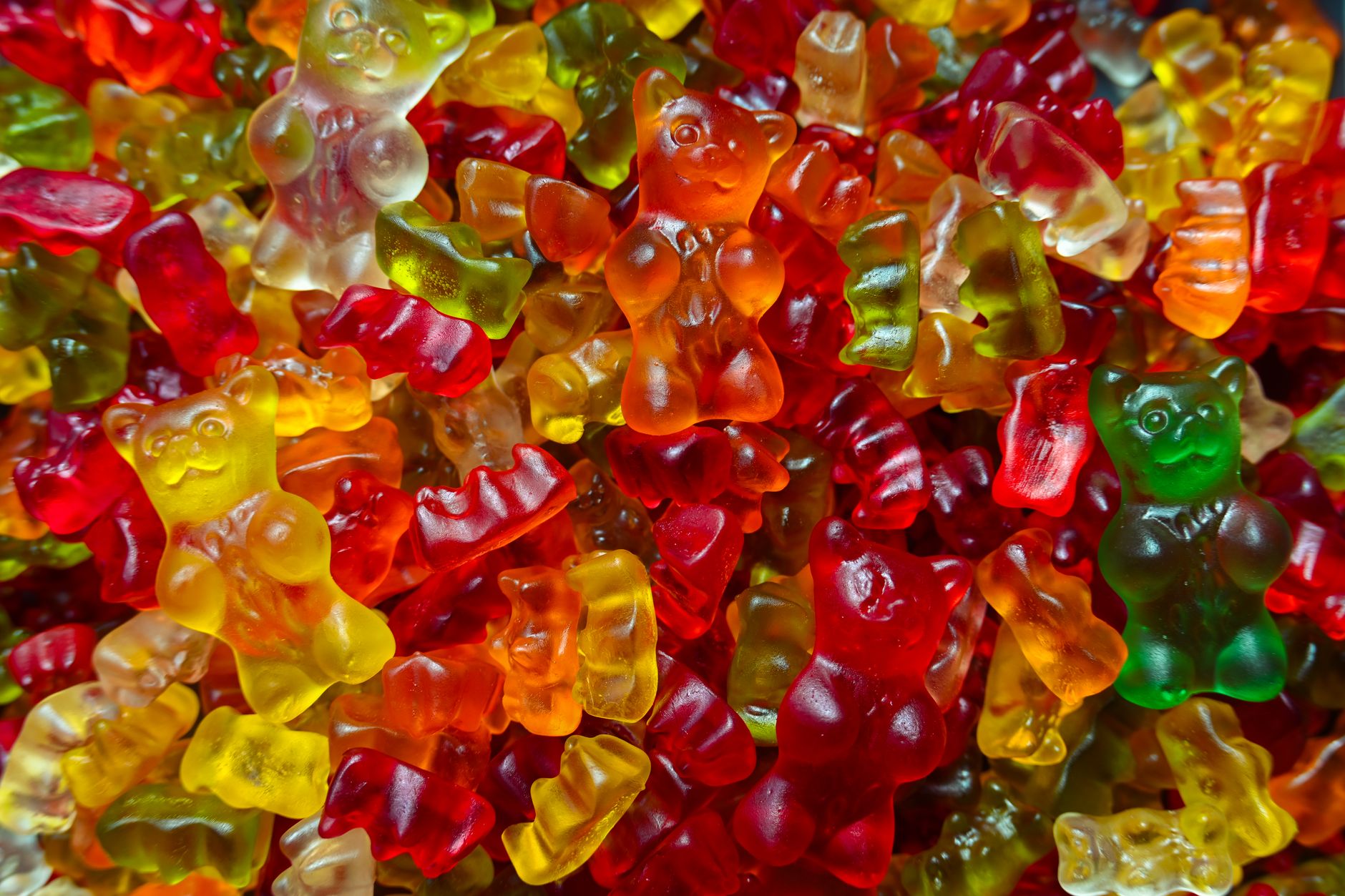
Haribo gummy candies are a popular treat enjoyed by many worldwide, known for their vibrant colors and unique flavors. However, if you follow a halal diet, you may wonder, “Is Haribo halal?” This article will explore the ingredients used in Haribo products, what halal certification means, and offer some alternatives for those seeking gummy sweets that comply with halal standards.
Understanding whether a product is halal involves scrutinizing its ingredients and how they are sourced and processed. We’ll dive into the specifics, helping you make informed choices about your favorite gummy snacks.
Is Haribo Halal?
No, most Haribo gummy candies are not halal. The main reason for this is the presence of gelatin, which is typically derived from pork or non-halal slaughtered animals. While Haribo has some products that may be suitable for vegetarians or those on a halal diet, it is crucial to assess each product’s specific ingredients and certifications for halal compliance.
Understanding Halal Certification
The term “halal” means permissible in Arabic and refers to what is allowed or lawful in Islam. Halal certification ensures that products meet specific criteria regarding how the ingredients are sourced and processed. This certification covers everything from the type of meat used to the machines that process the food, ensuring there is no cross-contamination with non-halal products.
For a product to be labeled as halal, it must have the proper certification from recognized authorities. This helps consumers identify which foods comply with their dietary restrictions. It’s important to look for halal symbols on packaging when purchasing products.
Ingredients in Haribo Gummy Candies
Haribo produces a wide range of gummy products, and the ingredients can vary by product line. However, the common ingredient that raises concerns for halal consumers is gelatin. Here are some standard ingredients found in Haribo gummy candies:
- Glucose syrup
- Sugar
- Gelatin
- Fruit juice concentrate
- Citric acid
- Flavorings and colorings
In most cases, gelatin used by Haribo is sourced from animal bones and skin, often from pigs. This makes traditional Haribo sweets unsuitable for those who follow a halal diet.
Haribo Products and Their Halal Status
Haribo offers a variety of products, some of which are halal depending on their region of production and the specific recipe used. Below are common Haribo products and general information on their halal status:
1. Haribo Goldbears
The classic gummy bears, Haribo Goldbears, typically contain gelatin sourced from pork. Therefore, they are not halal.
2. Haribo Happy Cola
Like Goldbears, Haribo Happy Cola also contains pork gelatin and is not halal.
3. Haribo Starmix
Similar to the other products, Starmix gummy candies also use animal gelatin, typically from pork, rendering them non-halal.
4. Haribo Fruit Salad
Haribo Fruit Salad gummies usually contain gelatin and, thus, are not suitable for halal diets.
5. Haribo Tangfastics
These sour gummy candies also contain gelatin from non-halal sources, making them non-halal.
6. Haribo Alternatives
In some regions, Haribo produces halal-certified products made with plant-based gelatin alternatives. Check the packaging for a halal certification mark to determine their status.
What to Look For When Selecting Halal Gummies
When shopping for gummy candies suitable for a halal diet, keep the following tips in mind:
- Always check the ingredients list for gelatin or other non-halal components.
- Look for halal certification symbols on the packaging.
- Research brands that specialize in halal products.
- Read online reviews from halal consumers to identify trusted brands.
By keeping these tips in mind, you can find treats that meet your dietary needs without sacrificing flavor and enjoyment.
Halal Alternatives to Haribo Products
If you enjoy gummy candies and want halal-compliant alternatives, there are several brands to consider. Here are some popular halal gummy candy brands:
1. Trolli
Trolli has a range of gummies that are halal-certified in certain regions. Their flavors and textures are similar to Haribo but check specific products for halal certification.
2. Albanese
Albanese gummy bears are well-known for their fruit flavors and soft consistency. Many varieties feature halal certification, making them an excellent choice for halal-conscious consumers.
3. YumEarth
YumEarth’s organic gummy candies are made without artificial colors or flavors and are also vegan and halal. They provide a healthier alternative for conscious consumers.
4. Surf Sweets
Surf Sweets offers organic gummy candies that are gluten-free, vegan, and halal. They come in a range of flavors, providing a delightful treat without animal products.
5. Simply Fruits
Simply Fruits offers a line of gummy candies made exclusively with fruit juice. They are naturally flavored and are often halal-certified, making them an excellent healthy alternative.
Homemade Gummy Candies: A Halal-Friendly Option
If you are looking for a fun and creative way to enjoy gummy candies while ensuring they meet halal standards, consider making your own at home using halal-certified ingredients. Below is a simple recipe for homemade gummy candies:
Ingredients
- 1 cup fruit juice (natural, no added sugar)
- 2 tablespoons honey or maple syrup (optional for sweetness)
- 2 tablespoons gelatin (ensure it is halal-certified)
- 1 tablespoon lemon juice (for tanginess)
Instructions
- In a small saucepan, combine fruit juice, lemon juice, and sweetener (if using) over low heat until warmed but not boiling.
- Slowly sprinkle the gelatin over the warm juice and stir continuously until fully dissolved.
- Once the mixture is smooth, pour it into silicone molds or a shallow dish if molds are unavailable.
- Place the molds in the refrigerator for at least 2 hours or until the gummies are firm.
- Once set, carefully remove the gummies from the molds and store them in an airtight container in the fridge.
Homemade gummy candies allow for customization in flavors and sweetness. Additionally, you can ensure all ingredients are halal, creating a fun treat for yourself or your family.
Common Questions About Haribo and Halal
What are the main reasons Haribo products are not considered halal?
The primary reason Haribo products are not considered halal is the use of gelatin, primarily derived from pork. Pork is forbidden in halal diets, leading to the exclusion of many popular Haribo gummies.
Are there specific Haribo products that are halal?
While most traditional Haribo candies contain pork gelatin, some products may be created with halal-certified gelatin. It’s essential to check the packaging for halal certifications or verify with the manufacturer.
Can I trust brands that advertise halal gummy bears?
It’s always wise to verify halal claims by checking the packaging. Ensure the product has a recognizable halal certification from an accredited organization to guarantee it meets dietary requirements.
Conclusion
While traditional Haribo gummy candies are typically not halal due to their use of pork gelatin, checking the packaging and looking for halal-certified options is always a good practice. With many brands offering halal alternatives and even homemade options available, adhering to dietary preferences while enjoying gummy treats is possible.
If you’re interested in exploring related recipes and cooking tips, check out our halal white sauce recipe or learn about candied grapes for a sweet snack alternative!