
The smell of a perfectly seared chateaubriand hitting a hot pan is the kind of kitchen moment that stops you in your tracks. This chateaubriand recipe transforms a premium cut of beef into restaurant-quality elegance without requiring culinary school credentials or hours of fussing.
Chateaubriand is a thick-cut tenderloin steak that sits between two smaller filet mignon steaks along the backbone. What makes it special is the sheer presence on the plate and the buttery tenderness that comes from this premium cut of beef. The beauty of this dish lies in its simplicity: excellent beef, proper technique, and restraint with seasonings lets the meat shine.
Why You’ll Love This Recipe
This recipe delivers restaurant-quality results at home with straightforward technique and minimal ingredients.
- Stunning presentation that impresses guests without complicated plating
- Tender, juicy interior with a flavorful crust from the sear
- Flexible cooking method works with your preferred doneness level
- Pairs beautifully with simple sides that let the beef take center stage
- Finished in about 30 minutes from start to serving
My Experience Making This Recipe
The first time I made chateaubriand, I was nervous about the price tag on that beautiful cut of meat. I quickly realized that the confidence comes from understanding the three core steps: getting the pan screaming hot, searing without moving the meat around, and finishing in the oven at the right temperature.
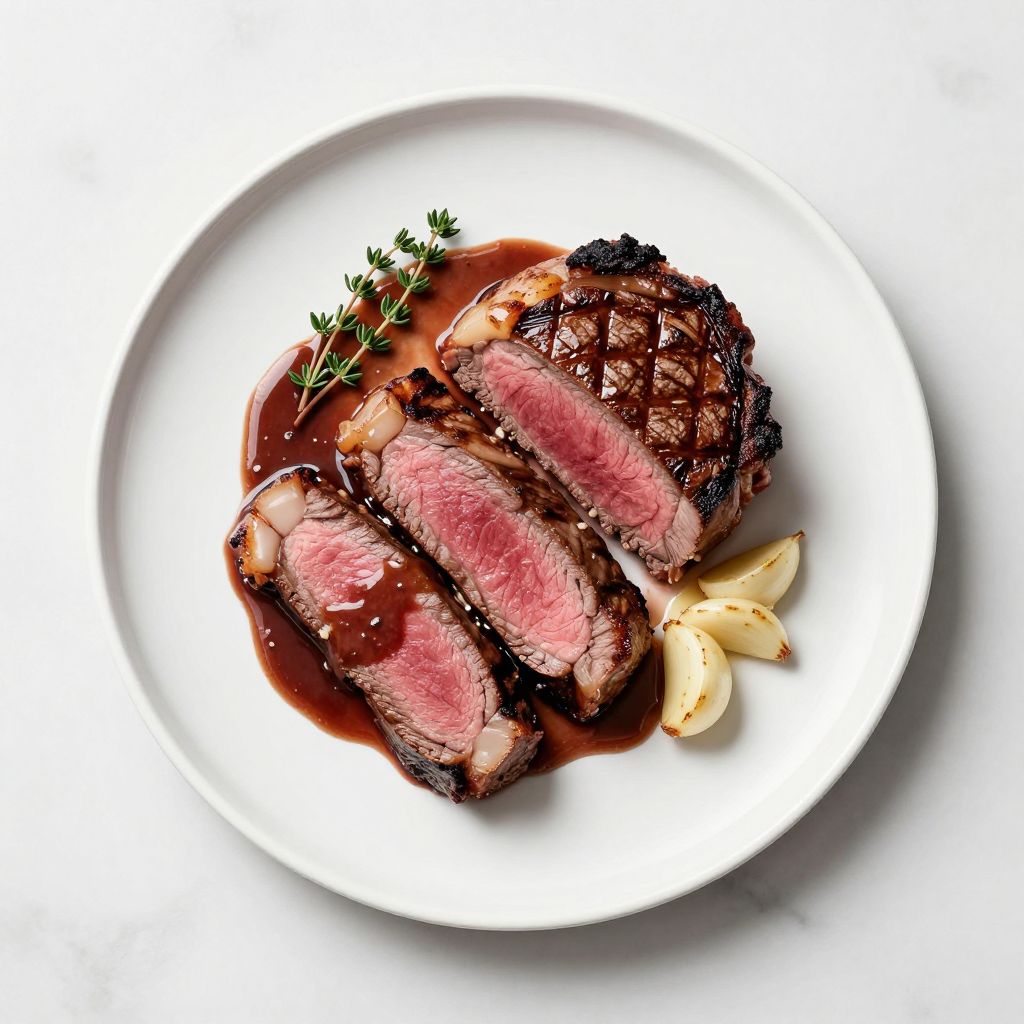
What surprised me most was how the crust develops in just three to four minutes per side. The Maillard reaction creates this deep bronze exterior that crackles slightly when you cut into it, revealing a pink, buttery center. My dinner guests thought I had spent all day cooking when really I had spent about twenty minutes, which felt like a delicious secret to keep.
The aroma alone makes it worth making, even if you are just cooking for yourself. Every element comes together to create something that tastes like celebration, and that is the whole point of this recipe.
Recipe Overview
- Recipe Name: Chateaubriand with Pan Sauce
- Servings: 2 to 3 people
- Prep Time: 10 minutes
- Cook Time: 20 minutes
- Total Time: 30 minutes
- Course: Main Dish
- Cuisine: French
- Calories per Serving: 485
Equipment You Will Need
- Cast iron or heavy stainless steel skillet (12-inch preferred)
- Meat thermometer (instant-read digital works best)
- Paper towels
- Tongs
- Baking sheet (optional, for oven finishing)
- Small saucepan for the pan sauce
- Wooden spoon or silicone spatula
- Cutting board for resting the meat
Ingredients for Chateaubriand
- Chateaubriand steak: 1 piece, 1.5 to 2 pounds, 2 to 2.5 inches thick
- Kosher salt: 1.5 teaspoons
- Fresh cracked black pepper: 0.75 teaspoon
- Unsalted butter: 3 tablespoons, divided
- Fresh garlic: 4 cloves, smashed
- Fresh thyme: 4 to 5 sprigs
- Beef or veal stock: 0.5 cup
- Dry red wine: 0.25 cup
- Shallot: 1 small, minced
- Dijon mustard: 0.5 teaspoon (optional, for sauce)
Ingredient Notes and Substitutions
- Chateaubriand steak: This is a center-cut section from the beef tenderloin, prized for its tenderness and shape. If your butcher cannot source it, substitute with two thick-cut filet mignon steaks of equal thickness, though you will lose the signature presentation.
- Kosher salt: The larger grain size allows you to control seasoning more precisely than table salt. Sea salt works in the same amount as a direct swap.
- Unsalted butter: Allows you to control the salt level in the dish and browns without burning as easily as salted butter. Clarified butter or ghee will work if you prefer.
- Fresh thyme: Adds earthy flavor that complements beef beautifully. Rosemary works as a substitute at the same amount, though it carries a stronger piney note.
- Beef stock: Provides rich, savory depth to the pan sauce. Chicken stock will work but produces a lighter sauce with less body.
- Dry red wine: Adds complexity and acidity to balance the richness of the beef. Dry white wine can substitute but will produce a milder sauce.
How to Make Chateaubriand
Step 1: Remove the Steak from the Refrigerator
Pull your chateaubriand from the refrigerator 30 to 40 minutes before cooking. Allowing the meat to come to room temperature ensures even cooking from edge to center, which prevents the outside from overcooking while the inside remains cool.
Step 2: Pat the Meat Completely Dry
Use paper towels to blot both sides and the edges of the steak until no moisture remains on the surface. Dry meat develops a better crust because water must evaporate before the Maillard reaction can occur, and this step removes that delay.
Step 3: Season Generously with Salt and Pepper
Sprinkle kosher salt and freshly cracked black pepper on both sides of the steak, pressing gently so the seasonings adhere. Salt draws out moisture initially, but resting for 30 minutes allows the salt to dissolve and reabsorb into the meat, seasoning it throughout rather than just sitting on the surface.
Step 4: Heat Your Pan Until It Is Smoking Hot
Place a cast iron or heavy stainless steel skillet over medium-high heat for 3 to 4 minutes until wisps of smoke just begin rising from the surface. A properly heated pan sears the meat quickly, creating the flavorful brown crust that is essential to this dish.
Step 5: Sear the First Side Without Moving the Meat
Add 1 tablespoon of butter to the hot pan and allow it to foam and turn golden. Lay the chateaubriand away from you to avoid splashing, then leave it undisturbed for 3.5 to 4 minutes until the bottom develops a deep brown crust.
Step 6: Sear the Second Side and Add Aromatics
Flip the steak carefully using tongs and sear the other side for 3 to 4 minutes until equally browned. Add the remaining 2 tablespoons of butter, crushed garlic cloves, and thyme sprigs to the pan, tilting it so the foaming butter coats the meat.
Step 7: Baste the Meat with the Foaming Butter
Using a spoon, continuously baste the top of the steak with the hot butter, garlic, and thyme for about 2 minutes. Basting adds flavor and helps cook the exterior evenly while keeping the top from drying out.
Step 8: Finish Cooking in the Oven
Transfer the skillet to a preheated 400-degree Fahrenheit oven for 8 to 12 minutes, depending on your desired doneness. Use a meat thermometer to check internal temperature: 125 degrees Fahrenheit for rare, 135 degrees for medium-rare, 145 degrees for medium.
Step 9: Remove and Rest the Meat
Transfer the steak to a cutting board and tent loosely with foil, then rest for 8 to 10 minutes before slicing. Resting allows the juices to redistribute throughout the meat, ensuring each slice stays moist and tender rather than bleeding onto the plate.
Step 10: Make the Pan Sauce
Place the skillet with the pan drippings over medium-high heat on the stovetop. Add minced shallot and sauté for 1 minute until fragrant, then deglaze with red wine, scraping up the flavorful browned bits stuck to the bottom.
Step 11: Reduce the Sauce
Allow the wine to simmer for 2 minutes until it reduces slightly and the raw alcohol flavor cooks off. Add beef stock and simmer for another 2 to 3 minutes until the sauce thickens slightly and concentrates in flavor.
Step 12: Finish the Sauce
Whisk in a small knob of cold butter and Dijon mustard if using, then taste and adjust salt and pepper. The cold butter creates an emulsified, silky sauce with excellent mouthfeel and shine.
Pro Tip: Do not skip the rest period after cooking. Those 8 to 10 minutes of resting are what separates a dry, bleeding steak from a perfectly juicy one with a flavorful crust.
Tips for the Best Chateaubriand
- Buy from a quality butcher who can cut the chateaubriand to proper thickness rather than ordering online if possible. You want the meat fresh and handled by someone who understands the cut.
- Let the butter turn golden brown before searing the meat. The nutty aroma signals that the butter has developed deeper flavor compounds that will contribute to the crust.
- Invest in an instant-read meat thermometer and trust it over timing or touch methods. Different ovens and pans vary wildly, so temperature reading removes all guesswork.
- Use fresh thyme and garlic rather than dried or jarred versions. The fresh aromatics create a noticeably better pan sauce and overall flavor profile.
- Resist the urge to flip the meat repeatedly or poke it constantly. Each movement slows the crust development and lets heat escape from the pan.
- Let the pan sauce cool slightly before pouring it over the meat. This prevents carryover cooking and keeps the meat from continuing to cook after you have reached your target temperature.
Common Mistakes to Avoid
- Starting with cold or cool meat straight from the refrigerator results in uneven cooking and a tough exterior. Always rest the meat to room temperature before cooking.
- Crowding the pan with too much butter or allowing butter to burn creates a bitter flavor that lingers in the crust. Use measured amounts and watch the heat carefully.
- Cutting into the meat to check doneness releases all the juices and dries out the final result. Trust your thermometer instead of your knife.
- Skipping the rest period means the meat continues cooking internally and juices run everywhere instead of staying in the meat where you want them.
- Overseasoning with herbs and spices masks the subtle, delicate beef flavor that justifies the premium price of this cut. Let the meat speak for itself with just salt, pepper, and understated aromatics.
Serving Suggestions
Chateaubriand shines when paired with elegant sides that support rather than compete with the beef. The pan sauce should be spooned generously over everything on the plate.
- Creamed spinach with nutmeg and garlic provides richness and earthiness without overwhelming the delicate beef flavor
- Roasted fingerling potatoes tossed with fleur de sel and fresh thyme echo the herbaceous pan sauce
- Asparagus with hollandaise sauce offers bright acidity and buttery richness that complements the meat
- Cauliflower puree adds sophisticated texture and a subtle sweetness that balances the savory crust
- Grilled mushrooms marinated in balsamic vinegar provide earthy depth and umami that enhances the beef
Variations to Try
- Red wine reduction: Skip the stock entirely and let the red wine reduce down to a concentrated glaze. This creates a more intensely flavored sauce that leans heavily into the wine character.
- Horseradish cream sauce: Whisk together sour cream, fresh grated horseradish, and a touch of Dijon mustard for a bright, spicy contrast to the rich beef.
- Peppercorn crust: Press whole black peppercorns and coriander seeds into the surface of the seasoned meat before searing for a textured crust with aromatic heat.
- Cognac butter: Finish the pan sauce with a splash of Cognac or brandy instead of red wine for a more sophisticated, warming flavor profile.
- Blue cheese topping: Top each slice with a small pat of softened blue cheese mixed with butter and let it melt into the warm meat for decadent richness.
Dietary Adaptations
- Gluten-free: This recipe is naturally gluten-free as written, though always verify that your stock is certified gluten-free and free from any thickening agents.
- Dairy-free: Replace the butter with ghee or high-quality olive oil for searing and finishing, though you will lose some of the classic French richness in the final sauce.
- Low-carb or keto: This recipe fits beautifully into low-carb diets as the meat and fat content are the primary nutritional components.
- Paleo: Replace the butter with ghee and ensure your stock contains no additives or thickeners for a compliant version.
Storage and Reheating
Refrigerator
Store leftover chateaubriand in an airtight container for up to 3 days. The meat will firm up as it cools, and reheating requires gentle heat to avoid drying it out further.
- Slice the meat and store it in a shallow container with the pan sauce poured over it
- The sauce acts as a protective barrier and reintroduces moisture during reheating
Freezer
Chateaubriand freezes well for up to 2 months when properly wrapped. Wrap slices individually with plastic wrap, then place in a freezer bag with as much air removed as possible.
- Store the pan sauce separately in a small freezer container
- Thaw in the refrigerator overnight before reheating
Reheating
The gentlest reheating method preserves the tender texture of the meat. Never use a microwave, which will toughen the exterior.
- Preheat your oven to 325 degrees Fahrenheit and warm the sliced meat with sauce in a covered baking dish for 10 to 12 minutes until heated through
- Alternatively, warm the meat gently in a skillet over low heat with the pan sauce, spooning the warm sauce over the meat until it reaches your desired temperature
Nutrition Information
| Nutrient | Amount |
|---|---|
| Calories | 485 |
| Total Fat | 28g |
| Saturated Fat | 12g |
| Carbohydrates | 2g |
| Fiber | 0g |
| Sugar | 0g |
| Protein | 52g |
| Sodium | 620mg |
| Cholesterol | 142mg |
Nutritional values are approximate and based on USDA data for beef tenderloin cooked with butter sauce. Actual values vary based on the exact cut, cooking method, and final internal temperature of your meat.
Frequently Asked Questions
Can I make chateaubriand ahead of time?
You can sear and partially cook the steak up to 4 hours ahead, then finish it in the oven just before serving. Finish cooking immediately before serving to ensure the best texture and temperature throughout.
What is the difference between chateaubriand and filet mignon?
Chateaubriand is a thicker center-cut section of the tenderloin designed to serve two to three people, while filet mignon refers to smaller individual steaks cut from the same muscle. Both come from the same tender cut but are portioned differently.
Can I cook this on the stovetop without an oven?
Yes, reduce the heat to medium-low after searing and continue cooking the meat in the pan, basting constantly with butter for 12 to 15 minutes until it reaches your target temperature. Monitor the heat carefully to prevent burning the bottom.
Why does my chateaubriand come out tough?
Overcooking is the most common cause, so use a meat thermometer to hit your target temperature and remove it from heat immediately. Skipping the rest period will also cause the meat to lose its juices and become dry.
Where do I buy chateaubriand?
Contact a quality butcher or high-end grocer and request a center-cut chateaubriand cut to 2 to 2.5 inches thick. Online specialty meat retailers also source excellent quality cuts if you cannot find them locally.
Should I use a meat mallet to tenderize the steak?
No, chateaubriand comes from the tenderloin, which is already exceptionally tender and needs no tenderizing. Pounding it with a mallet would damage the muscle fibers and ruin the delicate texture.
Can I use a different cut of beef if chateaubriand is unavailable?
Two thick-cut filet mignon steaks cooked together will produce nearly identical results. Avoid using tougher cuts like ribeye or New York strip, which require different cooking times and produce a different final texture.
Final Thoughts
Chateaubriand represents the kind of cooking that feels fancy but relies on technique rather than complexity. The confidence to make this dish comes from understanding heat, timing, and the importance of quality ingredients, all of which you now have after reading this guide.
This is the recipe you pull out when you want to celebrate something special or show off in the kitchen without spending all day cooking. Make it for someone you love, pour a good wine, and let this elegant beef speak for itself.
If you are looking to expand your beef cooking skills, explore our guide to steak seasoning recipe to customize your own flavor blends, or try our sirloin tip roast recipe for a different cut that offers excellent value and flavor. Both recipes build on the same cooking principles that make this chateaubriand so successful.
Chateaubriand with Pan Sauce
Ingredients
Equipment
Method
- Remove the steak from the refrigerator and let it stand at room temperature for 30 to 40 minutes.
- Pat the steak completely dry with paper towels to remove any surface moisture.
- Season both sides of the steak with kosher salt and fresh cracked black pepper, pressing gently to adhere, and let rest for 30 minutes.
- Heat a 12-inch cast iron or heavy stainless steel skillet over medium-high heat for 3 to 4 minutes until it just begins to smoke.
- Add 1 tablespoon of butter to the hot pan and, once it foams and turns golden, place the steak in the pan and sear without moving for 3.5 to 4 minutes.
- Flip the steak and sear the second side for 3 to 4 minutes, then add the remaining butter, smashed garlic, and thyme to the pan and tilt to baste the steak.
- Continuously baste the top of the steak with the foaming butter, garlic, and thyme for about 2 minutes.
- Transfer the skillet to a preheated 400°F oven and cook for 8 to 12 minutes, or until the internal temperature reaches 125°F for rare, 135°F for medium-rare, or 145°F for medium.
- Remove the steak from the oven, transfer to a cutting board, tent loosely with foil, and rest for 8 to 10 minutes.
- Place the skillet with pan drippings over medium-high heat, add minced shallot, and sauté for 1 minute until fragrant.
- Deglaze the pan with red wine, scraping up any browned bits, and simmer for 2 minutes.
- Add beef stock and simmer for an additional 2 to 3 minutes until the sauce thickens slightly.
- Whisk in a small knob of cold butter and Dijon mustard, taste and adjust seasoning, then spoon the sauce over the sliced steak before serving.