
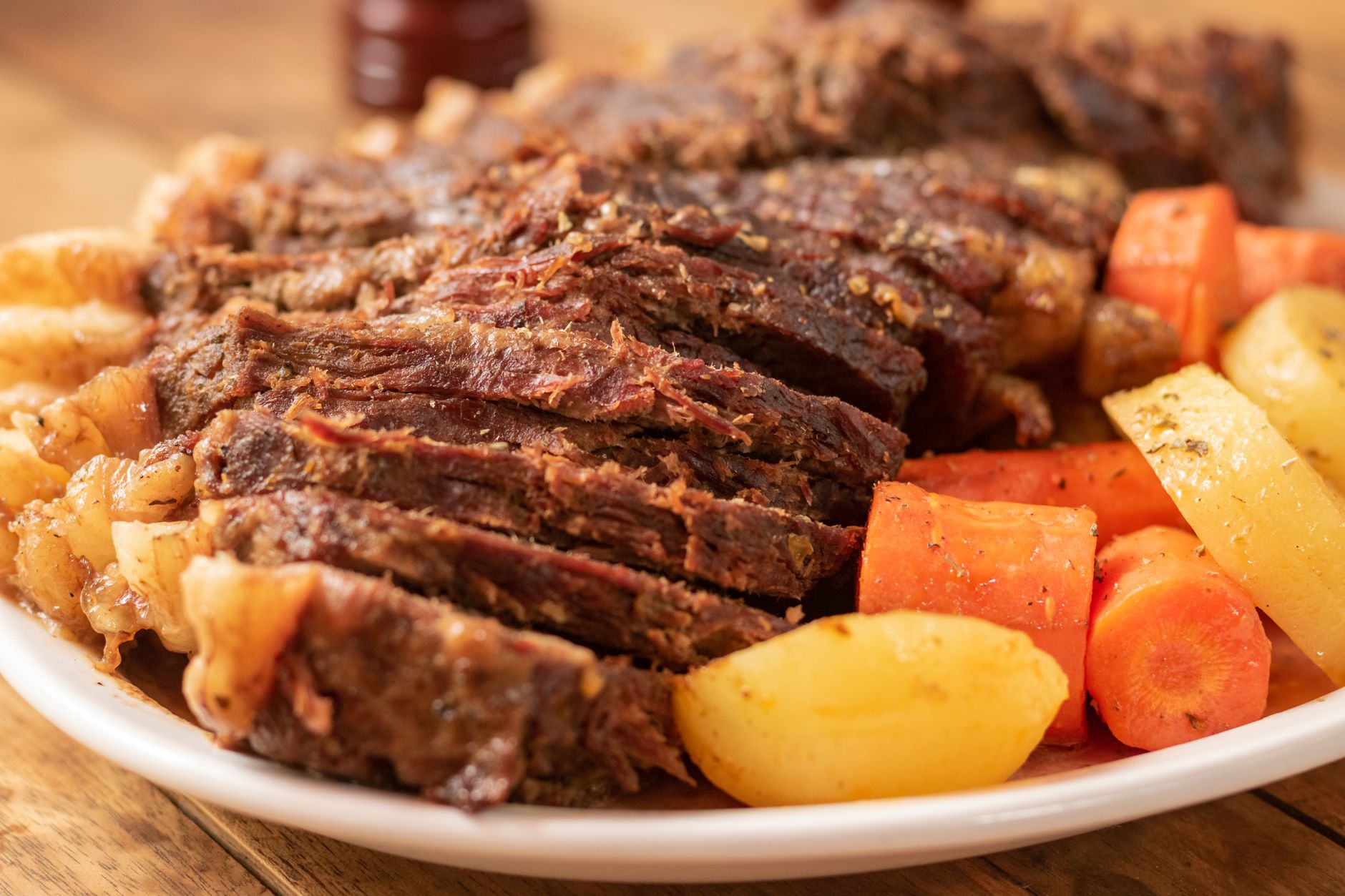
Understanding what a beef arm roast is can elevate your dining experience, whether you’re hosting a family gathering or preparing a cozy meal for yourself. This cut, known for its flavor and tenderness, can be a deliciously satisfying choice for various cooking techniques, from slow-roasting to braising.
This comprehensive guide will delve into the beef arm roast’s characteristics, preparation tips, cooking time recommendations, and practical serving suggestions. Discover how you can make the most of this flavorful cut of meat.
What Is a Beef Arm Roast?
A beef arm roast comes from the shoulder region of the cow, specifically the chuck area. It includes a portion of the arm bone, which gives the cut its name. Often known for its rich, beefy flavor and tenderness when cooked properly, it is well-suited for a variety of cooking methods, particularly slow-roasting and braising.
This cut can be found in various forms, such as whole roasts or as smaller portions, making it versatile for different recipes and meal occasions. It’s an excellent choice for budget-conscious cooks, as it tends to be more affordable than more premium cuts of meat.
Flavor and Texture of Beef Arm Roast
The beef arm roast is characterized by its robust flavor and moderately tender texture. It’s marbled with fat, which contributes to its juiciness during cooking. When prepared correctly, this roast becomes succulent and flavorful, offering a hearty eating experience that pairs well with various sides, sauces, and seasonings.
Preparation Tips for Beef Arm Roast
Proper preparation is essential for achieving the best results from your beef arm roast. Follow these tips to ensure a delicious outcome.
- Choosing the Right Roast: Look for well-marbled cuts, as the intramuscular fat helps enhance flavor and tenderness.
- Trimming: Depending on your preference, you may want to trim excess fat for a leaner roast or leave it intact to enhance juiciness.
- Seasoning: Generously season the roast with salt, pepper, and any spices or herbs you enjoy. Allow it to sit at room temperature for about 30 minutes before cooking to improve the overall flavor.
- Marinating: Consider marinating the beef arm roast for a few hours or overnight. Marinades with vinegar or citrus juice can help tenderize the meat while adding flavor.
Cooking Methods for Beef Arm Roast
The beef arm roast is versatile and can be prepared using several cooking methods. Below, we’ll explore the most popular techniques for cooking it.
Slow Roasting
This method is excellent for achieving a tender and juicy roast. It involves cooking the meat at a low temperature over an extended period, allowing the flavors to develop fully. Here’s a simple approach:
- Preheat your oven to 325°F (160°C).
- Place the seasoned beef arm roast in a roasting pan bone-side down.
- Add vegetables like carrots, onions, and potatoes for added flavor.
- Pour stock or broth around the roast to keep it moist.
- Cover the roast with foil, and cook for about 3 to 4 hours or until it reaches an internal temperature of 190°F (88°C) for optimal tenderness.
- Remove the foil for the last 30 minutes of cooking to brown the surface.
Braising
Braising is another fantastic way to prepare a beef arm roast. This technique involves cooking the meat slowly in liquid. It tenderizes the meat while infusing it with flavor. Here’s how to braise:
- Season the roast with salt and pepper.
- In a large Dutch oven, heat some oil over medium-high heat. Sear the roast on all sides until browned.
- Add chopped onions, garlic, and your choice of vegetables to the pot.
- Pour in broth, wine, or a combination of both until the roast is about halfway submerged.
- Bring the liquid to a boil, then reduce the heat to low, cover, and simmer for 3 to 4 hours or until the meat is fork-tender.
Pressure Cooking
If you’re short on time, using a pressure cooker can significantly reduce cooking time while still resulting in a tender roast. Here’s a brief guide:
- Season the roast and sear it in the pressure cooker on the sauté setting.
- Add liquid (broth or wine) and ensure there’s sufficient liquid for pressure buildup.
- Seal the pressure cooker and cook on high pressure for about 60 to 90 minutes, depending on the size of the roast.
- Allow for natural pressure release before removing the lid and serving.
Timing and Cooking Temperatures
Cooking times vary based on the method you choose and the size of your roast. Below is a general overview of cooking times and temperatures based on different techniques:
| Cooking Method | Temperature | Time (per pound) |
|---|---|---|
| Roasting | 325°F (160°C) | 30 minutes |
| Braising | Low Heat | 3 to 4 hours |
| Pressure Cooking | High Pressure | 1 to 1.5 hours |
Serving Suggestions
- Slicing: Let the roast rest for at least 15 to 20 minutes before slicing. This helps redistribute the juices and ensures moist slices.
- Pairing: Beef arm roast pairs well with classic sides like mashed potatoes, roasted vegetables, or creamy polenta. Consider adding a fresh salad or some crusty bread as well.
- Gravy: Use the drippings from the cooking pan to create a flavorful gravy. Simply thicken with flour or cornstarch as desired.
- Leftovers: Utilize any leftovers for sandwiches, beef stew, or tacos. The flavor tends to mature, making leftovers even more enjoyable.
Common Mistakes and Troubleshooting
Even the most experienced cooks can run into issues when preparing a beef arm roast. Here are some common mistakes to watch out for:
- Overcooking: Keep an eye on the internal temperature to avoid drying out the roast. Aim for a temperature around 190°F (88°C) for maximum tenderness.
- Insufficient Resting: Skipping the resting period after cooking can lead to juices running out when sliced. Always allow resting for optimal results.
- Poor Seasoning: Make sure to season generously for a flavor-packed roast. Consider using both dry seasoning and a marinade for best results.
Storage and Reheating
Proper storage techniques are essential to maintaining the flavor and quality of your beef arm roast. Follow these guidelines for optimal preservation:
- Refrigeration: Store cooked beef arm roast in an airtight container in the refrigerator. It should be consumed within 3 to 4 days.
- Freezing: You can freeze the roast if you wish to keep it longer. Wrap it tightly in plastic wrap and then in aluminum foil. Use within 3 months for best quality.
- Reheating: When ready to reheat, use a low oven temperature of 250°F (120°C) to gently warm the roast. Cover it with foil to prevent drying out.
Practical Ingredient Substitutions
If you find yourself in need of alternatives when cooking with beef arm roast, consider the following substitutions:
- Beef Broth: If you don’t have beef broth, chicken broth or vegetable broth can work in a pinch, though they may alter the flavor slightly.
- Red Wine: Red wine adds depth to flavor. If unavailable, use grape juice diluted with vinegar for a similar effect.
- Herbs: Fresh herbs can be replaced with dried herbs in a 3:1 ratio. For example, 1 teaspoon of dried herbs for each tablespoon of fresh.
Conclusion
A beef arm roast can be a delicious addition to your meal repertoire, offering rich flavor and satisfying textures. With the right preparation and cooking methods, this cut can produce a hearty dish perfect for a cozy family dinner or special occasion.
Next time you’re considering a roast, remember the tips and techniques outlined here to make your beef arm roast shine. For more inspiration, explore our Dutch Oven Pot Roast Recipe and Top Round Roast Recipe for variations to try!