
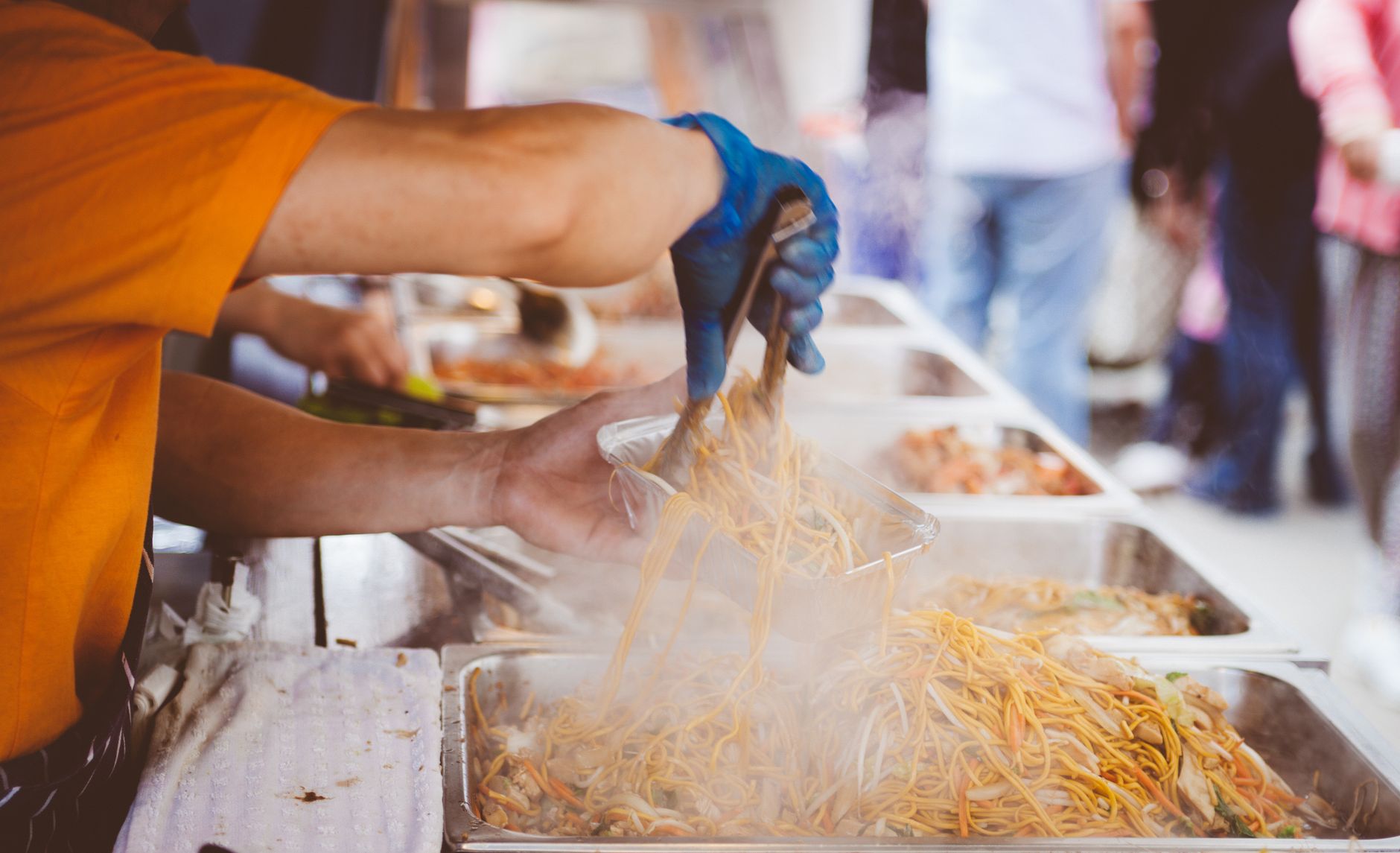
Chow mein noodles are a staple component in various Asian cuisines, particularly in Chinese cuisine. Understanding what chow mein noodles are, their taste, texture, and various cooking applications can elevate your culinary skills and allow you to create delicious, authentic dishes. This article will explore the key attributes of chow mein noodles and how to use them in your kitchen.
Chow mein, which means “stir-fried noodles” in Chinese, can refer to both the type of noodle and the dishes they are featured in. These noodles vary in shape, size, and preparation, providing versatility in cooking. Whether you’re looking to whip up a quick weeknight dinner or impress your guests with a homemade stir-fry, knowing how to use chow mein noodles is essential.
What Are Chow Mein Noodles?
Chow mein noodles can be categorized into two main types: thin and thick. The thinner variety is typically made from egg noodles, while the thicker variation can be made from wheat flour and eggs. Both types of noodles are blanched and then stir-fried, which gives them a unique flavor and texture that sets them apart from other noodle dishes.
Taste and Texture of Chow Mein Noodles
The flavor profile of chow mein noodles is mild and slightly nutty, making them an excellent base for a wide range of sauces and ingredients. Their texture varies depending on cooking methods; when stir-fried quickly over high heat, they become crispy on the outside while remaining chewy inside. If cooked for a longer time, they can become softer but should retain some bite.
Texture Overview
- Thin Chow Mein Noodles: Thin, soft, and slightly chewy. Ideal for quick preparation and absorption of sauces.
- Thick Chow Mein Noodles: Chewy and more substantial. Retains a bit more bite when stir-fried.
Common Uses of Chow Mein Noodles in the Kitchen
Chow mein noodles are incredibly versatile and can be used in various dishes beyond the classic chow mein stir-fry. Here are some common uses:
1. Stir-Fried Dishes
The most popular application of chow mein noodles is in stir-fried dishes. These noodles are cooked with vegetables, proteins, and flavorful sauces for a quick and satisfying meal.
2. Soups and Broths
Chow mein noodles can also be added to soups, adding substance and texture. They soak up the flavors of the broth while maintaining their characteristic chewiness.
3. Salads
Cooked and cooled chow mein noodles can serve as an interesting addition to salads. Their texture contrasts nicely with fresh vegetables, making for a unique dish.
4. Casseroles
In some Asian-inspired casseroles, chow mein noodles can add a delightful crunch on top or act as a base, lending a unique flavor and texture.
How to Cook Chow Mein Noodles
Cooking chow mein noodles is relatively straightforward but requires some attention to detail to achieve the desired texture. Here’s a step-by-step guide on how to cook chow mein noodles:
- Choose the Right Noodles: Look for chow mein noodles labeled specifically for stir-frying. Thin egg noodles are common.
- Boil Water: In a large pot, bring salted water to a rolling boil.
- Add Noodles: Add the noodles to the boiling water, stirring gently to prevent sticking.
- Cooking Time: Cook according to package instructions, usually around 3-5 minutes for thin noodles. Check frequently to avoid overcooking.
- Drain and Rinse: Once cooked, drain the noodles in a colander and rinse with cold water to stop cooking. This also helps to remove excess starch.
- Ready to Stir-Fry: At this point, your noodles are ready to be used in stir-fries or other dishes.
Practical Substitutions for Chow Mein Noodles
If you can’t find chow mein noodles or wish to experiment, there are several alternatives you can consider:
- Soba Noodles: Made of buckwheat, they have a nutty flavor and are suitable for stir-frying.
- Rice Noodles: Thai rice noodles provide a gluten-free option, but they may have a different texture.
- Spaghetti: In a pinch, traditional spaghetti can be used, with a different but acceptable texture.
Common Mistakes to Avoid When Cooking Chow Mein Noodles
While cooking chow mein noodles may seem simple, there are a few pitfalls to watch out for:
- Overcooking: This can lead to mushy noodles that won’t hold their shape in stir-fries.
- Skipping Rinsing: Failing to rinse the noodles can lead to them sticking together.
- Not Stir-Frying Quickly: Cook on high heat to achieve the desired crispy texture and avoid steaming the noodles.
Serving Suggestions for Chow Mein Dishes
Chow mein can be served in many exciting ways. Here are some ideas to elevate your dishes:
- Garnish: Top your chow mein with sliced green onions, sesame seeds, or chopped cilantro for an added flavor burst.
- Add Proteins: Chicken, beef, shrimp, or tofu can be added to create a more filling meal.
- Serve with Sauces: A blend of soy sauce, oyster sauce, and sesame oil can add depth to your flavors.
Storage and Reheating Chow Mein Noodles
When it comes to storing chow mein noodles, proper techniques can help maintain their texture and flavor:
Storing Leftover Chow Mein
- Store in an airtight container in the refrigerator for up to 3 days.
- Avoid freezing, as noodles can become mushy upon thawing.
Reheating Tips
To reheat chow mein noodles and restore their original texture:
- On the Stove: Heat a bit of oil in a pan and stir-fry the noodles over medium heat until warmed through.
- In the Microwave: Place the noodles in a microwave-safe dish, cover with a damp paper towel, and heat in short intervals, stirring in between.
Exploring Cultural Variations of Chow Mein
Chow mein noodles are enjoyed worldwide, but their preparation and associated dishes may vary considerably from one region to another:
American-Chinese Chow Mein
In American cuisine, chow mein is often associated with more Western adaptations, featuring a variety of meats and vegetables. It frequently comes in both crispy and soft forms.
Canadian Chow Mein
Canadian-style chow mein may include unique toppings and local ingredients, often resulting in a fancier presentation. It is not uncommon to find it paired with different sauces.
Chinese Chow Mein
The original preparation in China involves minimal sauces, focusing more on the fresh ingredients used in stir-frying.
Conclusion
Chow mein noodles are incredibly versatile and can be adapted to many different dishes, from classic stir-fries to unique salads. Their mild flavor and chewy texture make them an attractive option for various culinary explorations. Understanding how to cook and utilize chow mein noodles effectively will open up a world of delicious possibilities in your kitchen.
If you’re looking to expand your cooking repertoire, try making a beef lo mein recipe or explore variations like chow fun. Each has unique characteristics and flavors to discover. Happy cooking!