
As more people explore dietary changes, many are looking for alternatives to traditional bread. Whether it’s for health reasons, dietary preferences, or simply to mix things up, there are numerous options available that maintain the pleasure of a satisfying meal without the carbs associated with bread. In this article, we will explore various substitutes, their benefits, cooking tips, and how to incorporate them into your daily meals.
From cauliflower to chickpeas, there are many exciting substitutes for bread that can cater to different tastes and textures. We’ll delve into specific options, provide practical tips for swaps and ratios, and share cooking methods that help bring these alternatives to life.
What to Eat Instead of Bread?
Instead of bread, consider items like lettuce wraps, veggie-based options, grain alternatives, or even specialty items like chaffles. These substitutes maintain the essence of a meal while catering to lower-carb, gluten-free, or healthier lifestyle choices.
Popular Bread Alternatives
Here’s an overview of popular alternatives to traditional bread, along with their potential uses and flavor profiles.
- Lettuce Wraps: These are excellent for low-carb or gluten-free diets. Crisp lettuce leaves like romaine or iceberg can wrap around fillings like meats, cheeses, and veggies, offering a crunchy and refreshing experience.
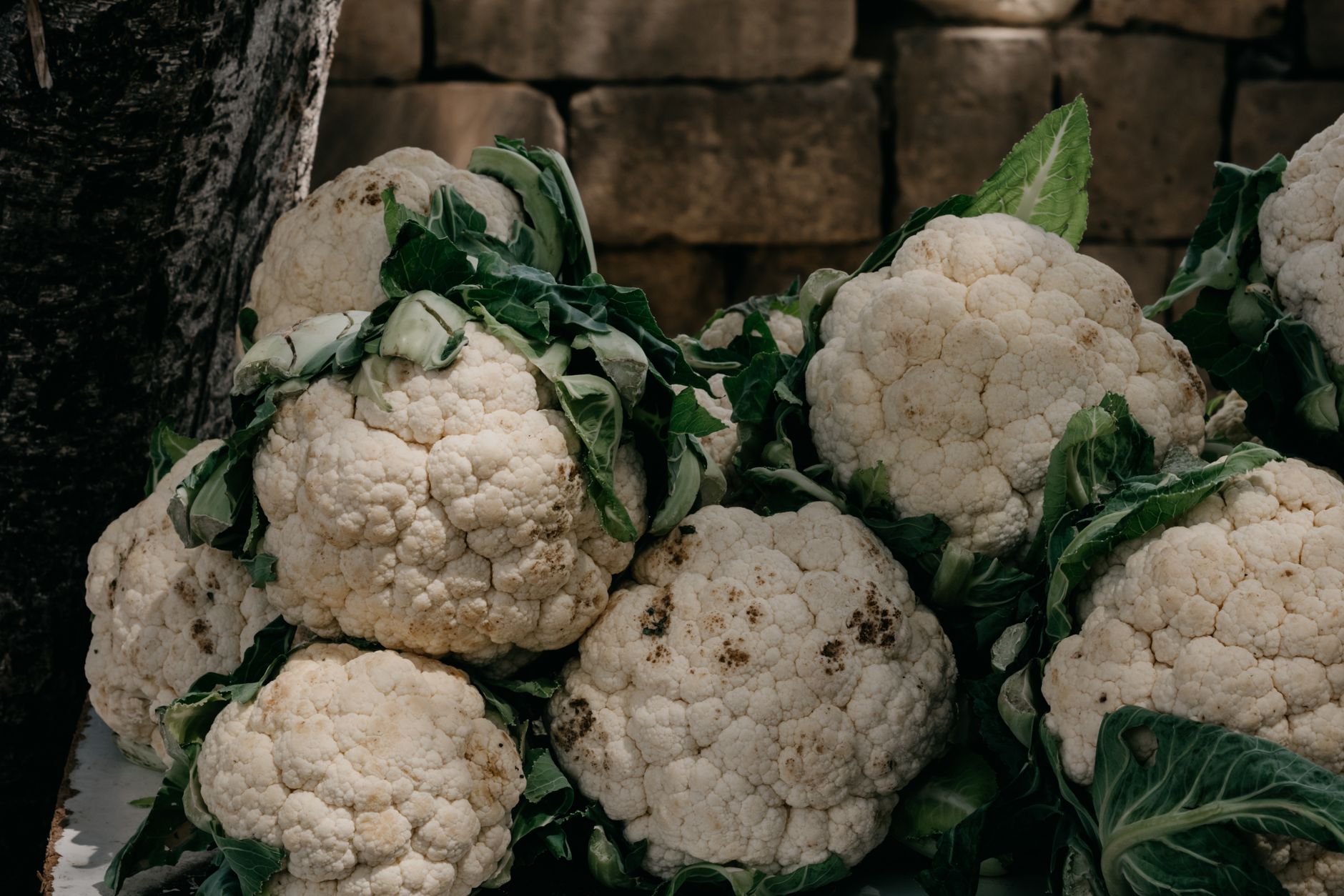
- Cauliflower Bread: Made from riced cauliflower, this option is suitable for those following a keto diet. It can be baked into breadsticks or pizza crusts, offering a mild flavor with plenty of textures.
- Chickpea Flour Flatbreads: Also known as socca or farinata, chickpea flatbreads are high in protein and gluten-free. They have a nutty flavor and work well as a base for various toppings.
- Portobello Mushrooms: Large, meaty mushrooms can act as a bun for burgers or sandwiches. They impart a rich flavor while providing a hearty bite.
- Egg-Based Recipes: Options like chaffles (cheese and egg waffles) or omelets can serve as a bread substitute for breakfast sandwiches or wraps.
- Zucchini Slices: Grilled or baked zucchini can be used in place of bread for sandwiches or as a base for mini pizzas.
- Nut and Seed Crackers: These gluten-free options combine ground nuts and seeds to create crunchy crackers, perfect for spreads or cheeses.
Cooking Techniques for Bread Substitutes
Utilizing alternative bread substitutes effectively often depends on the right cooking techniques. Here are methods that will help you achieve great results with these options.
1. Grilling and Roasting
For vegetables like zucchini and portobello mushrooms, grilling or roasting brings out their natural flavors. Brush them with olive oil and season before cooking to enhance their taste.
2. Baking
Many bread alternatives, like cauliflower bread, require baking. Make sure to drain excess moisture from the cauliflower after ricing it to achieve a drier dough. Bake at 400°F (200°C) until golden brown. The baking time may vary based on thickness, typically around 20 to 30 minutes.
3. Pan-Frying
For chickpea flour flatbreads, a hot skillet is key. Use a non-stick or cast-iron skillet, heat it over medium-high heat, and pour in the batter, cooking until bubbles form on the surface before flipping. This can take about 2-3 minutes per side.
Ingredient Swaps and Ratios
When substituting bread, it can be helpful to understand ratios and how flavors interact. Here’s guidance for commonly used alternatives.
1. Cauliflower for Pizza Crust
When making cauliflower pizza crust, use a 1:1 ratio of riced cauliflower to cheese. If you use 2 cups of riced cauliflower, add 2 cups of shredded cheese and 1 egg to bind it. Season as desired.
2. Chickpea Flour for Pancakes or Flatbreads
For a pancake substitute, use a 1:1 ratio of chickpea flour to water or plant milk. Mix and let it rest for about 30 minutes before cooking for optimal texture.
3. Portobello Mushrooms for Burger Buns
One large portobello cap is typically sufficient for one burger, serving as the top and bottom bun. Use the natural shape to fit your patty and toppings evenly.
Simple Recipes Using Bread Alternatives
Now that we’ve identified alternative ingredients and their basic ratios, let’s explore some easy recipes that utilize these options effectively.
Cauliflower Pizza Crust
This crust is a fantastic alternative for lovers of pizza. It offers a delicious flavor without the carbs.
- Yield: 1 pizza (serves 2-4)
- Prep Time: 15 minutes
- Cooking Time: 25 minutes
- Total Time: 40 minutes
Ingredients:
- 2 cups riced cauliflower (fresh or frozen and thawed)
- 1 cup shredded mozzarella cheese
- 1 large egg
- 1/2 teaspoon garlic powder
- 1/2 teaspoon Italian seasoning
- Salt and pepper to taste
- Your favorite pizza toppings
Essential Equipment:
- Baking sheet
- Parchment paper
- Mixing bowl
- Oven
Steps:
- Preheat oven to 400°F (200°C) and line a baking sheet with parchment paper.
- In a mixing bowl, combine the riced cauliflower, mozzarella, egg, garlic powder, Italian seasoning, salt, and pepper.
- Spread the mixture onto the prepared baking sheet, shaping it into a thin round crust.
- Bake for 25 minutes or until golden brown and firm to the touch.
- Remove from the oven, add your preferred pizza toppings, and bake for an additional 10 minutes until the cheese melts.
Chickpea Flour Flatbread
These flatbreads are ideal for wraps or as a side dish.
- Yield: 4 flatbreads
- Prep Time: 10 minutes
- Cooking Time: 10 minutes
- Total Time: 20 minutes
Ingredients:
- 1 cup chickpea flour
- 1 cup water
- 1 tablespoon olive oil
- 1/2 teaspoon salt
- Optional: spices like cumin or turmeric for flavor
Essential Equipment:
- Non-stick skillet
- Mixing bowl
- Spatula
Steps:
- In a mixing bowl, whisk together chickpea flour, water, olive oil, salt, and any optional spices until smooth. Let the batter rest for 10 minutes.
- Heat a non-stick skillet over medium-high heat and lightly grease it.
- Pour 1/4 cup of the batter into the skillet, swirling to form a round shape.
- Cook for about 2-3 minutes until bubbles appear, then flip and cook for an additional 2 minutes.
- Repeat with the remaining batter and serve warm.
Common Mistakes and Troubleshooting
When experimenting with bread substitutes, a few mistakes can hinder the results. Here’s how to avoid them:
- Excess Moisture: For cauliflower crusts, make sure to thoroughly drain and squeeze out moisture after ricing. Too much water can lead to a soggy crust.
- Improper Binding: If your chickpea flatbreads are falling apart, ensure you’re using the right proportions of liquid to flour. Allow the batter to rest before cooking to thicken.
- Overcooking: Keep an eye on cooking times as alternatives often vary in doneness cues compared to traditional bread. Test for crispness and golden-brown edges.
Storage and Reheating Tips
Knowing how to store and reheat bread substitutes extends their shelf life and retains flavors.
- Cauliflower Pizza Crust: Store in an airtight container in the fridge for up to 3 days. Reheat in the oven at 350°F (175°C) until warmed through.
- Chickpea Flatbreads: These can be stored in parchment paper, placed inside a resealable bag for up to 5 days. Heat on a skillet for the best texture.
Final Thoughts on Bread Alternatives
Choosing alternatives to bread can be a delightful way to reduce carbs and explore new flavors. From vegetable-based options to unique flours, these substitutes bring diversity and creativity to meals. Whether you opt for cauliflower crust pizza or chickpea flatbreads, you can fully enjoy the experience without compromising on taste.
For the next steps in your culinary exploration, consider trying out the chaffles recipe or the carnivore bread recipe for some unique substitutions that cater to various dietary preferences. Enjoy experimenting and discovering new ways to enjoy your favorite meals!