
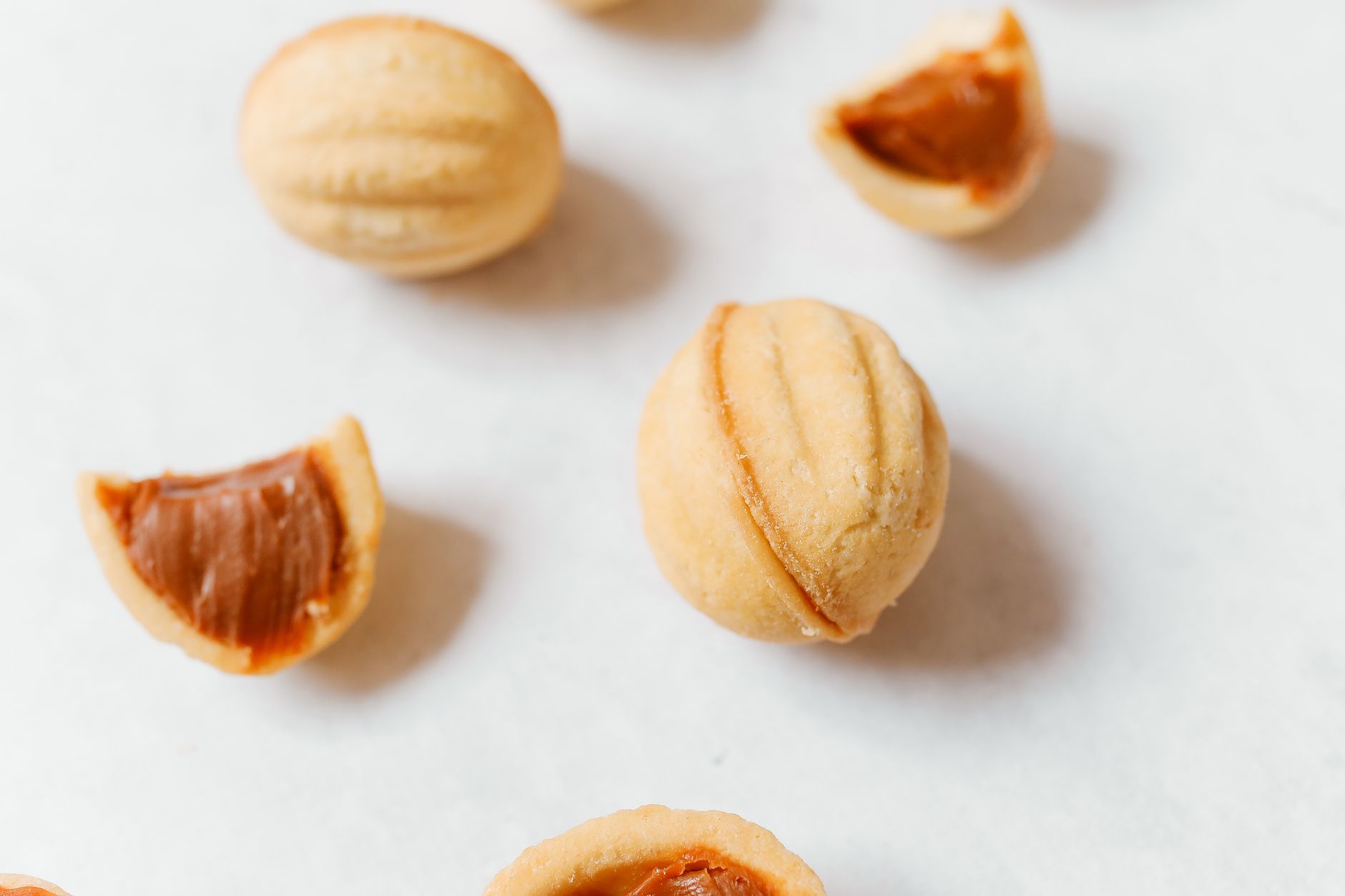
Caramel is a beloved confection known for its rich, sweet flavor and smooth texture. Often used in desserts, candies, and sauces, many people enjoy its versatility in various culinary creations. But have you ever wondered when caramel was first invented and how it became such a popular treat?
The history of caramel is fascinating, tracing back to its origins and evolution in different cultures. This article examines when caramel was invented, its uses throughout history, and provides some insights into how you can utilize caramel in your own cooking and baking endeavors.
When Was Caramel Invented?
Caramel was invented in the 19th century, with its roots tracing back to the early stages of candy-making in Europe. The technique of cooking sugar until it melts and turns golden brown was known to be used in various forms long before, but it was in the early 1800s that caramel began to be recognized in its more modern form.
The Origins of Caramel
The origins of caramel can be linked back much earlier than the 19th century. Sugar has been used in the culinary world since at least the 6th century AD, primarily in the Middle East and India. However, the specific technique of heating sugar until it caramelizes – producing that characteristic color and flavor – did not evolve until much later.
Early Methods of Sweetening
The ancient Greeks and Romans were known to use honey as a sweetener in various dishes. However, it was the introduction of sugar by the Crusaders that began to change the landscape of desserts in Europe. By the Middle Ages, sugar was becoming more accessible and was often used in sweet confections, but the methods of preparing it were still quite rudimentary.
The Development of Caramel
As sugar production became more widespread and techniques improved, cooks began experimenting with sugar. The deliberate process of making caramel – cooking sugar until it melts and browns, resulting in a nutty flavor – became more refined around the late 18th to early 19th centuries.
In the 1850s, chefs began using these caramelized sugars in a variety of candies, desserts, and sauces, laying the groundwork for the modern understanding of caramel. Candies like caramels were speculated to have become popular in the United States in the mid-1800s. The ability to create soft and hard caramels paved the way for various creations linked to candy-making and dessert preparation.
Types of Caramel
Caramel has developed into several distinct forms depending on the cooking techniques and the final product desired. Here are some of the popular types of caramel:
- Liquid Caramel: Made by melting sugar and cooking it until it reaches a liquid consistency, often used as a base for sauces.
- Soft Caramel: Cooked sugar is combined with cream or milk to create a chewy texture, typically used in candies and dessert fillings.
- Hard Caramel: Cooked to a higher temperature, resulting in a hard candy texture, often used for lollipops and brittles.
- Caramel Sauce: A sweet, thick sauce made by combining sugar, butter, and cream; a popular topping for desserts.
- Toffee: A type of hard caramel that includes butter for a richer flavor, often incorporated with nuts.
Culinary Uses of Caramel
Caramel is not only delightful on its own but also serves as a versatile ingredient in various culinary applications. Understanding how to incorporate it into your recipes can enhance flavors and elevate your dishes. Here are some common uses:
Desserts
Caramel is often a key ingredient in many desserts. It can be drizzled over cakes, utilized in custards, or swirled into ice cream for added flavor. Additionally, caramel can be used to create flans, tarts, and many other sweet treats.
Candies
One of the most traditional uses of caramel is in homemade candies. With the right technique, you can create soft caramels, chewy caramels, or even hard candy. The options are virtually limitless, allowing for creativity in flavor and texture.
Sauces and Toppings
Caramel sauces are popular toppings for desserts, adding richness and sweetness. They can be made simply with sugar, butter, and cream, and drizzled over cakes, cupcakes, or even fruits for a delightful treat.
Flavor Pairings
Caramel pairs well with several flavors, making it an agile ingredient in various recipes. Consider pairing it with:
- Chocolate: A classic combo, the bitterness of chocolate balances caramel’s sweetness perfectly.
- Sea Salt: The trend of sea salt caramel combines sweet and salty notes, elevating the flavor profile.
- Nuts: Adding nuts like pecans, almonds, or peanuts provides additional texture and richness.
- Fruit: Caramel complements the freshness of fruit, particularly apples and pears.
How to Make Caramel at Home
Making caramel at home is simple and rewarding. While the process requires some attention, the payoff is a delightful treat that you can use in various recipes. Below is a basic method to make a simple caramel sauce:
Ingredients
- 1 cup granulated sugar
- 6 tablespoons butter (unsalted)
- 1/2 cup heavy cream
- Pinch of salt (optional)
Essential Equipment
- Saucepan
- Wooden spoon or silicone spatula
- Candy thermometer (optional)
- Measuring cups and spoons
- Heatproof container for storing the caramel
Method
- In a medium saucepan over medium heat, add sugar. Stir gently until it begins to melt.
- Continue cooking without stirring until the sugar is fully melted and turns a deep amber color. Watch closely to avoid burning.
- Remove from heat and add butter. Stir until melted and combined.
- Gradually add cream while stirring; be cautious, as the mixture may bubble up.
- Add salt if desired. Stir until smooth.
- Allow the caramel to cool slightly before transferring it to a heatproof container.
Common Mistakes When Making Caramel
Despite its simplicity, caramel can be tricky. Here are some common mistakes to avoid:
- Not using a heavy-bottomed saucepan: A heavy pot distributes heat uniformly, reducing the risk of burning.
- Stirring too much: Once the sugar starts melting, avoid stirring excessively, as it can cause crystallization.
- Ignoring color changes: Pay attention to color; caramel can quickly go from perfect to burned.
- Adding cream too quickly: When adding cream, do it gradually to prevent the mixture from splattering.
Caramel Variations
To add your personal touch or suit dietary preferences, consider these variations on basic caramel recipes:
- Flavored Caramel: Infuse your caramel with flavors such as vanilla, bourbon, or coffee for a twist.
- Vegan Caramel: Substitute coconut oil and nut milk for butter and cream to create a plant-based version.
- Spicy Caramel: Add a pinch of cayenne pepper or cinnamon to your caramel for a unique kick.
Storing and Reheating Caramel
Properly storing caramel can significantly extend its shelf life while maintaining its delicious flavor. Here are some tips on how to store your homemade caramel:
- Allow caramel to cool completely before storing it in an airtight container to avoid moisture buildup.
- For longer preservation, consider refrigerating the caramel. Caramel can last for up to two weeks in the fridge.
- When reheating, do so gently in the microwave or on low heat on the stovetop. Stir to regain the smooth consistency.
Conclusion
Caramel has a rich history that reflects the evolution of candy-making and sweet confections. From its humble beginnings in the cooking pots of early chefs to today’s versatile ingredient in desserts, sauces, and candies, caramel continues to be a beloved treat. By mastering caramel techniques and understanding its uses, home cooks can elevate their culinary skills and delight their taste buds.
Explore our caramel icing recipe for a delectable topping, or try making caramel rolls for a sweet breakfast treat. Happy cooking!