
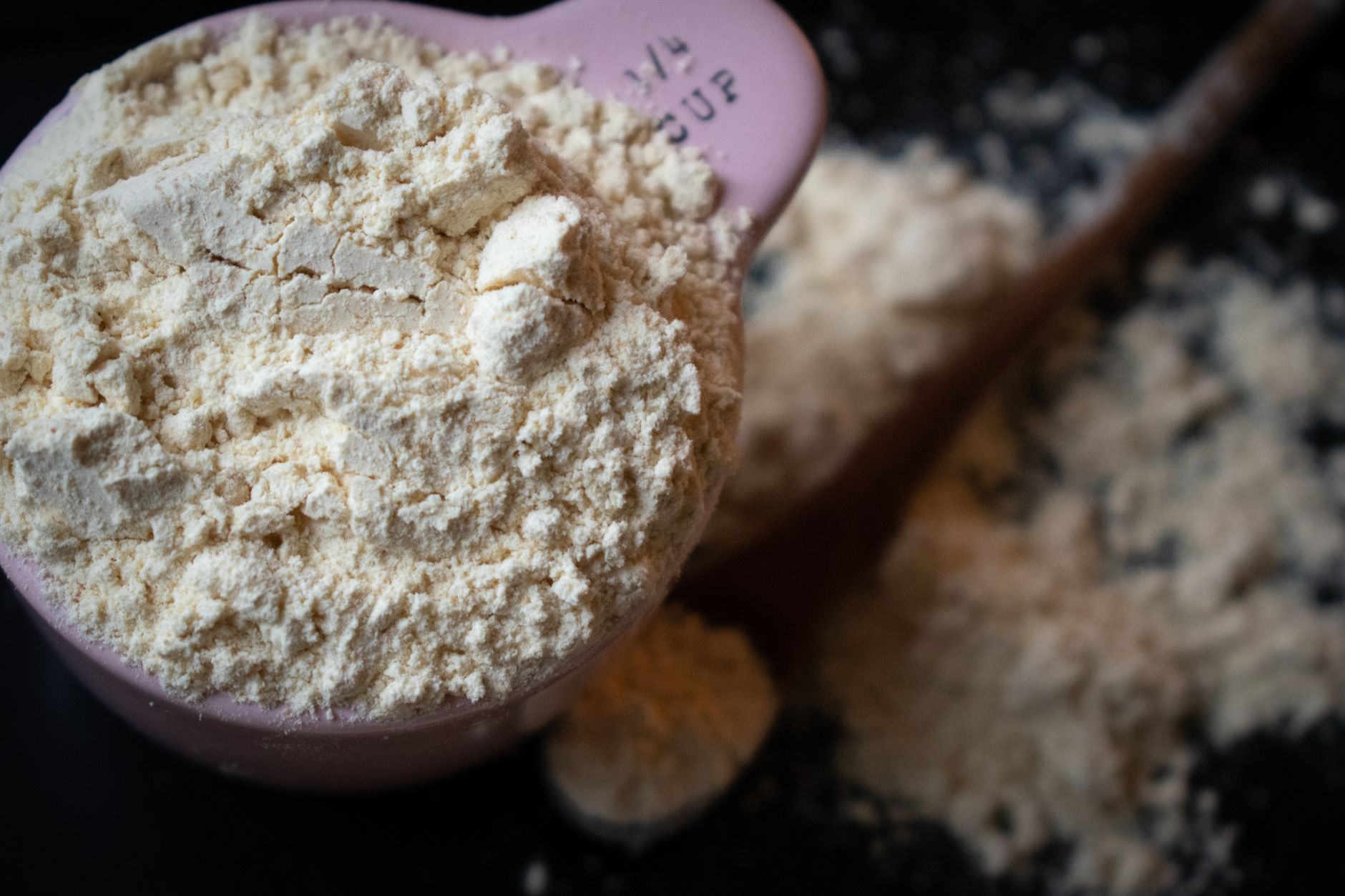
Understanding the differences between various types of flour is essential for successful baking. One common question is whether cake flour can be used instead of all-purpose flour. Each flour type serves specific purposes, affecting the final texture and taste of baked goods.
This article explores the differences between cake flour and all-purpose flour, their culinary uses, and how to make substitutions effectively while ensuring successful baking results.
Can You Use Cake Flour Instead of All Purpose Flour?
Yes, you can use cake flour instead of all-purpose flour, but it’s important to consider the differences in protein content and absorbency. Cake flour has a lower protein level than all-purpose flour, which results in lighter, softer baked goods. This means that a substitution will yield variations in texture and structure.
Understanding Cake Flour vs. All-Purpose Flour
To make informed substitutions, it’s important to understand the characteristics of both flours:
Cake Flour
- Protein Content: Typically around 7-9%, cake flour has less protein than all-purpose flour, leading to lower gluten development.
- Texture: Fine texture contributes to lighter cakes and pastries. This flour is bleached, which alters the starches to enhance tenderness.
- Absorbency: Cake flour absorbs more liquid, resulting in a more delicate crumb structure.
All-Purpose Flour
- Protein Content: Ranges from 10-12%, making it versatile for various recipes, including cookies, bread, and cakes.
- Texture: The moderate protein content allows for a balance of moisture and structure in baked goods.
- Usage: As the name suggests, it can be used in a wide range of recipes, making it a staple in many kitchens.
When to Use Cake Flour Instead of All-Purpose Flour
Substituting cake flour in place of all-purpose flour can yield excellent results in specific recipes. Here are some instances when it’s appropriate:
- Light and Fluffy Cakes: For cakes like chiffon or angel food cakes, cake flour is ideal due to its low protein content and fine texture.
- Pastries: When making pastries that require a tender crumb, such as delicate tarts, cake flour can enhance the final product.
- Cookies: For softer, cakey cookies, such as whoopie pies or frosted sugar cookies, cake flour can help achieve the desired texture.
How to Substitute Cake Flour for All-Purpose Flour
If you want to use cake flour in your recipe, it’s crucial to convert the measurement correctly to maintain the proper balance of ingredients. Here’s how you can do it:
- Use about 1 cup of cake flour for every cup of all-purpose flour you need. However, because cake flour is finer, you might want to adjust the quantity slightly if you’re concerned about the texture.
- For better results, sift the cake flour before measuring it. This helps prevent packing and ensures that you are using the correct amount of flour.
- Since cake flour absorbs more liquid than all-purpose flour, you may have to slightly increase the liquid components of your recipe if you notice the batter is too thick.
Practical Applications and Recipes
Here are a few recipes and applications where substituting cake flour for all-purpose flour is advantageous:
1. Classic Vanilla Cake
This cake relies on cake flour for its tender crumb and light structure.
- Ingredients:
- 2 cups cake flour
- 1 ½ cups sugar
- ½ cup unsalted butter, softened
- 1 cup milk
- 3 ½ teaspoons baking powder
- 1 teaspoon vanilla extract
- ½ teaspoon salt
- Preheat oven to 350°F (175°C) and prepare a cake pan.
- In a bowl, cream together the softened butter and sugar until light and fluffy.
- Add eggs one at a time, incorporating thoroughly, then mix in the vanilla extract.
- In a separate bowl, combine cake flour, baking powder, and salt.
- Gradually add the flour mixture to the butter mixture, alternating with milk, until smooth. The batter should be airy.
- Pour the batter into the prepared pan and bake for 25-30 minutes, or until a toothpick inserted in the center comes out clean.
- Let it cool before frosting or serving.
2. Chocolate Chip Cookies
By substituting cake flour, you can achieve a softer texture, perfect for cake-like cookies.
- Ingredients:
- 2 ½ cups cake flour
- 1 teaspoon baking soda
- ½ teaspoon salt
- ¾ cup brown sugar
- ¾ cup granulated sugar
- 1 cup unsalted butter, softened
- 2 large eggs
- 2 teaspoons vanilla extract
- 2 cups chocolate chips
- Preheat oven to 350°F (175°C) and line baking sheets with parchment paper.
- In a small bowl, whisk together cake flour, baking soda, and salt.
- In a large bowl, cream the butter with both sugars until light and fluffy, then beat in the eggs and vanilla extract.
- Gradually stir in the dry ingredients, mixing until just combined.
- Fold in chocolate chips.
- Drop tablespoons of dough onto lined baking sheets and bake for about 10-12 minutes or until lightly golden at the edges.
- Remove from the oven and allow to cool on the baking sheet for a few minutes before transferring to a wire rack.
Common Mistakes When Using Cake Flour
Here are some common pitfalls to avoid when substituting cake flour for all-purpose flour:
- Incorrect Measurements: Make sure to measure your cake flour accurately, as under-measuring can lead to overly wet batter and dense outcomes.
- Not Adjusting Liquids: Cake flour absorbs more moisture. Not accounting for this can result in dry baked goods.
- Overmixing: Cake flour develops gluten more quickly, so overmixing can lead to tougher textures.
Storage Tips for Cake and All-Purpose Flour
Proper storage of flour is essential for maintaining freshness and preventing spoilage.
- Keep flour in an airtight container: This protects it from moisture and potential pests.
- Store in a cool, dark place: A pantry or a cupboard away from direct sunlight is ideal.
- Refrigerate or freeze for long-term storage: If you buy flour in bulk or need to store it for extended periods, consider refrigerating or freezing it to extend its shelf life.
Conclusion
Using cake flour instead of all-purpose flour can enhance your baking in certain recipes, providing a distinctive tenderness and lightness. By understanding the differences and implementing proper measurement and liquid adjustments, you can achieve delightful results. So, next time you find a cake flour recipe, embrace it confidently!
For additional guidance, learn about the difference between bleached and unbleached flour at our flour guide, and check out our thoughts on using shortening in baking at this article. Explore more to refine your baking skills!